Work Truck Week Exhibits Open March 10
Work Truck Week exhibits open March 10. Plan the 2027 trip around the activity you need, not just the event dates.
Work Truck Week runs March 9–12, 2027, in Indianapolis, but its exhibit hall opens March 10. That distinction can change a fleet's travel plan. Someone arriving to compare equipment on the first day needs to check the program before assuming there will be open booths.
NTEA's August announcement adds another planning point: Future Truck Summit replaces Green Truck Summit. The practical question for a buyer is which part of the visit will help answer a real operating problem. The following planning framework is TSN's editorial guidance, not a promised result of attending.
Separate the show dates from your working dates
A date range on a calendar is a starting point. Turn it into a working itinerary by listing the specific activity you need, its location, the people who need to attend and the written answer you want to bring home. Confirm those details against the organizer's current program before committing to nonrefundable travel.
For example, a small contractor evaluating a service body might need a conversation about installation and available working space. A purchasing manager comparing fleet technology might need a different discussion about support and data. Sending both people through the same itinerary can leave one with useful answers and the other with brochures.
Begin with one problem from your own operation
Write a short description of the job the vehicle must perform. Keep it concrete: tools carried, typical assignments, access constraints, required service coverage and the time the truck can spend away from work. Separate measurements already recorded from estimates that still need checking.
This is not a substitute for the vehicle manufacturer's limits or a qualified upfitter's review. It is a way to make those conversations more useful. A supplier cannot evaluate a requirement that remains hidden in the buyer's head, and a sales presentation cannot establish the capacity of a particular finished vehicle.
Bring the exact configuration of an existing truck when it matters. Model year alone may not identify the equipment installed on the unit. Use the records, labels and specifications for the actual vehicle, then ask the supplier to identify what additional information is needed before making a recommendation.
Compare the same scope of work
Prepare a simple comparison sheet before the trip. Give each option the same rows: equipment included, installation work, documentation, service arrangements, delivery assumptions and items excluded. Leave an empty field for anything the supplier has not confirmed.
A missing answer should remain missing. Do not turn a verbal estimate into a firm commitment, or compare a fully installed proposal against a component-only price as though they describe the same purchase. Ask for a dated written scope so the next discussion starts from an identifiable version.
Consider a hypothetical buyer choosing between two service-body proposals. One includes installation; the other has not priced it. The lower headline number does not settle the decision. The useful next step is to request comparable scope, then examine the complete quotes against the job requirements.
Give demonstrations a specific question
A demonstration is more useful when the team agrees beforehand on what it wants to observe. Can a routine task be completed with the proposed layout? Is the information display understandable? What would the operator need to learn? Record observations separately from claims that require later verification.
Do not use a brief demonstration to predict years of reliability or a guaranteed financial return. Those questions need different evidence. Ask what records, references, warranty terms or support documents are available for review after the event.
A short checklist before booking
- Confirm the event activity and its actual operating dates.
- Identify one purchasing or operational question for each attendee.
- Collect the existing vehicle's relevant configuration records.
- Prepare identical comparison fields for competing proposals.
- Arrange follow-up responsibilities before leaving the office.
After returning, sort the findings into confirmed facts, supplier commitments and open questions. Assign a person to each unresolved item. That prevents an attractive presentation from becoming an undocumented purchasing assumption.
The preventive step happens before the purchase: define the job, verify the configuration and obtain a comparable written scope. A productive trip is one that improves a decision, even if the decision is to request more information before ordering.
Check TSN's event calendar while planning your next industry trip.
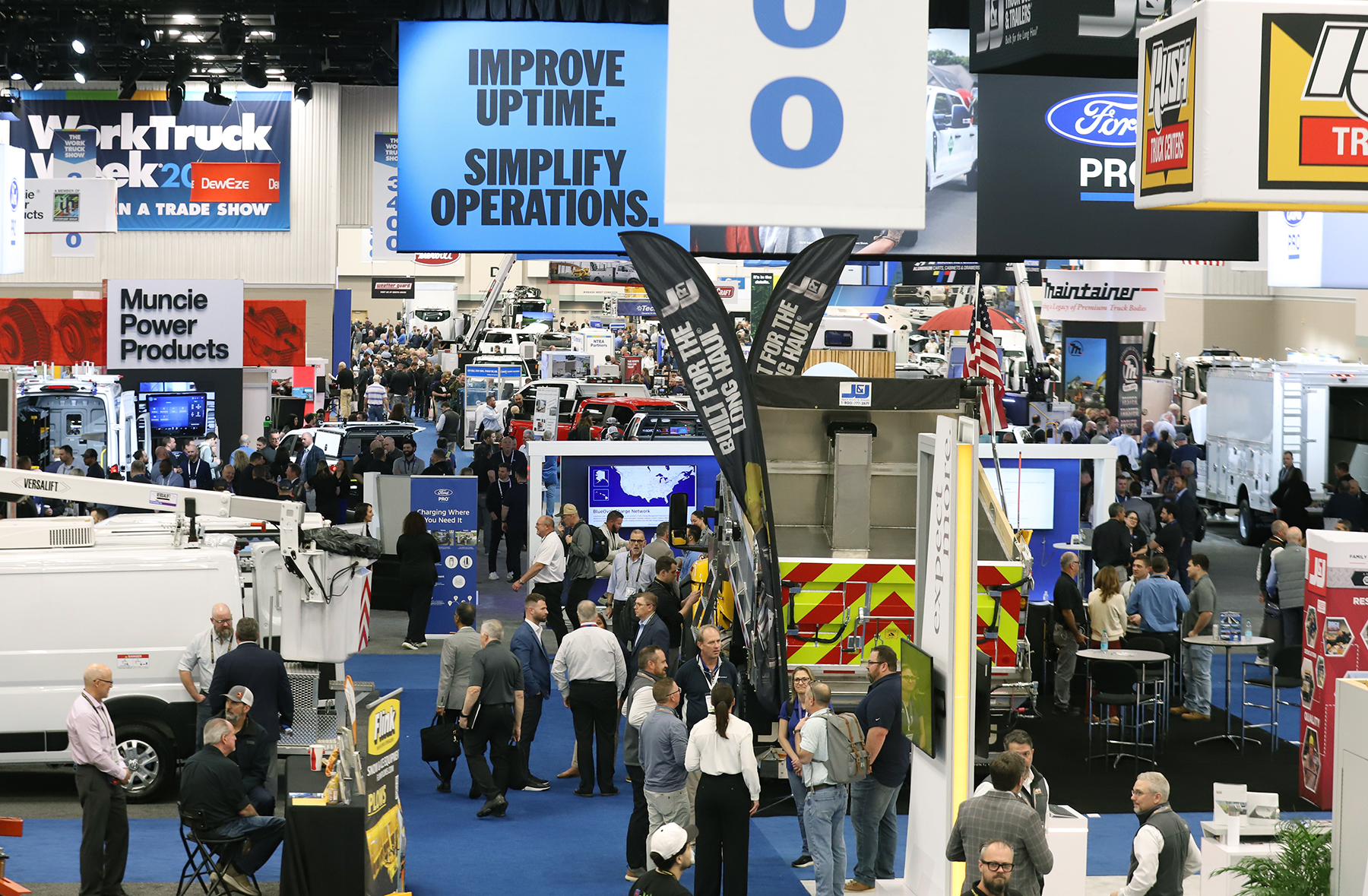
Archive photo: Work Truck Week 2026. Courtesy of NTEA. This image does not depict the 2027 event.
Original source: NTEA's Work Truck Week 2027 announcement.