Why Your Semi Pulls to One Side: A Safe Checklist
A semi that drifts or pulls can be signaling a tire, brake, alignment, steering, suspension, hub, load, trailer, or road-crown problem. This bilingual checklist helps drivers describe the symptom, make only safe visual checks, and reach the right truck service without guessing at the repair.
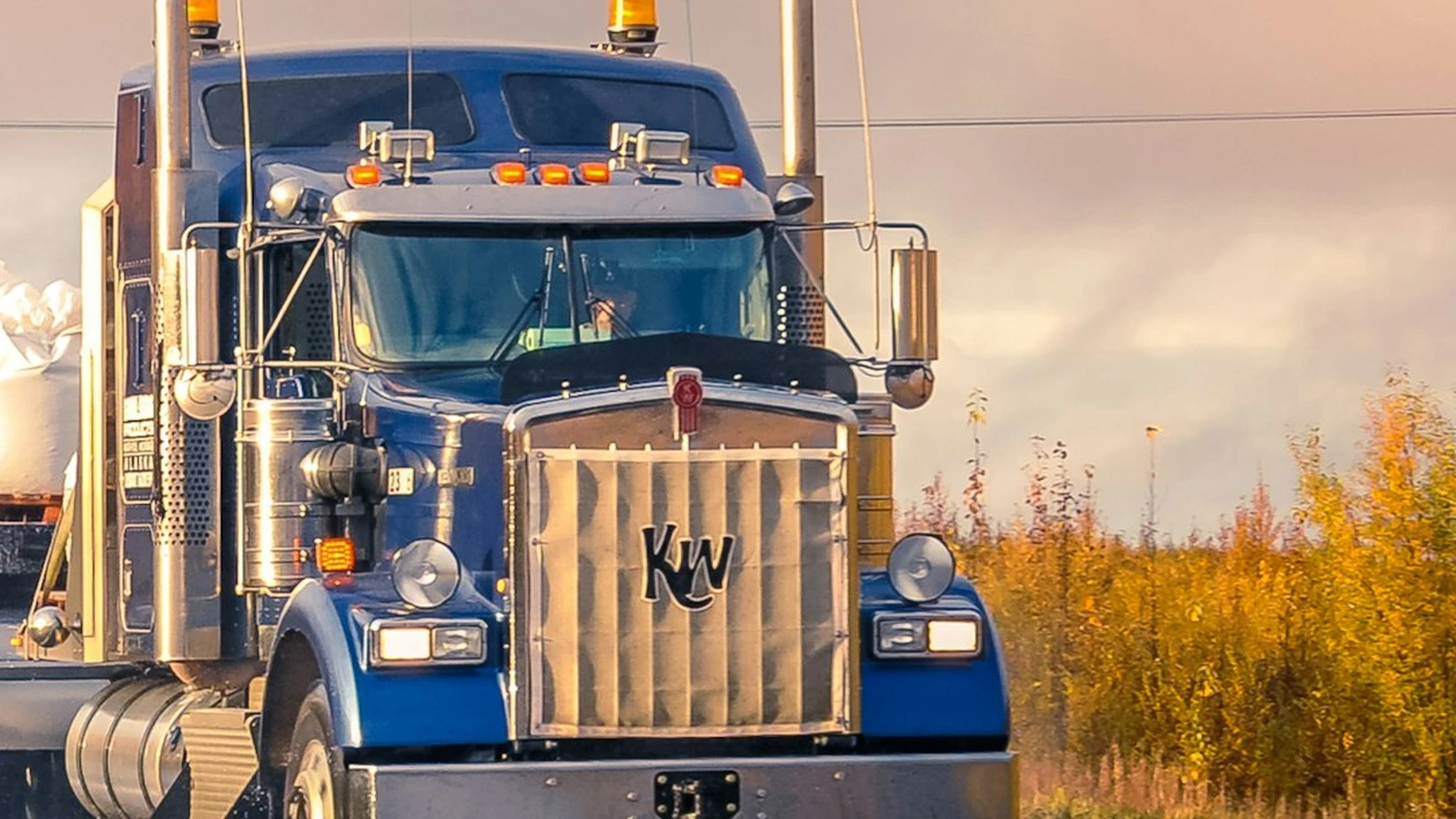
A Class 8 truck that will not track straight is not just tiring to drive. The pull may be caused by something as simple as unequal steer-tire pressure, or it may point to a dragging brake, loose steering component, damaged suspension part, axle-alignment problem, or trailer condition. The important first step is to describe exactly when the symptom appears instead of ordering an alignment by default.
This guide is a triage checklist, not a remote diagnosis. If the truck is difficult to control, a wheel or hub is unusually hot, you smell burning material, you see smoke, a tire is losing pressure, or a steering part appears damaged, stop in a safe place and arrange professional service. Do not crawl under a vehicle on the shoulder.
Start with the behavior, not the assumed repair
Write down whether the truck pulls all the time, only during braking, only under acceleration, after hitting a pothole, or only with one trailer. Note the road, speed range, load, weather, and whether the steering wheel is off-center. A road with a pronounced crown can make a truck drift even when the chassis is sound, so compare the behavior on a safe, level section before concluding that alignment is the cause.
A useful shop description sounds like this: “The tractor moves right on a level road between 45 and 60 mph, the steering wheel sits slightly left, and the symptom remains with a second trailer.” That information separates a repeatable tractor problem from a route, load, or trailer effect.
Eight areas a qualified truck shop may need to inspect
1. Steer-tire pressure and tire condition
Different pressures across the steer axle can change rolling resistance and steering feel. So can uneven tread depth, irregular wear, a damaged casing, mismatched tire construction, or a tire that was recently replaced on only one side. Check pressure only with an accurate gauge and use the vehicle or tire maker’s applicable specification; do not invent a universal pressure for every truck and load.
2. Brake drag or braking imbalance
If the pull appears mainly when the brake pedal is applied, tell the technician. A brake problem can create a different symptom from a steady highway drift. Heat, odor, smoke, noise, or a wheel that is much hotter than its mate is a reason to stop rather than continue testing. Never touch a suspected hot wheel, drum, rotor, or hub with a bare hand.
3. Front-end alignment
Toe, caster, camber, axle position, ride height, and rear-axle thrust can affect how the tractor tracks. A complete heavy-truck alignment may therefore involve more than setting the steer axle. The shop should inspect worn or loose parts first; aligning around damaged components may produce a printout without correcting the root cause.
4. Steering linkage and suspension
Wear or damage in tie-rod ends, drag links, steering-gear mounting, kingpins, spring hardware, bushings, shocks, torque rods, air springs, or related fasteners can create wander, pull, or an off-center wheel. Drivers can look for obvious damage from a safe position, but measuring play and confirming fastener condition belongs in a properly equipped shop.
5. Wheel, bearing, and hub condition
A loose or damaged wheel-end component can change steering behavior and can become a serious safety issue. Report new vibration, growling, clunking, lubricant leakage, heat, or metal debris. Do not remove a hub cap or adjust a bearing on the roadside unless you are trained, authorized, and working in a controlled service environment.
6. Load distribution and ride height
An uneven or shifted load can affect axle loading and handling. So can an air-suspension or leveling-valve issue that leaves the tractor or trailer sitting unevenly. Confirm that the load is secure and that the vehicle is not visibly leaning, but do not release restraints or enter an unsafe cargo area merely to investigate a steering complaint.
7. Trailer alignment or trailer-specific resistance
If the problem appears with one trailer but not another, record that fact. Trailer axle alignment, tire condition, brake drag, suspension, or load placement may be contributing. A tractor-only alignment will not correct a trailer that is pushing the combination sideways.
8. Road and wind conditions
Crosswind, grooved pavement, construction transitions, and road crown can imitate or amplify a mechanical pull. These conditions should be part of the driver report, not used to dismiss a symptom that repeats on different roads.
A five-minute safety check before calling a shop
- Park on firm, level ground away from traffic, apply the parking brake, and follow company securement procedures.
- Walk around the tractor and trailer without entering traffic or crawling underneath.
- Look for a visibly low tire, fresh damage, loose material, fluid or lubricant leakage, smoke, or a vehicle that sits unevenly.
- Compare steer-tire pressures with an accurate gauge only if conditions are safe and the tires are not hot or damaged.
- Record dashboard warnings, odometer, tractor and trailer numbers, load condition, recent repairs, pothole or curb impacts, and when the pull started.
Those observations give a technician a better starting point and reduce the temptation to replace parts by guesswork. They do not replace an inspection.
What to ask for at the shop
Ask the technician to reproduce the complaint when safe, inspect tires and wheel ends, check brakes, steering and suspension, verify ride height and axle relationships, and then measure alignment. Request the before-and-after readings and the list of any worn parts found. If a part must be repaired before alignment, ask the shop to explain why and to show the condition when practical.
Federal inspection rules provide minimum periodic-inspection items for brakes, steering, suspension, wheels, and tires. They do not identify the cause of a specific pull from a distance; that requires a vehicle-specific inspection. The practical lesson is simple: treat the pull as a system symptom, not automatically as a single adjustment.
Find the right truck service without guessing
If the combination is stable enough to move under your company’s safety procedures, search by the service actually needed—heavy-truck alignment, suspension, steering, brakes, tires, or mobile repair—and share the symptom notes before dispatch. Use The Truck Savers directory to compare nearby truck-service options. If control is compromised or a wheel-end warning is present, stop and request roadside assistance instead of driving to an appointment.
Original source
Electronic Code of Federal Regulations — 49 CFR Appendix G to Subchapter B of Chapter III.