Volvo VNX Sales Open Oct. 26: Define the Finished Truck
Volvo VNX sales open October 26. Describe the body, route and handoff before comparing finished-truck quotes.
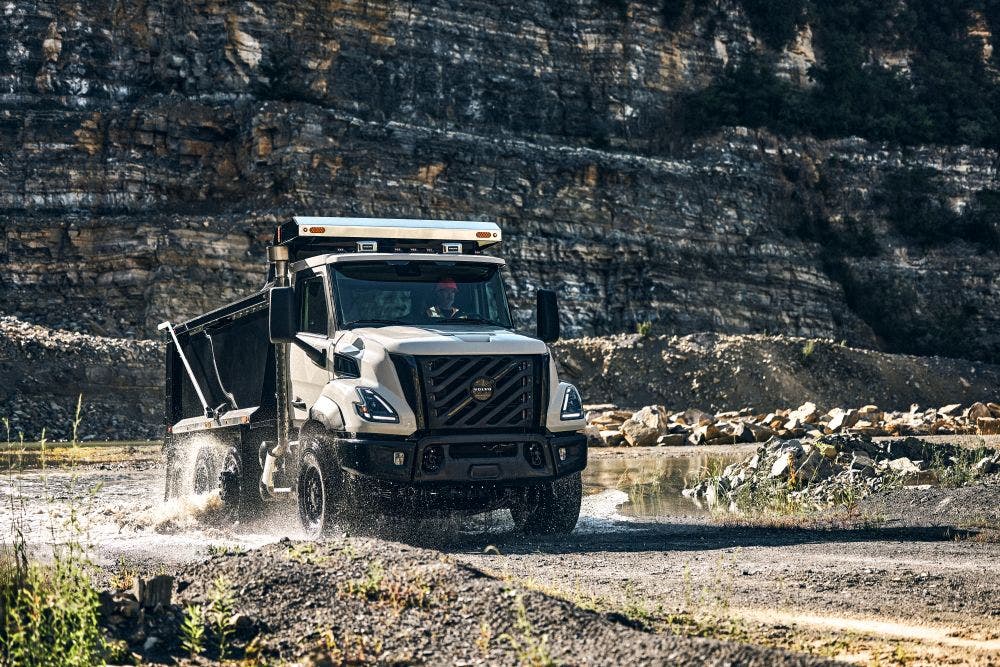
Official all-new VNX press photograph: Volvo Trucks North America, supplied with the announcement for editorial coverage, unmodified.
A new truck introduction gives a fleet a reason to investigate, not a completed purchasing decision. Volvo says sales of its all-new VNX will begin October 26, 2026. Before asking for a chassis quote, a vocational operator can make the conversation more useful by documenting the work the finished truck must perform.
The manufacturer presents the VNX for North American vocational and heavy-haul work, including construction and concrete applications. This article focuses on a buyer’s preparation for that sales opening. It is not a road test, a confirmed delivery offer or a calculation of operating savings. The application worksheet below is TSN editorial guidance.
Start with a complete job description
Describe an ordinary working day in a page, using your own records. Identify the load, body or trailer, loading point, unloading process and expected route. Include the parts of the assignment that do not appear in a mileage total: waiting, positioning and moving between work areas. Leave unknown values marked as unknown instead of filling them with a competitor’s brochure.
Imagine a small contractor replacing a truck used for several different jobs. The owner describes the heaviest assignment, while the driver describes the access problem that happens every morning. Both observations belong in the specification conversation. This is a hypothetical buying situation, not a claim about a VNX already working for a particular business.
Quote the finished vehicle, not just the chassis
Ask the dealer and the body or trailer supplier to describe their respective scopes in writing. Record the proposed configuration, the equipment included and the items still awaiting application review. A body shown in an announcement photograph does not establish the specification, price or delivery schedule for your own vehicle.
Use a simple responsibility table: request, responsible supplier, document needed and current status. If one supplier assumes the other is providing an item, resolve that assumption before calling the proposals equivalent. A comparison can look tidy while still omitting the equipment that makes the finished truck usable for its intended work.
Bring the route and access questions together
Map the actual operating locations you expect the truck to serve. Ask which details the supplying parties need to evaluate the application, and provide those details through their established review process. Do not substitute a general vocational label for approval of a specific load, body arrangement or operating location.
For a hypothetical mixed assignment, keep the highway portion and the worksite portion in the same file. Otherwise, one conversation may optimize for the trip while another considers only the unloading area. Document the unresolved questions and the person who will answer them. This worksheet does not certify route access, vehicle ratings or suitability.
Ask for a demonstration tied to your work
When discussing available technology, write the function you want demonstrated and the conditions under which the demonstration will occur. Ask which features are included in the quoted configuration and which are optional. Record the supplier’s explanation and the applicable documentation rather than assuming every feature mentioned in publicity is included.
A useful demonstration request starts with the task, not a superlative. For example, explain the positioning question your driver wants clarified and ask the supplier to propose an appropriate, authorized demonstration. Do not improvise an operating procedure from a video. Driver training and the instructions for the supplied equipment remain separate parts of the purchasing handoff.
Turn the delivery conversation into dated milestones
The opening of sales is not a delivery commitment for your fleet. Ask for a written sequence covering the quote, application review, order acceptance, body installation and final handover where those stages apply. Identify which dates are confirmed and which are estimates. Keep later revisions attached to the proposal they change.
Then compare that timeline with the job that needs the truck. A lower headline price does not answer whether the vehicle will be ready for a particular assignment. Use your own replacement plan and current supplier commitments; this article does not forecast production slots, dealer inventory or the completion time of a body installation.
Prepare the support handoff before placing the order
Ask who will handle the chassis, the installed equipment and any questions that involve both. Record the contact route, the documents to retain and the service information supplied with the finished vehicle. Keep the driver’s operating questions separate from the office’s warranty and scheduling questions so neither disappears in the purchase file.
- Write the actual job and the unresolved application questions.
- Compare equivalent finished-vehicle scopes.
- Identify included and optional equipment in writing.
- Request demonstrations through the supplier’s approved process.
- Record delivery milestones and the support handoff.
To research nearby businesses before arranging a visit, start with the Truck Savers Finder directory and confirm capabilities directly. A listing does not establish VNX inventory, manufacturer authorization or compatibility. The practical goal is a documented application conversation that connects the new model to your own work before money and a delivery date become commitments.
Original source: Volvo Trucks North America, all-new VNX announcement, consulted October 21, 2026. The purchasing worksheet and hypothetical scenarios are TSN editorial analysis.