The Return of Extreme Volatility to the Freight Market: Impact on Truckers and Owner-Operators
The COVID era has returned to the spot market in 2026. We analyze the impact on rates, the fight for broker transparency, and how to protect your truck and your back.
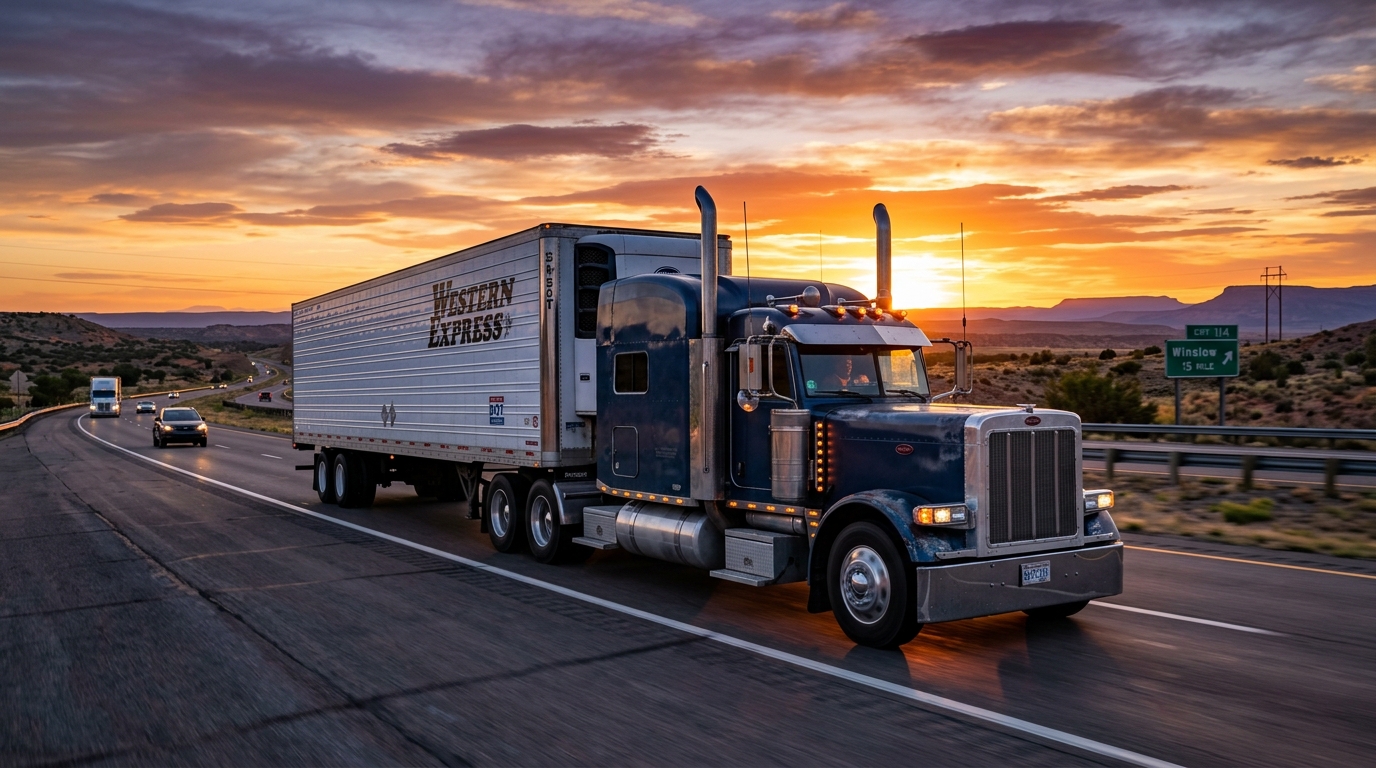
The freight transportation industry is witnessing a phenomenon many thought was left in the past: the return of COVID-era extremes. In 2026, the spot market has begun to show levels of volatility and tension reminiscent of the chaotic pandemic years, heavily shaking owner-operators and small fleets in both the United States and cross-border routes to Mexico.
Experts agree that freight cycles are shortening, and what once took years to adjust now happens in a matter of months. This return to extreme volatility affects not only rates but also has a direct impact on the mental, financial, and physical health of the trucker who operates on the front lines every day.
The Whiplash Effect on Spot and Contract Rates
After a prolonged period of stagnation, where capacity far exceeded available freight, spot rates have started to bounce violently. According to reports from DAT and FreightWaves, sudden demand in certain sectors—driven by e-commerce and shifts in global supply chains—has created "hot spots" where trucks are scarce. However, this does not happen uniformly. While the Midwest might experience a sudden spike of $0.50 cents per mile in a single week, outbound lanes from California or Florida may remain heavily depressed.
This "whiplash effect" means brokers are desperate for capacity on certain lanes, temporarily driving up rates, but ruthlessly punishing others. The main problem for the average owner-operator is extreme unpredictability. Planning the week's logistics has become a game of Russian roulette, and getting trapped in a "dead market" can cost thousands of dollars in empty miles (deadhead).
The Fight for Broker Transparency and New FMCSA Regulations
Amidst this historical volatility, the fight for broker transparency has intensified to unprecedented levels in 2026. The FMCSA has been under massive and constant pressure from independent trucker associations to enforce transparency rules (such as regulation 49 CFR 371.3) requiring brokers to disclose how much they are actually charging the end customer (shipper).
With current volatility, many truckers report and file complaints that brokers are retaining record profit margins (some up to 40%) while offering mere survival rates to the carriers who actually do the heavy lifting. This disparity is suffocating smaller companies.
Furthermore, new FMCSA technological audits on electronic logging devices (ELDs), hours of service (HOS), and maintenance are resulting in much more severe fines than in the past decade. A failed Level 1 inspection today doesn't just mean a ticket; it can result in a temporary business shutdown due to the skyrocketing cost of commercial insurance and emergency repairs. Fines for bald tires, out-of-adjustment brakes, or logbook violations can amount to thousands of dollars at a single weigh station stop.
The Devastating Blow of Operating Costs
Diesel remains the silent executioner on the highways. Although spot rates may show hopeful temporary spikes, fuel surcharges in the spot market almost never adjust as quickly as the price at the pump. When you combine expensive fuel, unstable rates, and a sustained 25% to 35% increase in the cost of heavy truck parts and mechanical labor, the trucker's profit margin simply evaporates.
The finances of a class 8 truck in 2026 are unforgiving. A simple tire change or an emissions system (DEF/DPF) repair requires weeks of operating savings. And under the current regulatory climate, failing to fix these issues in time guarantees an Out of Service (OOS) violation.
How to Protect Your Business and Your Health in 2026
Surviving this new freight "roller coaster" requires working much smarter and more strategically. It's no longer enough to just "drive hard."
- Know your numbers perfectly: Never start the engine without knowing your exact operating cost per mile, including depreciation and salary.
- Demand total transparency: Always ask brokers for rate breakdowns and don't be afraid to negotiate hard in hot markets.
- Strict preventive maintenance: Keep your equipment pristine. FMCSA fines are unforgiving, and downtime is your worst enemy.
But taking care of the truck's mechanics and the numbers is only half the job. What good is winning the financial game if you end up with a destroyed back and ruined health?
Protect Your Back and Your Wallet with The Truck Savers!
To combat high operating costs and extreme road fatigue, you need to invest in the best technology and the best physical and mechanical care. Installing a Go Green APU is more critical today than ever: you will stop burning your profits on expensive diesel while you sleep or wait at loading docks. An APU will save you thousands of dollars a year in fuel and greatly extend the lifespan of your truck's main engine by reducing DPF regenerations.
Moreover, after weeks of dealing with brutal market volatility, heavy traffic, and constant road stress, both your truck and your body need urgent maintenance. Bring your semi-truck to our shop for "La Bailada" (our advanced road simulator) and ensure your suspension and steering are one hundred percent, avoiding costly DOT surprises. And while we take care of the integrity of your heavy equipment, take advantage of "La Quiropráctica" at our facilities to align that human chassis, relieve lower back pain, and take care of your back's health, which is your main working tool.
Don't let crazy rates and hard roads break you; take control and visit The Truck Savers today!