Used Pickup: Pair Title History With Inspection
A used pickup needs more than a title report. Match its identity, review the records and arrange an independent inspection.
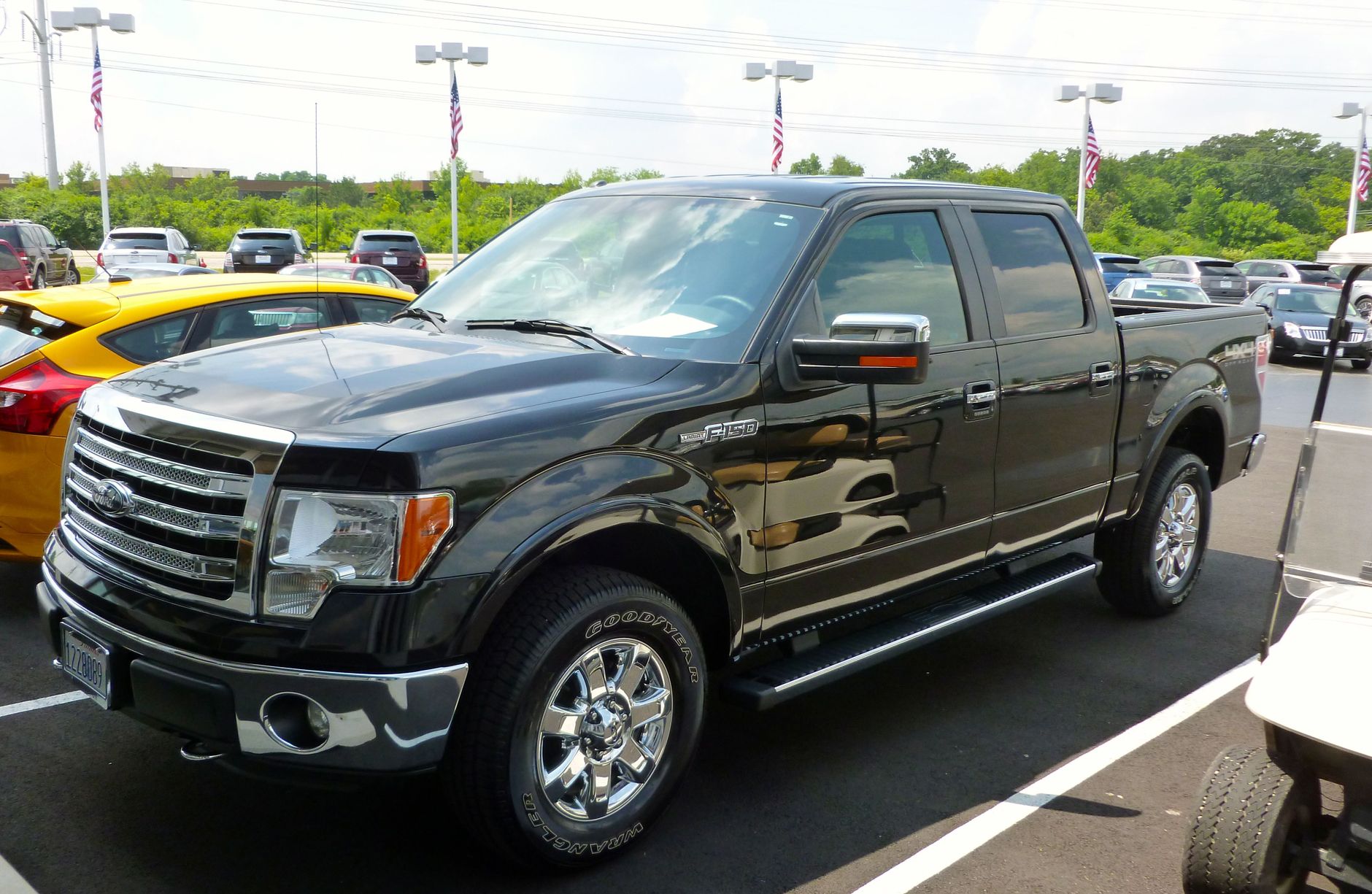
Before buying a used pickup for the business, treat title history and physical inspection as separate parts of the decision. A report can help you review recorded history; an inspector evaluates the actual vehicle presented for sale. The Ford F-150 pictured here illustrates the kind of pickup a small fleet might consider. It is not a vehicle offered by Truck Savers News, and its title, condition and suitability are not established by the photograph.
Know what the report is designed to show
The Department of Justice's NMVTIS explanation identifies five indicators: current state of title and last title date, brand history, odometer reading, total-loss history and salvage history. Its consumer guidance encourages an independent vehicle inspection, an NMVTIS report and other available information before a purchase. A history report and an inspection answer different questions. Neither an empty field nor an attractive sales photograph should replace the rest of the buyer's review.
Start by reading the report's scope and the provider's explanations. Keep its issue date with the file and identify the vehicle it describes. A label such as title report does not tell you everything that was checked. Where information needs clarification, retain the question for the responsible provider or authority. This workflow does not determine title-transfer eligibility, lending approval or whether a particular recorded designation permits the intended use.
Keep one identity across the buying file
Organize the vehicle identification supplied for the candidate pickup, the seller's documents, the report and the inspection appointment in one file. Ask the relevant professional to clarify any mismatch before using those records together. A report for one pickup cannot support another merely because both are the same model or color. The editorial task here is to make the identity check visible instead of assuming it happened somewhere earlier.
Record the actual configuration described by the seller and the documents available to support it. Keep equipment details that matter to the proposed job as open questions until verified through suitable records and review. This article does not certify towing capacity, payload, mechanical compatibility or a model year's specifications. A familiar F-150 badge helps identify a product family; it does not establish the operating limits of the individual vehicle.
Give the inspection a defined purpose
Arrange an independent inspection with a qualified provider appropriate to the pickup and the proposed purchase. Explain that the purpose is to assess the vehicle being considered, rather than merely to confirm that its documents exist. Ask the provider to explain what the inspection includes and what falls outside its scope. That conversation helps the buyer understand the resulting findings and the questions still needing specialist attention.
Preserve the actual findings, the vehicle identity and the inspection date. Keep a seller's statement alongside the inspector's observation without rewriting one as the other. A description such as recently serviced should be supported by the relevant records when those records matter to the purchase. The guide does not prescribe a remote mechanical test or authorize a repair from an image. Physical condition needs the appropriate examination.
Use a comparison sheet for two candidates
Suppose a small business is considering two used pickups. One seller supplies organized documents and agrees to an independent review. The other provides photos but leaves several questions unanswered. A comparison sheet can show which documents are available, which checks were completed and which responses remain pending. This is a hypothetical preparation example, not a claim that either seller is dishonest or that either vehicle should be purchased.
Keep the proposed role of the pickup attached to that sheet. A vehicle intended for local errands and a vehicle intended to support a trailer assignment require a meaningful suitability discussion, not just a comparison of asking prices. Ask the appropriate reviewer to establish the relevant limits and condition. Avoid converting a general report summary into an answer about every possible job the business might assign after purchase.
Make an unresolved question visible before payment
Assign someone to obtain the missing answer and name the source needed to settle it. If the report provider must explain a field, record that task. If a title authority must clarify a document, keep that separate from the mechanical inspection. If the provider recommends further examination, preserve the recommendation as pending rather than treating the initial visit as a complete clearance of every component.
Before the business makes its purchasing decision, review the file as a whole. Does it identify the exact pickup? Are the history records and inspection findings available? Have material discrepancies been explained? Can the responsible buyer tell what was verified and what remains uncertain? The useful result is a documented decision on that vehicle, not a promise that any single report guarantees a good purchase.
- Identify the exact candidate pickup and supporting records.
- Read the history report's indicators and stated scope.
- Keep the report date and provider explanation available.
- Arrange and preserve an independent inspection.
- Verify suitability for the intended work separately.
- Assign unanswered questions before completing the decision.
Continue with practical fleet decision guides at Truck Savers News.
Illustrative Ford F-150 photograph; not a sales listing, title report or certification of this vehicle. Charles Criscuolo / Pexels; Pexels License.
Original source: U.S. Department of Justice — Understanding an NMVTIS Report. Reviewed October 13, 2026.