US targets Mexican cartel’s cross-border fuel smuggling operation
U.S. sanctions and a FinCEN alert target a CJNG-linked fuel network that allegedly used shell companies, false customs records and transportation channels across the U.S.-Mexico border.
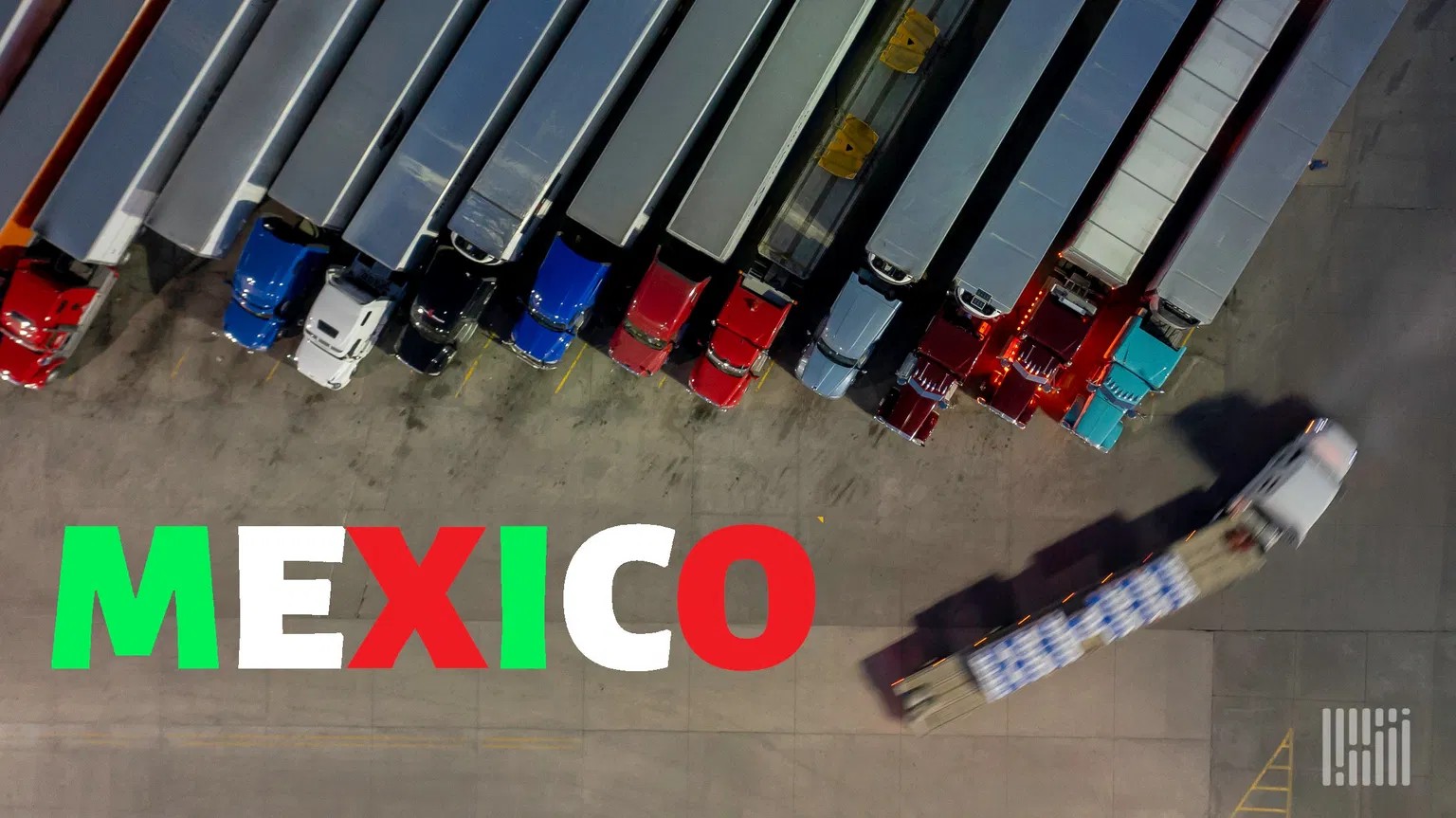
U.S. authorities have widened their pressure on the Jalisco New Generation Cartel’s fuel business, sanctioning two Mexican nationals and nine companies while warning financial institutions and commercial firms about indicators of hydrocarbon smuggling and Mexican tax evasion. The measures combine asset-blocking action by the Office of Foreign Assets Control with a FinCEN alert, making the case operationally relevant to fuel sellers, tanker fleets, rail operators, customs brokers, banks and cross-border logistics providers—not only to law enforcement.
Three routes for illicit fuel
Officials describe three related schemes. Criminal networks steal crude oil or refined products from Mexico’s state oil company, Pemex. Stolen Mexican crude can then enter the United States mislabeled as waste oil. In the opposite direction, gasoline, diesel and other refined fuels purchased in the United States can move into Mexico under false customs descriptions designed to evade the country’s import duties and IEPS excise tax. Tank trucks, railcars and vessels can all form part of the physical chain.
Treasury identified Oscar Guillermo Juraidini Silva as an alleged financial facilitator who used shell companies, false customs documentation and intentionally misclassified U.S. fuel imports. Officials said the activity generated tens of millions of dollars annually for the cartel. J. Refugio Ruiz Villagomez was also designated; authorities linked him to Jomadi Logistics & Cargo and Ahavat Logistics Solution and alleged that he moved fuel without required permits, paid cartels controlling ports of entry and used the U.S. financial system for related transactions.
Scale and geographic exposure
A U.S. interagency assessment characterized fuel theft as the second-most profitable illicit revenue source for Mexico-based foreign terrorist organizations after narcotics and their largest non-drug revenue stream. It estimated approximately $9 billion in lost Mexican tax revenue in 2024 and said up to one-third of fuel sold in Mexico could be illicitly sourced or adulterated. Those are estimates rather than audited market totals, but they illustrate why fuel movements now receive scrutiny comparable to other high-risk cross-border trades.
FinCEN received more than 160 suspicious activity reports in the reviewed period, identifying over $7 billion in suspicious financial activity, mainly in U.S.-Mexico transactions. Texas and Florida produced the most reports. Texas activity was concentrated around Brownsville, Mission, Eagle Pass and McAllen, and many subjects had links to transportation or oil and gas. A lawful carrier serving those markets can therefore encounter enhanced bank questions, customer reviews or payment delays even without any allegation against the carrier itself.
Specific controls for freight operators
Fuel carriers and brokers should verify beneficial ownership of customers, sellers, consignees and payment intermediaries rather than accepting a state registration or trade name as sufficient. Screen all parties against current sanctions lists before onboarding and again before dispatch or payment. Compare the commodity description, tariff classification, density, volume, invoice value, tax treatment and required permits with the bill of lading and customs entry. “Waste oil” deserves escalation when its price, origin, assay or routing resembles crude.
Dispatch teams should treat last-minute consignee changes, unexplained border diversions, cash-funded loads, third-party payments, newly formed trading companies and requests to split invoices as red flags. Tanker seals, meter tickets, terminal receipts, GPS history and proof of delivery should be retained as one auditable chain. Rail and maritime operators need equivalent controls for shipper-owned equipment and transloading sites. No single anomaly proves criminal activity, so staff should escalate through legal and compliance channels rather than confronting a driver or customer.
Finally, companies should map direct and indirect exposure to the designated entities, freeze or reject transactions where legally required, and document the decision. Contracts should permit sanctions-based cancellation and disclosure to competent authorities. Training must reach sales, dispatch, billing and accounts payable because the physical load and the financial transaction may show different warning signs. The enforcement action raises the cost of weak customer diligence throughout the U.S.-Mexico fuel corridor.
Original source(s)
FreightWaves; U.S. Department of the Treasury enforcement release.