Unpaid Freight: Separate the Bond Check From the Claim
An unpaid freight bill needs separate records. Check the broker filing, claim acknowledgment and actual payment.
An unpaid freight invoice creates two different questions: what happened to this payment, and what does the broker's current financial-responsibility record show? Keeping those questions separate helps an owner-operator assemble a useful file. A registration or bond entry is information to examine. It does not establish that a particular invoice will be paid, that money is reserved for your load or that a dispute has been decided.
FMCSA's current broker financial-responsibility guidance explains the distinction between oversight of required financial security and resolution of individual commercial claims. Its June 26, 2026 FAQ addresses notification and compliance issues. This is an evergreen records guide based on those published materials, not a new October rule, a finding about a named broker or advice about the outcome of a particular claim.
Check the entity before discussing the balance
Start with the legal name and identifying number on the agreement for the load. Compare them with the entity in the official record and the information used on the invoice. Save the search date and enough identifying information to show which business you reviewed. Similar names, a familiar logo or an email signature should not silently substitute for the contracting entity.
Build the load file alongside that record. Keep the rate confirmation, shipment identifiers, delivery documents, invoice and payment correspondence together. Mark amounts as agreed, invoiced, paid or disputed rather than combining them into one unexplained balance. These are practical filing suggestions; the documents needed for a specific claim depend on the applicable agreement and process.
A financial-security filing is not a payment receipt
FMCSA's overview describes a $75,000 financial-security requirement and a suspension process when available security falls below that level and is not replenished within seven calendar days. That regulatory mechanism should not be presented as an automatic payment timetable for an individual carrier. A bond or trust filing also does not mean that the full amount is available to satisfy one invoice.
The agency's FAQ says it does not act as the intermediary deciding the merits of individual payment and financial-security disputes. It separately describes compliance matters the agency may review. A complaint about possible noncompliance, a claim submitted to a financial-security provider and ordinary invoice follow-up therefore should not be treated as interchangeable receipts for the same process.
Keep three records with three clear labels
- The load and invoice file. Identify the contracting party, shipment, agreed terms and documents supporting the amount requested. Preserve original correspondence as well as any corrected invoice so the sequence remains understandable.
- The public-record check. Save when the search was made, the entity identifiers and the filing or authority information displayed. A later search may show a different status; keep the earlier observation rather than rewriting it.
- The claim or inquiry record. If you contact the relevant provider or agency, record the recipient, submission date, reference number and requested follow-up. A message sent is different from an acknowledgment, and an acknowledgment is different from a decision.
Those labels help prevent an office shortcut: recording “submitted” without specifying what was submitted or where. A dispatcher or bookkeeper returning to the matter should be able to locate the actual invoice, the public search and any separate response without guessing which attachment belongs to which action.
Prepare the next conversation with the right questions
Ask the party handling the matter to identify the specific process, required supporting documents and applicable time limits. Do not assume that a period discussed in a general article begins on your invoice date. If the case involves financial failure or cancellation, verify the relevant official notice and obtain advice about your own circumstances before relying on a general explanation.
For a small operation, a useful weekly review is a list of open invoices showing the last documented action and the next person responsible. Keep collection activity separate from revenue or tax treatment in the accounting records. This article does not determine when income is recognized, establish a legal claim or replace advice from a qualified professional reviewing the actual documents.
Before accepting another load or following up on an unpaid one: open FMCSA's public Licensing and Insurance system and match the entity to your paperwork. Use the current record as one documented check, then keep any claim acknowledgment and payment receipt as separate evidence.
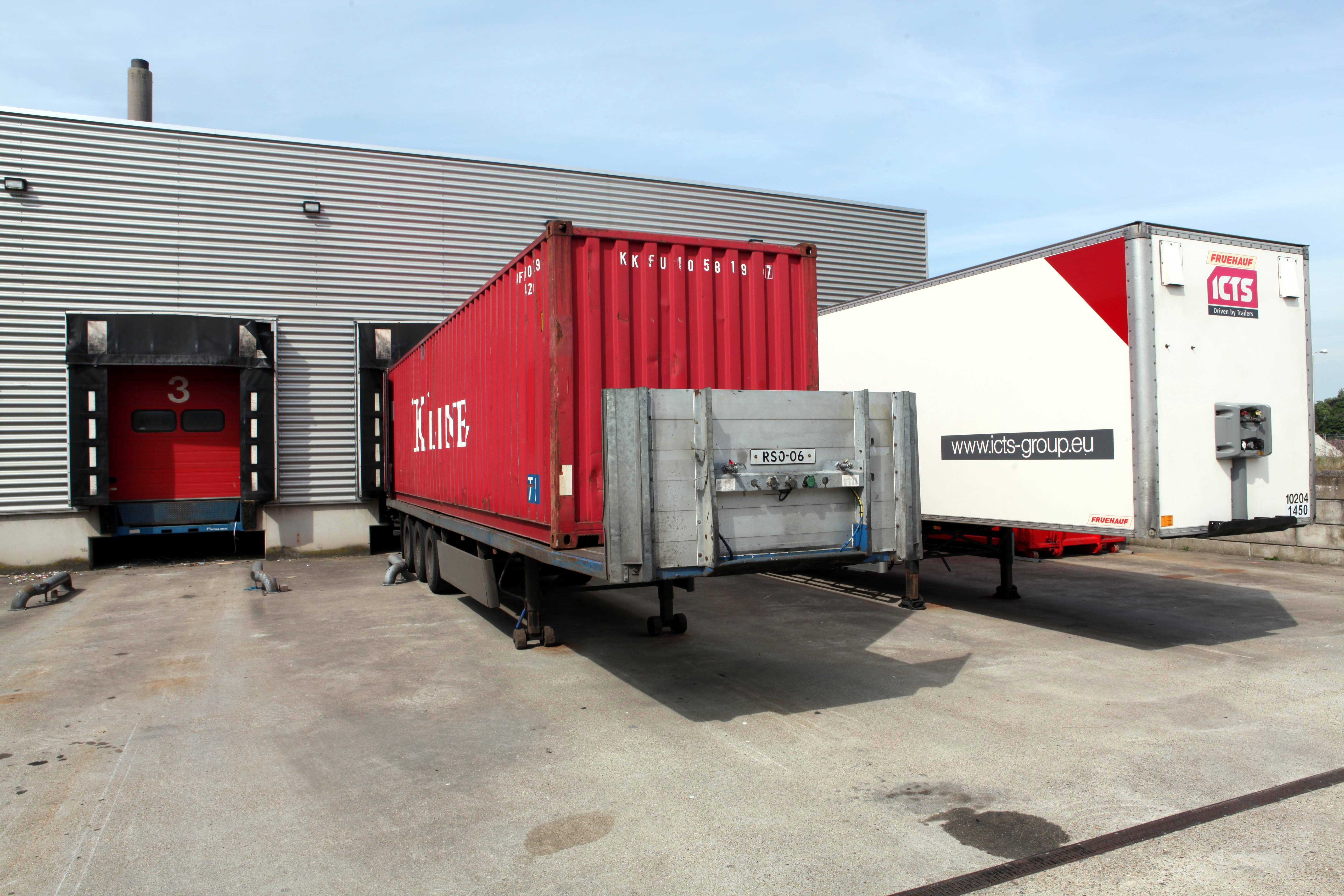
Photo credit: Illustrative archive photograph: freight trailers at a loading dock, May 13, 2011. Joost J. Bakker, CC BY 2.0, via Wikimedia Commons; original reproduced without alteration. The businesses and equipment pictured are not identified as parties to a payment dispute. Wikimedia Commons · CC BY 2.0.

Original source
FMCSA: Broker and Freight Forwarder Financial Responsibility FAQ, June 26, 2026; FMCSA: rule overview.