Truck Tire Repair: Ask What the Inspection Found
Truck tire repair starts with an inspection. Ask the shop what it found before approving a puncture repair.
A nail in a truck tire creates two different questions: where is the air escaping, and is the casing suitable for repair? A quick photograph can help describe the problem to a service provider, but it cannot settle the second question. For an owner-operator, the useful purchase is an evaluated repair decision, with enough information to understand why the shop recommends repairing, referring or replacing the tire.
Buy an assessment before buying a promise
Roadmaster's truck-tire guidance calls for trained personnel, removal from the wheel and a thorough internal examination. It describes a tread puncture limit of 3/8 inch and requires both a liner patch and material that fills the opening. A tube is not a substitute for repair. Those points are a basis for asking what service includes, not instructions for carrying out the work yourself.
Start the call with the truck or trailer number, the affected wheel position and what the driver actually observed. Say whether pressure was lost, whether any temporary product was used and what happened afterward. If the operating history is uncertain, say that explicitly. A confident guess about how long the tire ran low can give the technician a false starting point.
The size of the hole is not the whole decision
USTMA's commercial-tire manual addresses Load Range F and higher. Its puncture guidance excludes shoulder or belt-edge damage from ordinary patch-and-plug treatment, including damage that angles into those areas. More specialized evaluation may be possible at a full-service repair facility. Manufacturer restrictions also matter. A small visible opening alone therefore does not prove that a tire qualifies for an ordinary repair.
Ask the technician to identify the finding that controls the recommendation. Useful answers describe the inspected tire and the applicable repair policy. “It looks small” leaves too much unresolved. If the shop recommends replacement, ask whether the reason is the location, internal condition, prior work or another documented limit. This is a request for a clear explanation, not pressure to repair a casing the shop has rejected.
Make competing estimates comparable
A low advertised repair price and a complete service estimate may cover different tasks. TSN recommends asking each provider what the quotation includes before comparing totals. Separate the initial assessment from any proposed work, and ask what happens if the inspection shows that the planned repair is unsuitable. Agree on the authorization process before the technician proceeds.
For example, a dispatcher might receive one estimate described only as “plug tire” and another that describes assessment and a repair subject to findings. Those labels do not establish that the offers are equivalent. Ask for the scope in plain language. Keep the quoted amount, what it covers and any conditional charges together so the person approving payment sees the same information as the driver.
Request a short service record
A useful record identifies the unit and wheel position, the tire's identifying information, the complaint, the inspection finding and the work actually completed. Add the date and service provider. Photographs supplied by the technician can help explain a finding, but the invoice should still describe the decision in words. This suggested record is not a new regulatory form.
Keep a referral distinct from a completed repair. If the first facility sends the casing elsewhere for evaluation, record who has it and which decision remains open. Similarly, a purchased replacement does not establish what happened to the original casing. Ask whether it will be returned, retained or disposed of, and keep that agreement with the service paperwork.
Close the handoff before the next assignment
Before dispatch treats the task as finished, confirm the service provider's final disposition and any follow-up instructions. Do not convert a generic internet limit or a photo into a release decision for a specific tire. If the technician has left a question unresolved, keep that question visible to the person responsible for assigning the equipment.
Finally, compare the completed invoice with the authorized scope. Record changes and the explanation, rather than relying on a driver to reconstruct a roadside conversation days later. The goal is straightforward: the next person should know which tire was assessed, what was found and why the chosen action followed. That makes maintenance history useful when the same unit returns for service.
Follow Truck Savers News for practical truck-maintenance explainers.
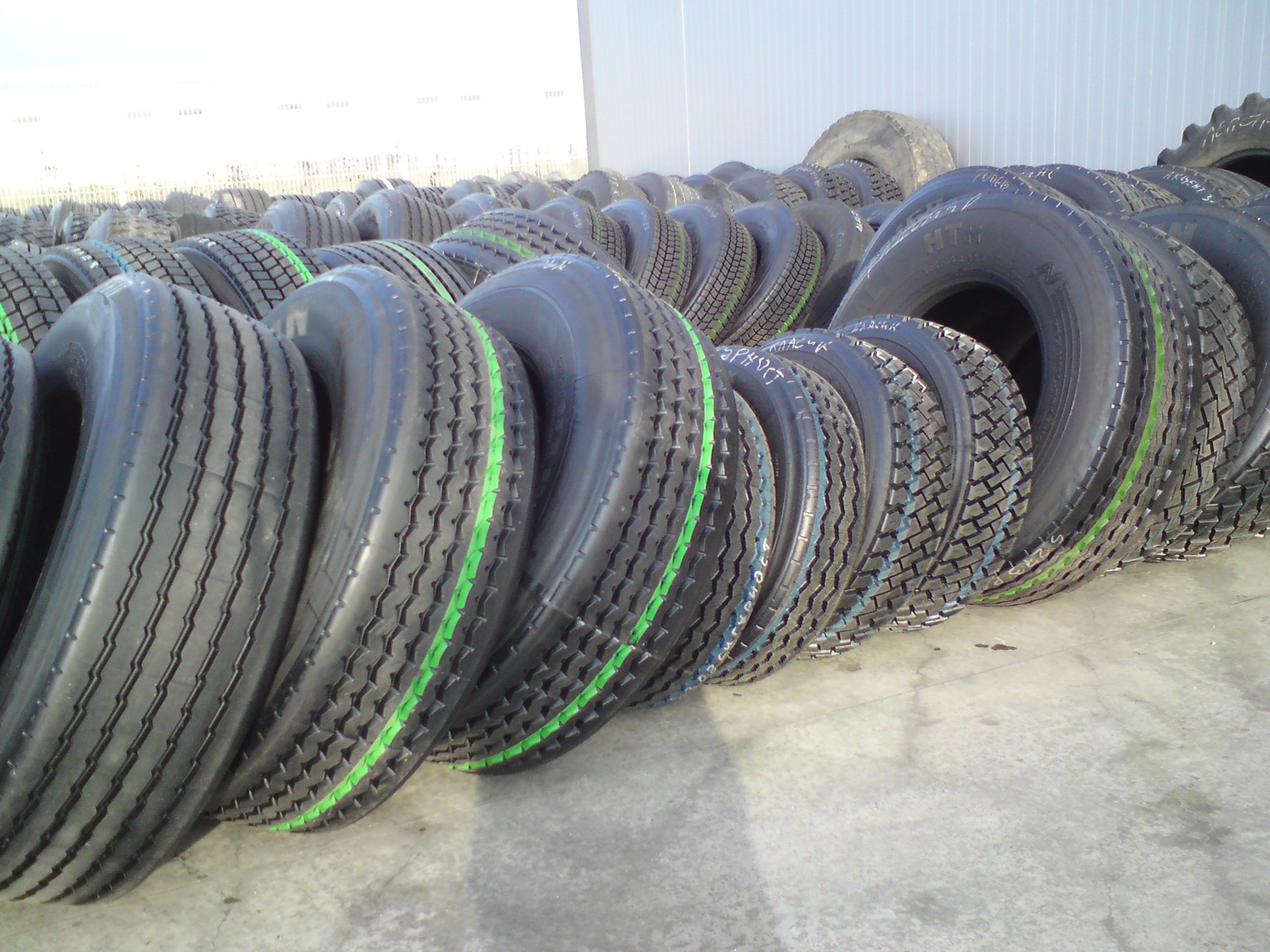
Illustrative archive photo: Biso, 2009, Wikimedia Commons, CC BY 3.0; resized. It shows tires, not a diagnosed puncture or an approved repair.

Original sources: Roadmaster tire safety and USTMA commercial truck and bus tire manual, puncture-repair section.