Truck Tire Quotes: Record More Than the Size
A tire size is only part of the quote. Record the product and service description before comparing replacement offers.
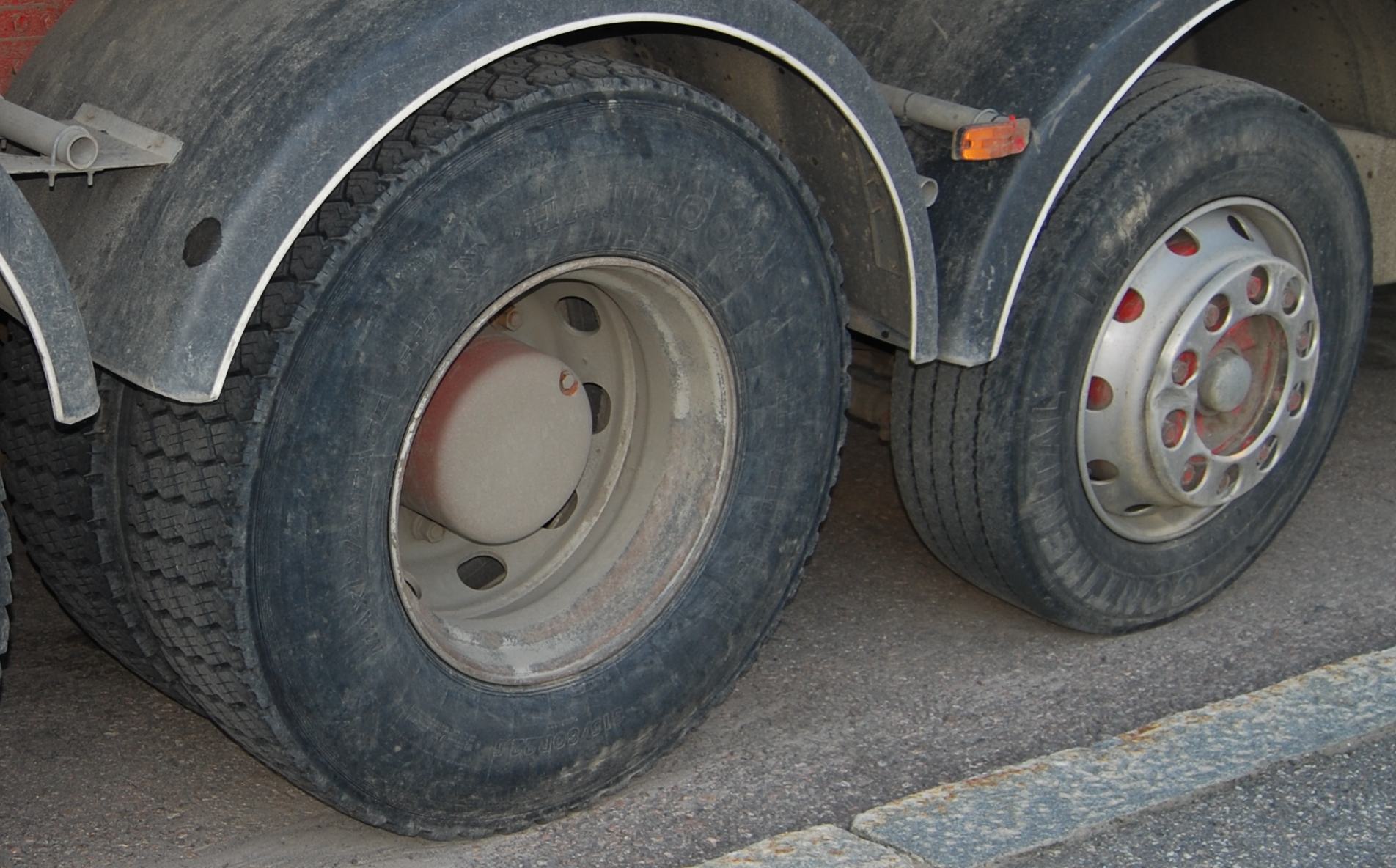
A tire quotation that lists only the size leaves the fleet with questions still to answer. Before comparing prices, ask for enough information to identify the proposed product and its intended service. The tire's sidewall is a starting point for that conversation, while the manufacturer's current data guide helps interpret what the markings mean. Reading the markings does not, by itself, establish that a replacement fits a particular truck, wheel or operation.
Separate the identifiers before comparing offers
Continental's commercial-tire sidewall guide distinguishes the product name, size, load range, application and service description. It identifies load index and speed symbol as parts of that service description. Those are different entries, so a note that records only “same size” is incomplete for a purchasing comparison. The useful office task is to preserve each field separately instead of combining several markings into one unexplained string in a message.
The company's 2026 truck-tire data guide illustrates a service description as 144/141 L. In that example, the two indices refer to single and dual load capacities, and the letter is the speed symbol. This article is explaining the example's structure, not recommending that specification. No load or pressure for your vehicle can be inferred from the illustrative photograph, and the photo does not show the Continental example being discussed.
Make a quotation worksheet that can be checked
Create columns for manufacturer, full product name, size, service description, proposed axle position and intended operation. Add the seller's product reference and the date of the data sheet used. This is an editorial purchasing suggestion, not a manufacturer's required form. It gives the person reviewing two offers somewhere to record differences that would disappear if both were reduced to a size and a price.
Ask the supplier to clarify an omitted field before treating two offers as equivalent. A catalog screenshot can help identify a product, but it should be clear which row and version the quotation uses. Keep the response with the quote rather than relying on a later recollection of a telephone conversation. If a product is substituted before delivery, repeat the comparison for the replacement instead of carrying the original confirmation forward automatically.
Keep application and vehicle suitability in the discussion
A sidewall can identify a tire without answering every question about how it will be used. Describe the work to the qualified tire professional who checks the application: which unit, which wheel position and what operation the purchase is meant to support. Do not treat this list as a fitting procedure. It is a way to give the reviewer a specific question instead of asking whether a tire is simply “good for trucks.”
Continental's data guide explicitly directs users to its representative for confirmation of tire-and-wheel suitability for the intended service. Preserve that limitation when using its tables. Copying a code accurately is useful, but it is not the same as approval of an assembly. If the reviewer needs additional vehicle or operating information, keep the order pending until that information has been provided and the question is resolved.
Use an example without inventing a savings claim
Consider a hypothetical two-truck operator receiving competing quotes. Both show the same nominal size, but one omits the service description and product reference. The immediate action is to request the missing information, not announce that the cheaper offer will perform identically. This example makes no claim about a real supplier, the quality of either tire or how much money the operator would save. It shows why an incomplete comparison should remain incomplete.
A useful follow-up message asks the seller to identify the exact proposed tire and confirm the intended application with the relevant documentation. Keep the product comparison separate from commercial terms such as delivery, taxes or service charges. That way a complete invoice does not conceal an unanswered technical question, and a technical confirmation is not mistaken for an all-inclusive price agreement.
Close the record before the receiving handoff
When the delivery arrives, the purchase record should identify what was ordered and what the supplier confirmed. Ask the appropriate trained person to resolve any discrepancy between that record and the delivered product. This guide does not instruct readers to mount, demount, inflate, regroove or repair tires. Recording the sidewall is an information task; work on the assembly belongs to the applicable procedures and properly qualified personnel.
For a small fleet, the benefit is a clearer question and an answer that can be retrieved later. Retain the current product reference, the reviewed application and the unresolved items, if any. For the service side of that handoff, continue with our guide to documented wheel-service training below.
Photo / Foto: Miraceti, 2008-05-10. CC BY-SA 3.0. Illustrative archive: Sisu E12 470 wheels; unchanged. Not a fitting or pressure recommendation.

Original source: Continental, commercial tire sidewall guide; Continental, 2026 Truck Tire Data Guide, Service Descriptions.