Truck Tire PSI: Start With Load, Not a Guess
A pressure number needs a load and tire specification. Build a clear maintenance record before treating one PSI setting as right for every axle.
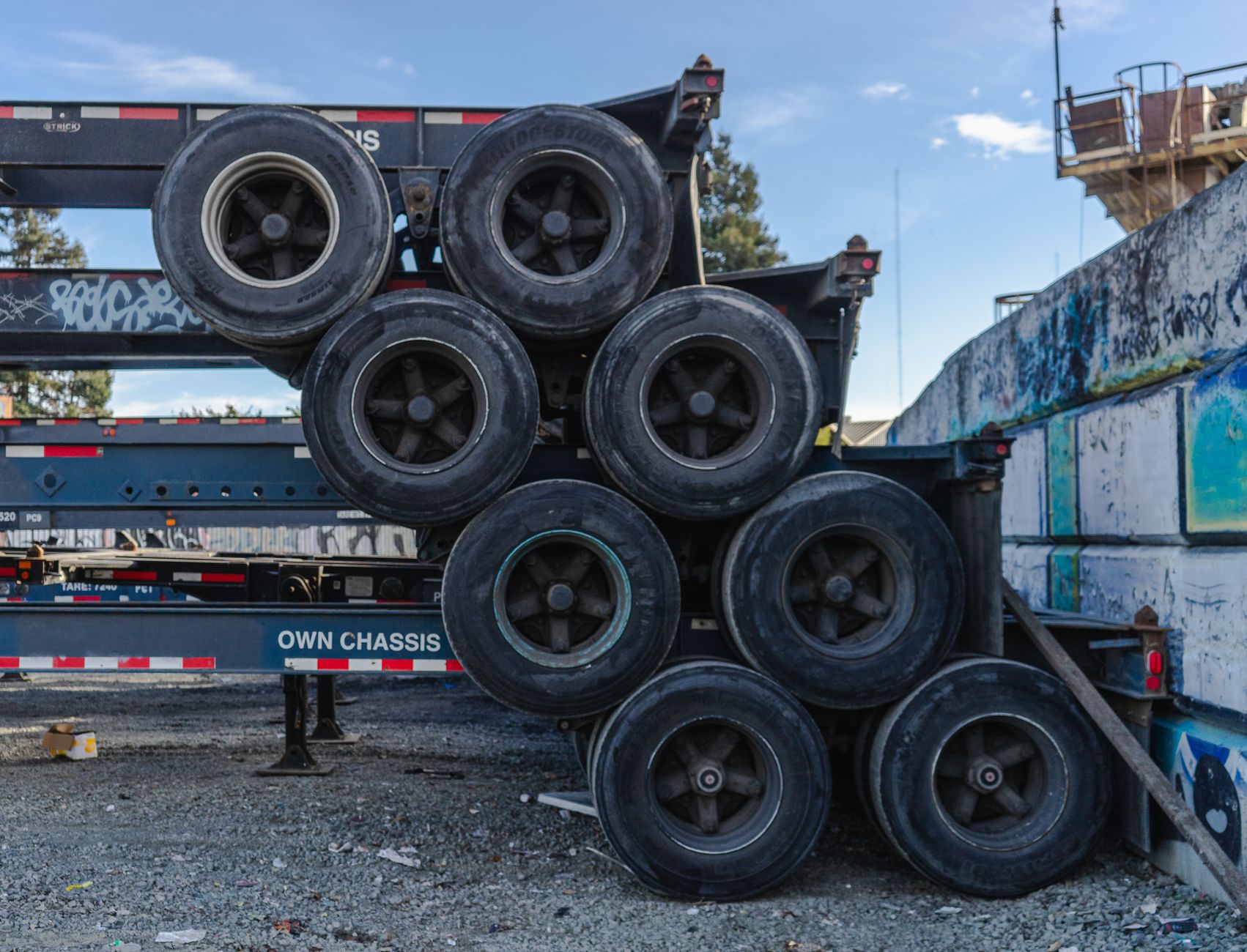
Illustrative file photo: Robert So/Pexels 29348624, used under the Pexels License. No measured pressure or tire defect is inferred from the image.
One pressure number copied across a fleet can hide a missing decision: what load and tire configuration was that number intended to serve? Before a maintenance instruction becomes routine, make its supporting information easy to identify.
The starting point is the application
Michelin's commercial-tire guidance bases cold inflation on actual load, tire size, single or dual configuration and operating conditions. Its maximum sidewall marking is not automatically the operating setting for every truck. The applicable manufacturer's load-and-inflation guidance belongs in the decision.
Prepare the information, not a universal PSI
Bring the loaded vehicle information and tire identification to the commercial tire professional responsible for the specification. This is an information checklist, not a remote inflation recommendation. It does not replace the vehicle, wheel or tire manufacturer's restrictions.
- Identify the vehicle and the axle being discussed.
- Keep a representative loaded-weight record with its date.
- Record the installed tire size and identifying markings.
- State whether the position is single or dual.
- Describe the route and operating conditions that matter.
- Ask which current load-and-inflation document supports the written specification.
Make the handoff readable
A useful work order can separate three things: the established specification, the measured reading and the action the qualified professional authorized. Put them in separate fields. A reading without a specification is difficult to evaluate; a specification without an identified vehicle is easy to misapply.
Our suggested administrative record also includes who made the specification, where its supporting document is stored and what changed since the last review. These are recordkeeping prompts, not a manufacturer-prescribed form. If the loading pattern or tires change, flag that change for review instead of copying an older instruction without checking its scope.
Check consistently; do not diagnose by appearance
Michelin calls for cold checks with a suitable calibrated gauge and a consistent maintenance process. Repeated pressure loss calls for investigation rather than endless topping off. A photo of a tire cannot establish its measured pressure or authorize a repair.
The useful next step is a documented review with the tire professional, not an invented target. This article promises no universal PSI, inspection interval, fuel-saving percentage or guarantee that a casing is fit for service. Keep prevention specific to the equipment and the work.
Keep the specification with the truck
Looking for a business along your route? Open the Truck Savers Finder and verify the location and service directly before making a detour. A directory listing is not a technical approval.
Original source
Michelin: commercial truck tire pressure. Reviewed November 2, 2026.