Truck Retreads: Keep the Casing History
A retread keeps the original casing. Track its identity, inspection decision and return to service before comparing the next tire bill.
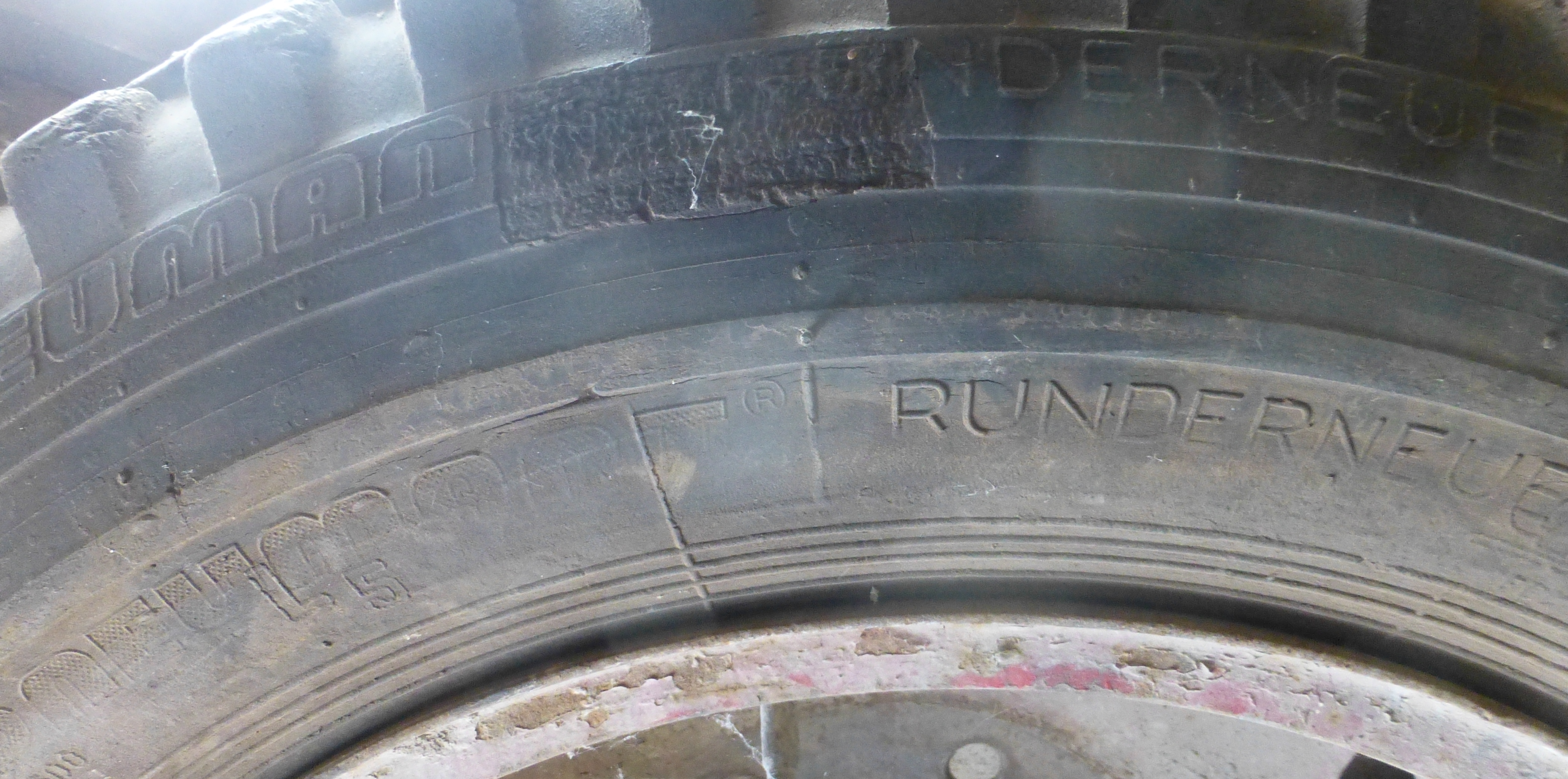
Illustrative archive photograph; not a diagnosis, endorsement or current event photograph. BattKkk, 2021-05-17 / Wikimedia Commons, CC BY-SA 4.0. Unaltered image.

Buying another tread does not erase the history of the tire underneath it. For an owner-operator, the useful question is whether the casing can be identified, professionally evaluated and followed when it returns to service.
Separate the casing from the next tread
The U.S. Tire Manufacturers Association describes retreading as applying a new tread to a used casing. Its commercial-tire manual includes identification, initial and final inspections among the stages of that process. It does not describe a fresh tread as proof that every used casing is suitable.
Build a record that follows the tire
A practical fleet worksheet can connect the tire removed from a vehicle with the supplier's evaluation. This is an administrative tool, not a repair procedure or a way to approve a casing from a photograph.
- Record the tire's identification and the vehicle and axle position it came from.
- Keep the removal date, mileage records available and the reason it was removed.
- Ask the supplier to identify the casing received and document its inspection decision.
- Link the returned tire and invoice to that same record before assigning a new position.
Compare decisions, not just invoice totals
If two quotes cover different casings, inspections, repairs or tread applications, their totals are not an equal comparison. Ask what each written quote includes. Do not enter an assumed saving, service life or accepted casing until the relevant result is documented.
If the history is incomplete, list what is missing and ask the service provider how it affects the evaluation. A spreadsheet cannot establish structural condition; that decision belongs to a trained tire professional following the applicable manufacturer and retread specifications.
Before the next removal
Start the record while the tire and its operating position can still be identified. Keeping those details together makes the next conversation about tire condition more useful than trying to reconstruct it from an invoice alone.
Original source: USTMA, Care and Service of Commercial Truck and Bus Tires, pages 48–51.