Truck Batteries: Describe the Job Before the Quote
A truck battery quote starts with the job. Describe starting needs and accessories, then confirm the specific application.
A battery quote for a working truck should begin with the job the battery must support. Starting an engine, supplying repeated accessory use and fitting an existing electrical system are related questions, but they are not the same question. Before comparing offers, give the supplier an accurate description of the truck and its work. A higher headline number cannot replace that conversation.
Interstate Batteries separates its commercial trucking catalog into starting, cycling and AGM offerings. That is a useful starting point for organizing a purchasing request, not a recommendation that every truck switch categories. TSN reviewed the manufacturer's current pages on October 7. The checklist below focuses on the information an owner or fleet manager can gather before a qualified provider confirms the application.
Describe the truck's working day
Interstate presents cycling products for demands such as sleeper equipment and lift gates, while its starting line is organized around engine-starting requirements. Those descriptions show why a quote request should include more than the vehicle's nickname. They do not prove that a particular product fits a particular truck or that an accessory should be connected to an existing battery bank.
Write down the unit number, vehicle identification information and the equipment already installed. Describe a typical workday in ordinary language: when the truck moves, when it stops, which accessories are used and what the driver has noticed. Distinguish observations from estimates. “The lift gate is used at several deliveries” is an observation; a claimed energy requirement needs supporting information from the equipment or service team.
The purpose is not to have dispatch design an electrical system. It is to give the person selecting the battery a more complete question. If the truck's work has changed since the last purchase, say so explicitly. A delivery unit reassigned to a different route deserves a fresh description of its duty, even when the old invoice is still available.
Keep the ratings in separate columns
The manufacturer's starting-battery table lists group size, cold cranking amps, cranking amps, reserve capacity, ampere-hours where available, physical dimensions, terminal information and voltage. Its explanations distinguish starting performance from reserve power and stored capacity. A buyer should preserve those separate fields rather than copy one large number into a spreadsheet headed “battery power.”
Request the exact part number and current specification sheet for each offer. Ask the supplier to identify which requirements came from the vehicle manufacturer and which selection considerations come from the actual work. Leave an unavailable rating visibly blank. A missing specification should prompt a question; entering zero or copying a value from a similar product can make an incomplete quote look comparable when it is not.
Treat AGM as a product description, not a promise
Interstate's AGM catalog contains multiple products and publishes specifications by part number. The category name alone therefore does not answer the purchasing decision. Ask what the quoted product is intended to do in the confirmed configuration and what evidence supports the recommendation. Do not transfer a marketing claim for one product to every battery carrying the same technology label.
In particular, avoid promising a driver a certain number of operating hours from a catalog category. The pages reviewed do not establish the complete accessory demand or operating conditions of that driver's vehicle. Ask the qualified provider to address the actual application. This checklist does not authorize mixing battery types, changing wiring or treating a battery replacement as an electrical-system redesign.
Separate replacement from diagnosis
If the request follows a reported problem, send the service team a useful record: what the driver observed, when it happened, what equipment was operating and what work was recently performed. “Needs a bigger battery” is a proposed solution, not a description of the symptom. Ask for the findings that support the replacement recommendation before converting a service concern into a purchasing specification.
A hypothetical fleet example makes the distinction clear. Two trucks have similar model descriptions, but one carries an accessory used repeatedly during deliveries. Sending an identical quote request for both hides that difference. The buyer's next action is to describe each assignment and request confirmed fitment, not assume that the same replacement is wrong or that a more expensive option is automatically right.
Compare the whole written offer
Keep the quote date, exact product, quantity, installation scope and supplier contact together. Ask whether the written total includes applicable charges and how any return or core arrangement works. Request the warranty terms for the actual product and commercial use. These are purchasing questions, not a statement that a particular fee, warranty period or service package applies everywhere.
A useful decision record ends with three things: the confirmed application, the reason for the selected product and the unresolved questions, if any. Retain the specification and final invoice with the unit's service information. On the next purchase, review what changed instead of copying the old order unquestioningly. The result is a quote that can be discussed and checked, with the truck's real work visible from the beginning.
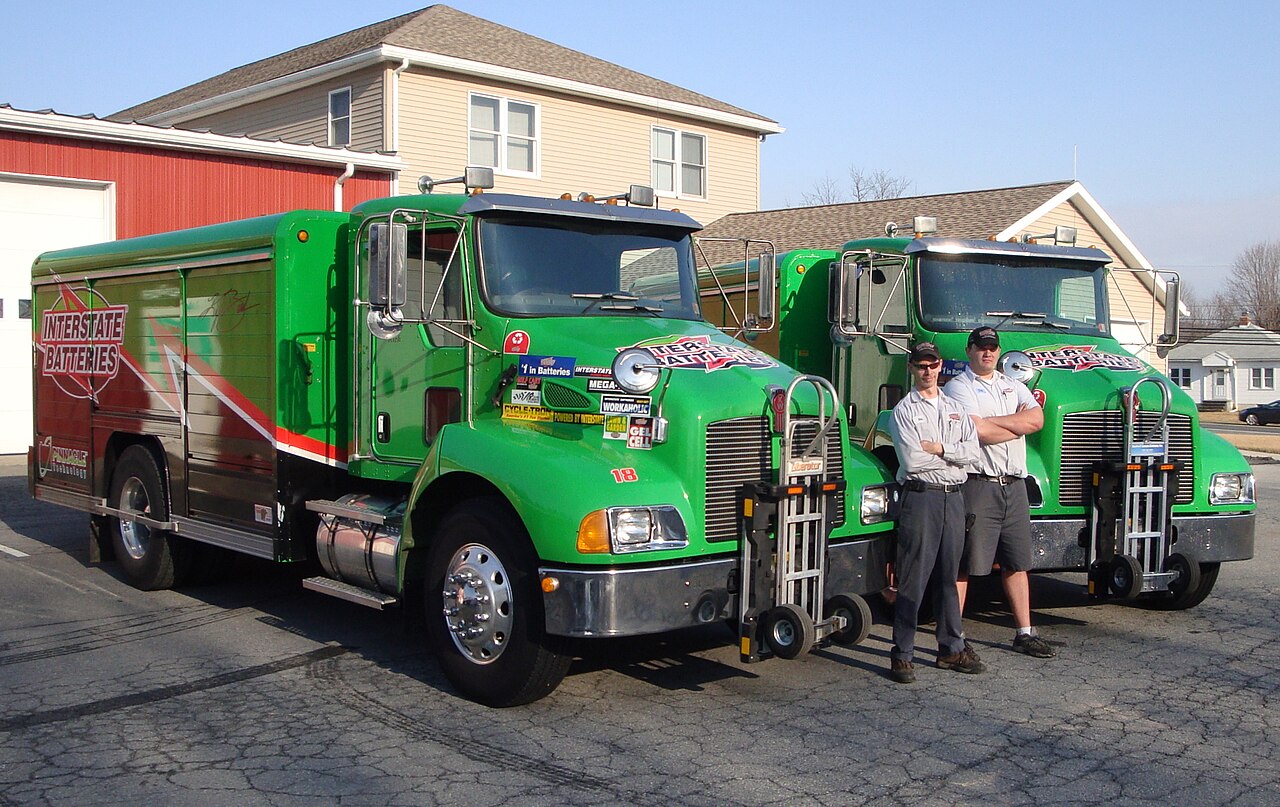
Photo: MobiusDaXter, 2012-02-27. CC BY-SA 3.0. Interstate Batteries delivery trucks in Allentown. Illustrative 2012 archive, resized by source; not the battery installed in a reader’s truck.

Original source: Interstate Batteries, starting batteries. Interstate: trucking catalog; Interstate: cycling; Interstate: AGM.