Trailer Ride Height: Ask for the Measured Value
A level-looking trailer still needs the right reference. Ask for the suspension model, specified ride height and measured result.
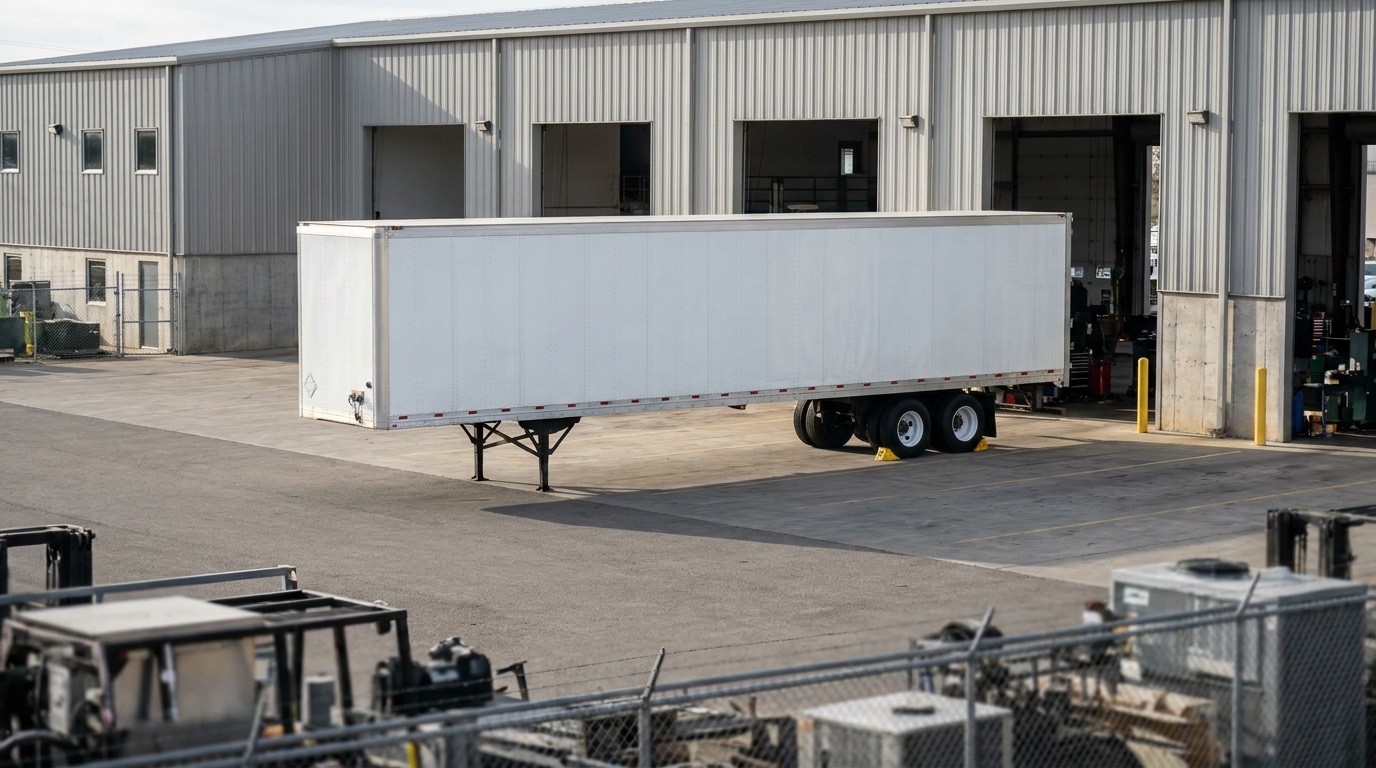
AI-generated editorial illustration; not a documentary photograph.
A trailer that looks level in a parking lot has not necessarily had its suspension ride height checked. Hendrickson defines that measurement between the suspension mounting surface and the axle center, with air in the springs. For an owner-operator, the useful questions are specific: what height was this suspension designed to run at, and what did the technician actually measure? A photograph beside another trailer cannot supply either answer.
This maintenance planning guide uses existing manufacturer literature. Its purpose is to help a driver describe a concern and request a documented check. It does not announce a new inspection requirement or provide a universal setting for all trailers. The equipment identity and applicable procedure belong at the beginning of the work order, before the discussion turns to adjustments or replacement parts.
Identify the suspension before discussing a setting
Start the appointment request with the trailer identification and any safely accessible suspension identification information. Ask the workshop to confirm manufacturer, model and designed ride height from the applicable records. Keep those details together. A fleet can contain different configurations, so a measurement copied from another unit should remain a comparison question until the technician confirms its relevance.
Two quotes become easier to compare when both identify the same equipment and the same requested inspection. A quote saying only “adjust suspension” leaves unanswered what condition prompted the work and which specification will be used. Request a written finding before authorizing parts. That does not establish that an adjustment or replacement is necessary; it defines what the appointment is supposed to determine.
Separate suspension height from overall clearance
A suspension measurement and an overall trailer-clearance measurement answer different operating questions. Do not enter the height of the roof, loading dock or cargo into a field intended for suspension ride height. Label photographs and measurements clearly when sending them to the workshop. If the driver cannot identify the reference points safely, ask the technician to take the measurement rather than improvising a number.
Hendrickson's T12010 guide describes preparation conditions and directs readers to its complete L459 procedure. A number without the conditions under which it was taken is difficult to compare with a specification. Ask the provider to identify the procedure used and record measured and specified values in the same units. The purpose is a repeatable check, not turning an operator into a suspension technician.
A symptom is a reason to inspect
Write down what changed, when it was noticed and whether suspension work had recently been performed. “The trailer looked different after the last stop” is an observation. Calling it a failed air spring is a diagnosis that still requires evidence. Keeping those statements separate helps the workshop begin with a check rather than a component already selected by telephone.
Hendrickson's inspection sheet includes air springs, shock absorbers, structure, fasteners and pneumatic components. Its air-spring information explains that internal construction differences can affect load distribution. Those references support checking the system and the correct component application. They do not establish that every visible height concern requires a new air spring, or that similar-looking replacement parts are interchangeable. Relevant supporting references are Hendrickson's L121 inspection sheet and trailer air-spring information.
What to put on the work order
- Identify the trailer and ask the technician to confirm the suspension model.
- Describe the observation and timing without naming an unverified cause.
- Request the designed height and the procedure used to check it.
- Ask for the measured value, units and findings in writing.
- Confirm component application before approving replacement parts.
- Keep the final findings with the trailer's maintenance history.
These are suggested recordkeeping fields. Give the person scheduling the service a contact who can authorize work and explain which decisions require a call first. If the trailer's availability affects a loading appointment, tell dispatch an inspection is pending. Do not promise a completion time or return to service until the responsible provider has confirmed the result.
Close the question with evidence
When receiving the job, compare the original concern with the written finding. If a component was replaced, retain its identification and the reason given. If no adjustment was needed, keep that result too. It establishes what was inspected without inventing a failure. A consistent file is more useful than photographs that never say which unit, setting or service visit they describe.
Keep the next follow-up linked to that record. If another driver reports a similar observation, the fleet can provide the earlier finding and ask what should be checked again. It should not present the earlier result as proof of the current condition. Each visit needs its own date and findings, while the history gives the technician a clearer starting point.
For workshop service information, consult The Truck Savers™ and describe the equipment before requesting an appointment. Confirm the location's service scope and availability. Prevention starts with a clear question, the correct specification and a documented answer before the next maintenance decision.
Original source: Hendrickson, T12010: Measuring Trailer Ride Height.