Trailer Orders: Check Delivery Dates
Trailer orders surged in the latest ACT estimate. Separate the market count from your specification and delivery date.
A jump in trailer orders answers a market question. It does not tell a carrier when a particular trailer will be available. For a small fleet replacing one unit, the useful next step is to ask the supplier to identify exactly what has been accepted, what remains provisional and which date can actually support the operating plan.
Read the preliminary count correctly
ACT Research's October 19 release estimates September net trailer orders at 42,700, up 311% year over year. The seasonally adjusted figure is 36,700. Month over month, the nominal increase was 75%, while the adjusted increase was less than 9%. Final September data were still pending in that release. These are industry estimates, not a delivery commitment for an individual order.
Put the specification before the promised date
Start a purchase worksheet with the configuration the operation needs. Record the trailer type, intended cargo, dimensions requested and any equipment that must be included. Ask the supplier to identify the exact specification attached to the proposed production slot. A date beside an incomplete description leaves the buyer unable to tell whether two offers describe the same usable unit.
Consider a hypothetical fleet comparing a standard dry van with a unit that also needs specific loading equipment. If one quote includes that equipment and the other leaves it unresolved, the prices and dates are not directly comparable. The worksheet should show the unresolved item, who will clarify it and whether the supplier says it changes the quoted schedule. Do not fill the blank with an assumption.
Name the stage of the order
Our editorial planning checklist separates a quotation, an accepted order, a proposed production slot, a completed unit and a handover appointment. Ask the supplier which description applies now and what written evidence supports it. These labels organize the discussion; they do not create contract terms or determine what a particular seller owes.
Keep the supplier's own wording beside each date. If the email says estimated, preserve that qualifier in the fleet plan. If a salesperson gives a newer date by telephone, request a written clarification and retain the earlier message. The goal is to make changes visible to the person assigning equipment, rather than allowing an estimate to become a confirmed dispatch asset through repetition.
Compare the cost of the timing assumption
For an explicit hypothetical example, suppose an interim arrangement is quoted at $90 per day for ten days. That line totals $900. If the same arrangement lasts twenty days at the assumed unchanged daily charge, the line becomes $1,800. Neither figure is a market rental quote, a complete rental cost or a prediction of delivery delay. Actual fees and availability need separate confirmation.
Use the exercise to expose a dependency: what happens to the operating plan if the estimated handover moves? Add only documented alternatives and label unknown amounts. A lower purchase quote cannot be compared responsibly with another offer if one worksheet quietly assumes the existing trailer stays available forever. Keep equipment readiness, purchase price and temporary arrangements as separate questions.
Use a handover checklist that dispatch can read
- Identify the exact trailer specification and the supplier's reference.
- Record the stage of the order and the date it was last confirmed.
- Separate estimated production, completion and pickup dates.
- List unresolved equipment, paperwork and acceptance questions.
- Name the person responsible for confirming each open item.
- Identify the operating assignment that depends on the unit.
- Keep any interim arrangement conditional until its own terms are verified.
Before treating the trailer as available, arrange the relevant inspection, document review and operating checks with the responsible people. This article does not prescribe a technical acceptance test or replace the manufacturer's instructions. A planning spreadsheet can organize the handoff; it cannot establish that the equipment is suitable for a load.
The strongest response to a large industry order number is therefore a better question for your own supplier. Which exact unit, at which documented stage, with which remaining conditions? Record the answer and its date. That gives the fleet something concrete to review when the next market headline or delivery update arrives.
Read more equipment and operating-cost reporting from Truck Savers News.
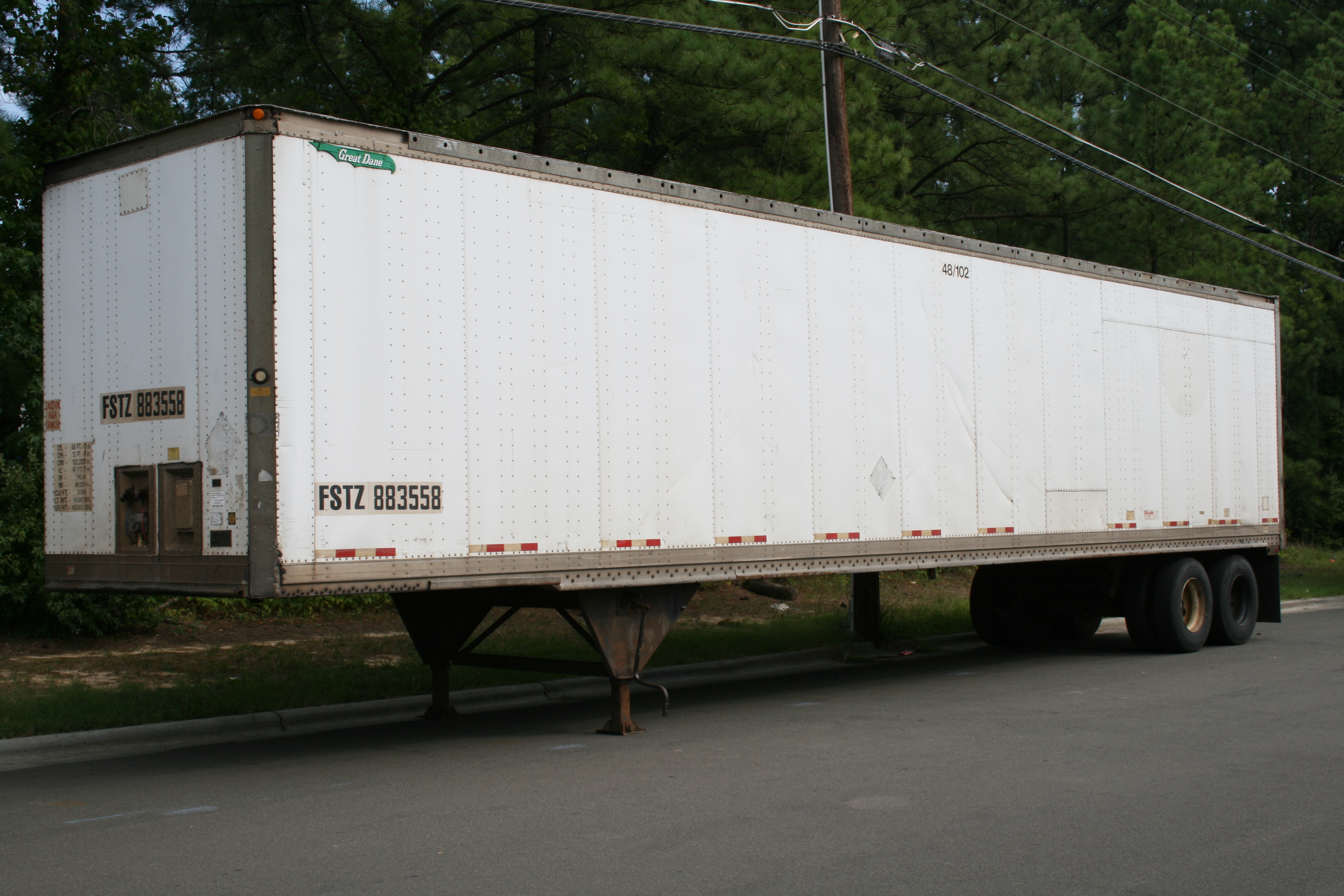
Photo credit: Illustrative archive photo: Great Dane trailer in Durham, North Carolina, August 2, 2008, Ildar Sagdejev (Specious), CC BY-SA 4.0. Unmodified; not a trailer from the new orders or a current inventory offer. Wikimedia Commons · CC BY-SA 4.0.

Original source
ACT Research, preliminary September trailer orders, October 19, 2026.