TPMS for Semi Trucks: What to Check Before Buying
Choose a semi-truck TPMS by wheel coverage, trailer range, valve fit and cold-pressure setup—without confusing simple indicator caps with a full system.
A semi-truck tire-pressure system should match the whole rig, not just the tractor. Owner-operators need to know how many wheel positions it can watch, whether trailer sensors stay connected, how alerts are set and what still must be checked by hand. The wrong setup can create a false sense of protection instead of preventing tire-related downtime.
First, decide what kind of warning you actually need
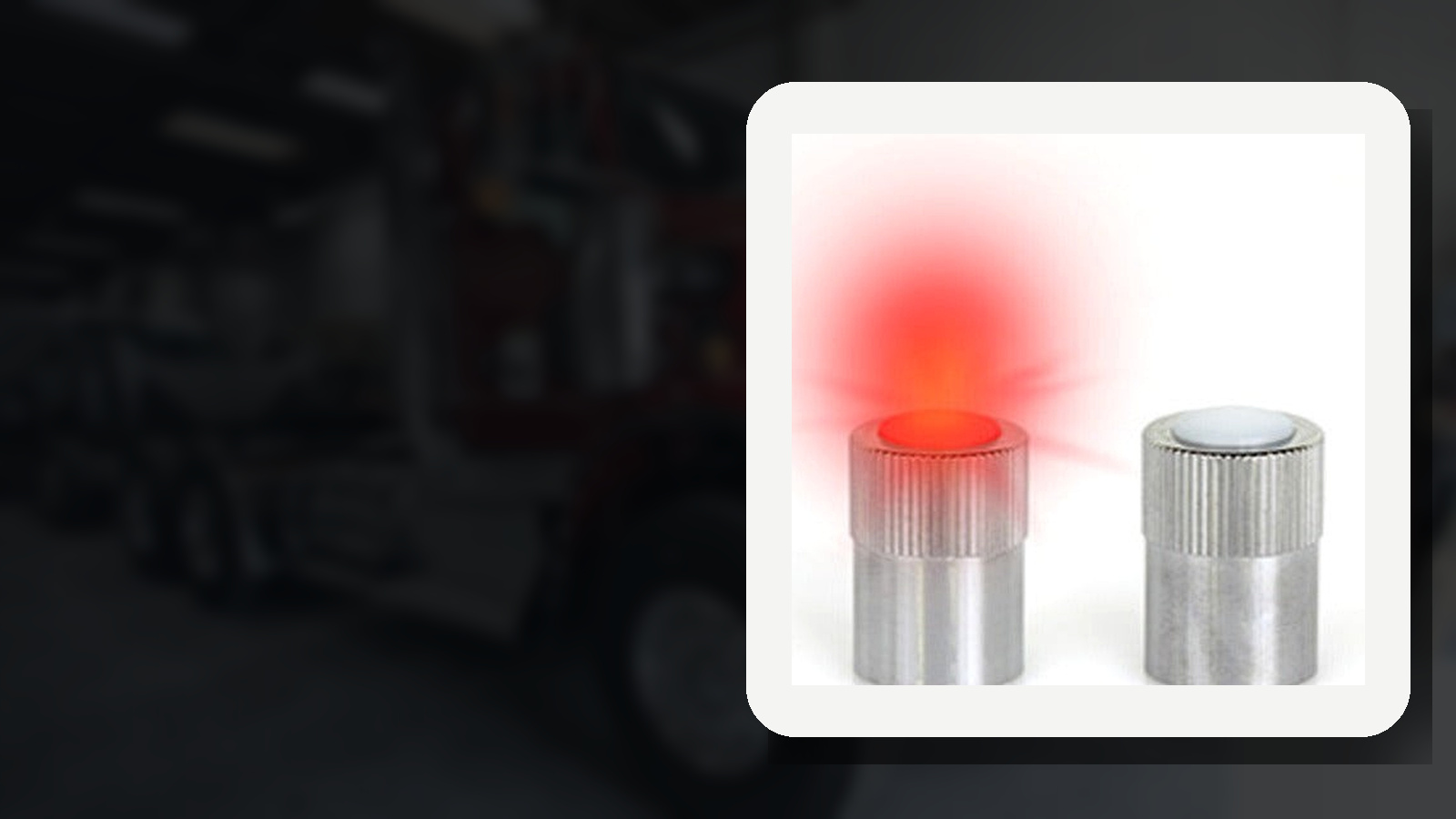
The label “TPMS” gets used for several different products. A full monitoring system normally gives the driver electronic pressure information for assigned wheel positions and may also report temperature or rapid pressure-loss alerts. A simple valve-stem indicator cap has a narrower job: it gives a visual warning at the wheel when pressure falls past its designed point.
That difference matters on a tractor-trailer. A cap that changes color or flashes can help during a walk-around, but it does not automatically identify the wheel from the cab, store a pressure history or confirm that every tractor and trailer position is communicating. Buy the warning method that matches the decision you need to make.
Do not assume the passenger-vehicle rule covers a Class 8 truck
The federal performance standard commonly associated with factory TPMS applies to vehicles with a gross vehicle weight rating of 10,000 pounds or less and excludes vehicles with dual wheels on an axle. Most Class 8 tractors therefore should not be evaluated as if the familiar passenger-car dashboard light were the complete legal or operational answer.
Commercial-vehicle tire rules focus on the tire being safe for the load. A truck cannot be operated on a flat tire, an audible leak, exposed body-ply or belt material, or tread or sidewall separation. Cold inflation pressure also cannot be below the pressure specified for the load being carried. An electronic alert supports that responsibility; it does not replace it.
Count every wheel position before choosing hardware
Write down the actual combination you run: tractor only, tractor with one trailer, or changing trailers. Count steer, drive and trailer positions, including the inner tires in dual assemblies. Then verify the system's supported sensor count, whether it can save more than one trailer profile and whether a repeater is recommended for the total tractor-to-trailer distance.
Ask what happens when trailers are swapped. A system that works on one dedicated dry van may be awkward for a driver who hooks to different trailers every day. Confirm how sensors are paired, how a missing sensor is reported and whether the display clearly identifies the axle and side without making the driver guess.
Set alerts from tire and load information—not a random PSI
The correct cold pressure depends on tire size, load, axle position and the tire or vehicle manufacturer's load-and-inflation information. Do not copy one pressure across every wheel simply because another truck uses it. Establish the cold baseline before the route, program the alert around the approved operating plan and document who can change those settings.
Temperature changes and recent driving can raise measured pressure. That is why a hot reading at a fuel stop should not be treated like a cold setup reading. If an alert appears, identify the exact wheel, inspect it safely and verify pressure with a dependable gauge before adding air or authorizing a repair.
Six buying checks that prevent an expensive mismatch
- Coverage: enough sensors for the tractor and every trailer wheel you intend to monitor.
- Range: reliable communication across the actual combination, with a repeater if the manufacturer requires one.
- Valve compatibility: correct fit for the valve stem, wheel position and service method; external caps must not bind or interfere with access.
- Alerts: clear low-pressure, rapid-loss and system-fault behavior that the driver can understand without looking at the phone while moving.
- Service: replaceable batteries or a documented sensor-life plan, spare parts and a process for re-pairing after tire or wheel work.
- Verification: a written test after installation so every displayed wheel matches the physical wheel.
What the road hero should check
- Confirm cold pressure before departure with the tire and load information for that axle.
- Inspect tread, sidewalls, valve stems, extensions, caps and the inner tire of every dual pair.
- Look for cuts, bulges, exposed material, separation, a flat tire or an audible leak.
- Compare the monitor's wheel map with the tractor and trailer before the first load.
- Test one controlled alert according to the product instructions and confirm the display names the correct position.
- After tire service, verify the sensor, valve, seal and alert again before returning to the highway.
Where simple indicator caps fit
A visual pressure-loss cap can be useful for a driver who wants a quick walk-around cue, but it should be described honestly: it is an indicator at the valve, not a complete in-cab multi-wheel monitoring system. The current LlantaSavers pressure-indicator caps are available in several pack sizes. Verify the selected pressure range, valve fit and instructions before ordering.
If the warning points to irregular wear, vibration, valve damage or a wheel-end problem, use The Truck Savers as a diagnostic support resource rather than replacing parts by guesswork.
Clear answers for operators
What changed? Nothing in this guide creates a new mandate; it explains the current difference between the light-vehicle TPMS standard and the commercial-truck tire rules. Who is affected? Owner-operators and small fleets choosing pressure alerts for tractors, duals and trailers. When does it take effect? This is a buying and maintenance decision now, not a new effective date. How can it affect cost? The wrong sensor count, range or valve fit can waste the purchase and still leave wheel positions unmonitored. How can it affect safety? A useful alert can flag a pressure problem sooner, but only inspection and correct inflation determine whether the tire is ready for the load.
Bottom line
Buy coverage, compatibility and a repeatable inspection process—not just a dashboard screen or a package marked TPMS. Map every wheel, set the cold-pressure plan from real tire and load information, and teach the driver what each alert requires. The truck warns you. The problem is when nobody listens.
Original sources
Electronic Code of Federal Regulations — 49 CFR 393.75, Tires; Electronic Code of Federal Regulations — FMVSS No. 138, Tire Pressure Monitoring Systems. Accessed July 29, 2026.