TIREMAAX: Match the Manual Before Reading the Lamp
TIREMAAX manuals depend on the installed system. Record the model and lamp behavior before planning service or ordering parts.
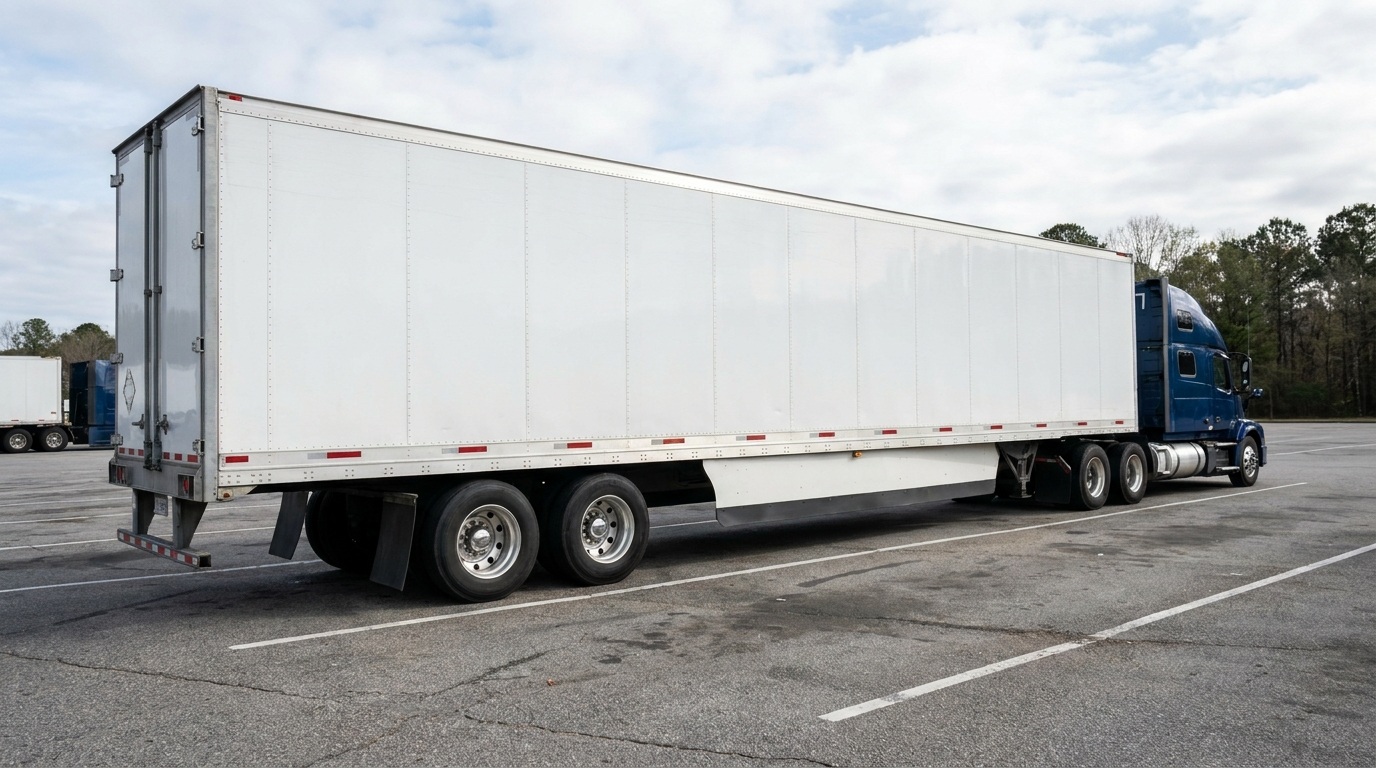
AI-generated editorial illustration; not a documentary photograph.
A trailer's tire-inflation lamp is a reason to identify the installed system and consult its instructions, rather than order a part from a generic description. Hendrickson's TIREMAAX literature distinguishes system versions and documents different operating contexts. For an owner-operator, the first useful task is a clear equipment record: which trailer, which system, what the lamp did and under what conditions. That record supports a service decision without pretending that a warning light alone supplies a diagnosis.
Check the document's application first
Hendrickson's T51009 is dated April 2026 and covers the newer PRO system; its cover directs readers with CP or PRO systems before May 2026 to T51002. Its operation page associates continuous illumination beyond ten minutes with a possible inability to maintain pressure. Separately, decal T50014 identifies a PRO-LB loading exception of up to twenty minutes. These are model- and condition-specific descriptions, not a universal countdown that clears a trailer for dispatch.
Separate identification from interpretation
Start with the trailer's unit number and its equipment records. Ask maintenance to confirm the system designation and applicable literature, rather than guessing from the color of the lamp or the appearance of a hubcap. A fleet can operate trailers with different histories, so an answer remembered from another unit may not apply. If the documentation is missing or ambiguous, record that uncertainty explicitly instead of attaching a confident parts request to it.
The purpose of recording the literature number is practical. It gives the driver, dispatcher and service provider a common reference. Include the revision or date when it is available, and distinguish an equipment in-service date from an assumed manufacturing date. Do not rewrite an older trailer's history to make it fit a newer manual. Maintenance personnel can resolve applicability from the actual assembly and its records before an operating instruction or repair procedure is selected.
Describe what happened without supplying a diagnosis
A useful report states whether the lamp was continuous or intermittent, when the observation began and whether it occurred at startup, after loading or during travel. Record what was actually observed and any messages already supplied by the equipment. If the duration was not timed, say so. An estimated phrase such as 'a while' should not later appear on the work order as a precise ten-minute measurement.
Location matters in the record too. Identify the trailer and, when an inspection has established it, the affected wheel position. Distinguish an observation from a confirmed measurement and identify who made each. A driver report, a pressure measurement and a technician's finding are separate pieces of evidence. Keeping them separate helps a service provider ask the right next question without treating a tentative description as the result of a completed inspection.
Make a service brief instead of a shopping guess
Before requesting a component, explain the symptom and the equipment identity to the service provider. Ask what inspection or information is required to establish the cause and correct application. The fact that a product listing mentions TIREMAAX does not prove that it fits the trailer, and a photograph is not a substitute for a confirmed part identity. Do not represent a suggested replacement as the established solution before the responsible technician has checked the unit.
This distinction also improves the business conversation. An initial inquiry can ask for inspection availability, the information needed for a quote and the scope of any proposed work. Keep that separate from an authorization to replace parts. No price, completion time or tire-life gain is established by the lamp description alone. Record any service appointment as an appointment, and a completed inspection as completed only when its actual findings are available.
Use the record to support the operating decision
This guide does not determine whether a particular trailer can continue operating. Follow the applicable manufacturer's instructions and the responsible maintenance process for the actual unit. Do not treat an elapsed-time reference as permission to keep moving while waiting for a lamp to turn off. Nor does automatic inflation, by itself, establish the condition of a tire or the cause of a system concern. Those questions require the appropriate assessment of the equipment.
- Confirm the trailer identity and installed TIREMAAX version.
- Match the manual and revision to that equipment.
- Record the lamp pattern, timing and operating conditions without filling gaps.
- Keep observations, measurements and confirmed service findings distinct.
- Request the appropriate assessment before ordering a proposed replacement.
The useful outcome is a traceable handoff between the person observing the trailer and the person assessing it. That is different from a remote diagnosis or a universal service interval. Keep the completed record with the unit's maintenance documentation so that the next person does not restart from an incomplete description. For related tire and maintenance reporting, visit TSN's diesel and tires section while preserving the instructions specific to your equipment.
Original source: Hendrickson T51009, April 2026; applicability and operation, with T50014 decal cross-check.