Tire Ply Ratings Describe Capacity
A tire ply rating is not a layer count. Compare its complete load specification before approving the replacement.
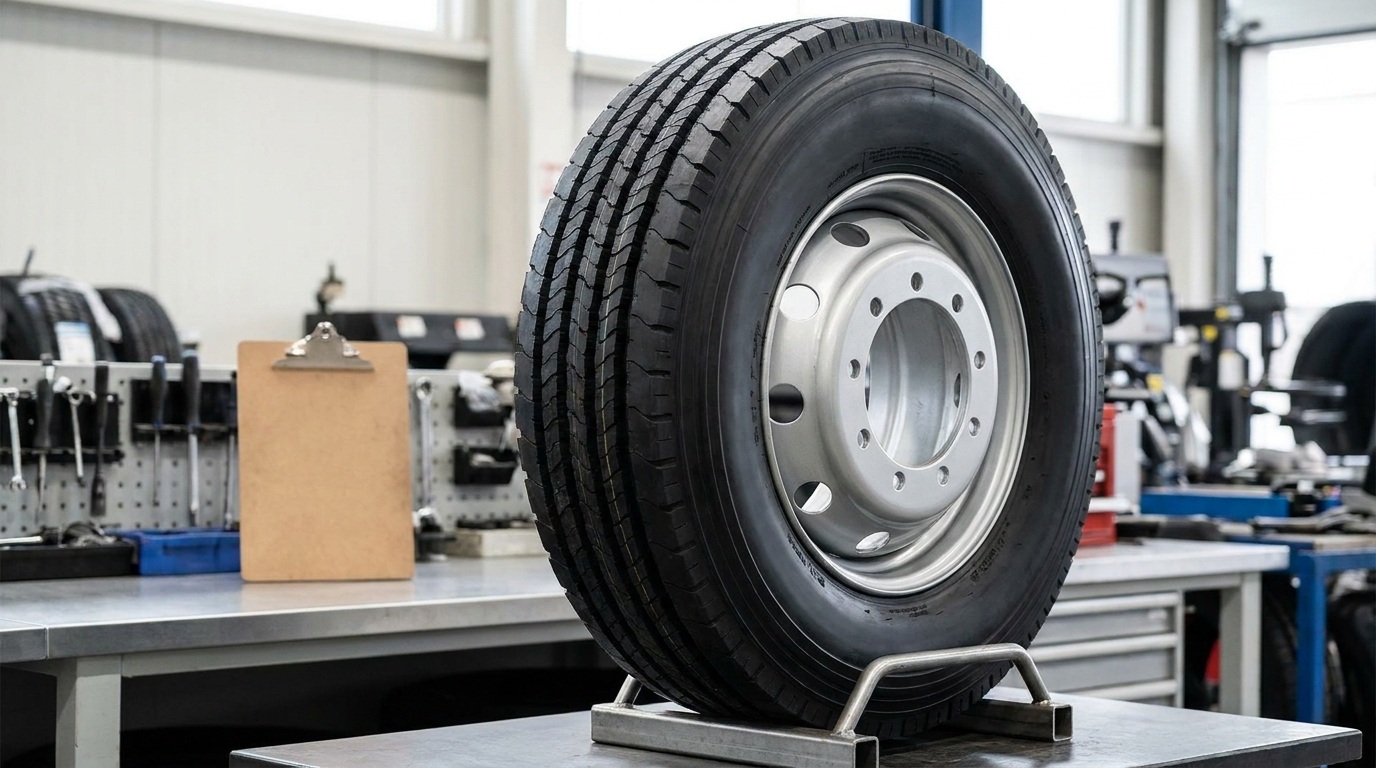
AI-generated editorial illustration; not a documentary photograph.
A commercial tire described as having a 14-ply rating does not necessarily contain fourteen physical layers. The U.S. Tire Manufacturers Association explains that ply ratings indicate relative load-carrying capability; modern materials can provide that capability with fewer actual plies. For a purchasing decision, the important task is to confirm the complete specification for the vehicle and its work. Counting imagined layers is not a substitute for checking the manufacturer's information.
Picture a dispatcher approving a replacement over the phone. The seller says the size is available and calls it a heavy-duty tire. Neither statement completes the specification. Ask for the exact product identification and a written description of the load designation. That creates something the shop can compare with the vehicle's requirements instead of relying on a familiar phrase from a sales conversation.
A rating and a construction description answer different questions
USTMA's commercial truck and bus tire guide distinguishes load range from actual materials and construction identified on a sidewall. Its discussion covers medium-truck and bus tires in load range F and above. That scope matters: a commercial-truck explanation should not be applied blindly to a passenger tire, light-truck tire or different equipment. Start with the correct product category and the manufacturer's instructions for that application.
Continental's sidewall guide treats the product name, tire size, load markings and service description as separate items. Its service description includes a load index and speed symbol. Those fields belong together in the purchasing record, but they are not interchangeable. A model name identifies a product; a load-related marking communicates a capacity classification; the service description adds another part of the specification. None should disappear from a replacement quote.
This distinction is useful when comparing offers that appear identical in a short message. A price next to a size alone may leave several questions unanswered. Rather than decide which tire is better from one letter, ask both suppliers to identify the same requested specification. This is a comparison method, not a finding that either offered tire is unsuitable. The answer depends on the actual vehicle, product and approved application.
Use the right table for the exact tire
Manufacturer data books provide product-specific information for a proper comparison. Continental's truck tire data guide separates load-related information and application data instead of treating a general ply description as the whole purchase decision. Ask the tire professional which current table supports the proposed product and installation. Retain its title or version with the quote so the decision can be checked later.
This article does not prescribe a universal inflation pressure, substitute tire or additional payload. It also does not authorize changing a vehicle's operating limits. Those are separate determinations requiring the correct vehicle and tire information. A higher-sounding sales description is not enough to approve such a change. If a comparison needs a pressure or capacity value, obtain the applicable manufacturer's entry rather than copying a number from another size.
For a small fleet, an incomplete description can complicate repeat orders. Imagine one employee keeping a receipt while another keeps only a supplier's message. The next replacement request may lose the original product details. A single equipment record, linked to the invoice and service order, makes the information available without expecting anyone to remember markings from a tire no longer in front of them.
Collect information without turning it into a repair procedure
Read accessible markings only when the vehicle and work area are safe. This checklist prepares a conversation with a tire professional; it does not teach mounting, removal or inflation. USTMA expressly says its manual does not replace practical training for tire service. If obtaining a marking requires entering an unsafe area or moving equipment, leave that inspection to the properly equipped service provider.
- Record the vehicle and wheel position involved in the request.
- Keep the exact product name and complete size description.
- Ask the supplier to specify load designation and service description.
- Request the manufacturer's reference used for the proposed application.
- Keep quotation and final installed-product information together.
- Have a qualified professional resolve any mismatch before approving the purchase.
Do not use this list to conclude that a vibration, wear pattern or operating complaint has a particular cause. Tire identification and mechanical diagnosis are different jobs. A correct purchasing record helps the next inspection start with accurate information; it does not establish that the tire, wheel or another component needs replacement. No specific truck is being diagnosed in this guide.
Approve a specification, not a slogan
Before approving the next tire order, ask for a complete written specification the provider can match to the vehicle. The useful question is what exact product is being supplied and what verified information supports its application. This also makes follow-up conversations more precise if the quote changes or another employee handles the work. For a discussion of tire condition and preventive service, contact The Truck Savers™ with the vehicle and tire details. The next step is an informed review, not a promised diagnosis or universal replacement recommendation.
Original source: U.S. Tire Manufacturers Association, Care and Service of Commercial Truck and Bus Tires.