The Label Lies and the TPMS Stays Quiet: GM Recalls HD
GM is recalling HD pickups over a wrong tire pressure label. Certain 2024-2025 Silverado 2500 and Sierra 2500 trucks with enhanced towing and the 20-inch wheel package may show the wrong rear pressure, and the TPMS will not warn you. Campaign 26V530000. Letters go out September 28, 2026.
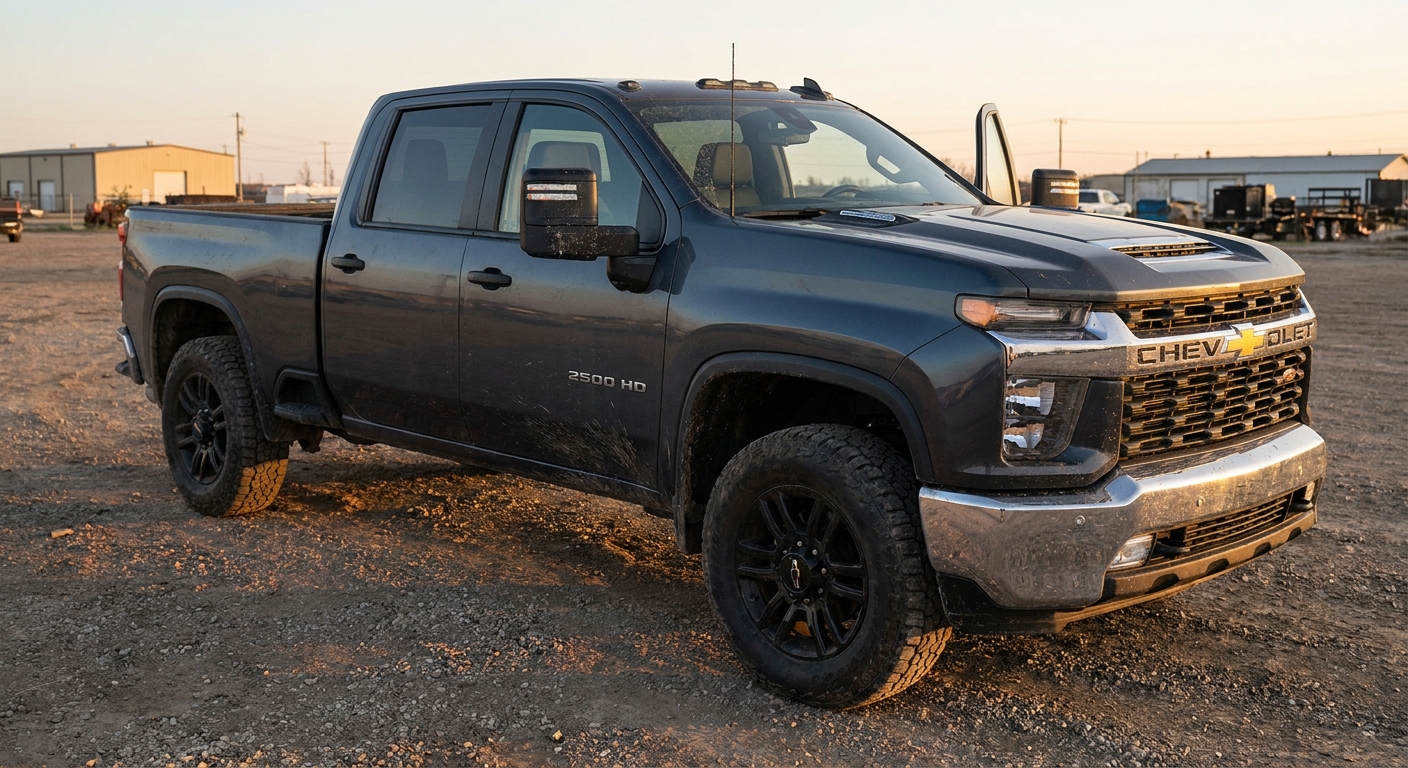
Your truck has two ways of telling you a tire is low, and on these trucks both of them are wrong at the same time. General Motors is recalling certain 2024-2025 Chevrolet Silverado 2500 and GMC Sierra 2500 pickups because the tire information label may show the wrong rear tire pressure — and because the tire pressure monitoring system will not light up to correct it. The campaign is 26V530000, filed with NHTSA on August 13.
Read that twice. The sticker in the door jamb is the number most drivers set their tires by. The TPMS light is the backup that is supposed to catch it when the sticker is ignored. Here, the sticker sends you to an underinflated rear tire and the warning never comes.
Which trucks, exactly
This is not every HD on the lot. NHTSA is specific: the affected trucks have both the enhanced towing option and the 20-inch accessory tire and wheel package. Two boxes checked, not one. A 2025 Sierra 2500 without that wheel package is not in this campaign.
That combination is worth noticing on its own, because it describes a truck that pulls. Enhanced towing means it was bought to work, and a working truck spends its life at or near the rear axle rating — which is exactly where a wrong rear pressure does the most damage.
Why an underinflated rear tire is not a small thing
NHTSA states the consequence plainly: driving on underinflated tires increases the risk of a crash. Here is what that looks like before it gets there.
- Heat. An underinflated tire flexes more in the sidewall, and that flex turns into heat. Heat is what kills a casing from the inside, long before anything shows on the tread.
- Shoulder wear. Low pressure puts the load on the outer edges. You will see both shoulders wearing while the center still looks fine, and you will be buying tires early.
- Fuel. Rolling resistance climbs with every pound you are under. That is money leaving on every mile, and it never shows up as a repair bill.
- Towing load. Add a trailer to a rear tire that is already short on air and the margin gets thin fast.
What the fix actually is
Dealers will inspect the truck, update the engine control module software, apply an overlay on top of the tire label, inflate the tires to the correct pressure, and run a TPMS re-learn where needed. All of it free of charge. Owner notification letters are expected to go out on September 28, 2026.
Notice that the remedy includes a sticker over a sticker. That tells you the label itself was printed wrong — this is not a sensor that failed in service, it is information that left the plant incorrect.
What to do this week, before any letter arrives
VINs became searchable on NHTSA.gov on August 13, so you do not have to wait for the mail.
- Run your VIN. It takes a minute and it is free.
- Do not trust the door label on these trucks. Get the correct rear pressure from the owner's manual or from the dealer, in writing.
- Put a gauge on all four, cold. Not a kick, not a glance, not the dash — an actual gauge, before the truck moves in the morning.
- Call if you want it scheduled. Chevrolet at 1-800-222-1020, GMC at 1-800-462-8782. GM's internal number for this recall is N262561970.
The lesson outlives this recall. A TPMS light is a last resort, not a maintenance plan — it is built to tell you a tire is already badly low, not to keep you at the right number. And a label is only as good as what was printed on it. The gauge in your hand is the only one of the three that cannot be recalled.
One more thing, and it matters most to whoever buys these trucks second-hand: the letter goes to the registered owner. If you picked up a 2024 or 2025 HD from a dealer lot, an auction or a private seller, the notice may land in a mailbox that is not yours. That is why the VIN lookup is the real check and the letter is only a reminder. The same goes for a small fleet that bought used and never updated the registration address.
If your tires are wearing at the shoulders, or the truck feels different loaded than empty, a free inspection at The Truck Savers puts a measurement on it instead of a guess.
Los fierros nunca mienten.
Original source: NHTSA