The Cheapest Work Van in America: $39,995
America's cheapest work van now starts at $39,995. The number that matters is payload.
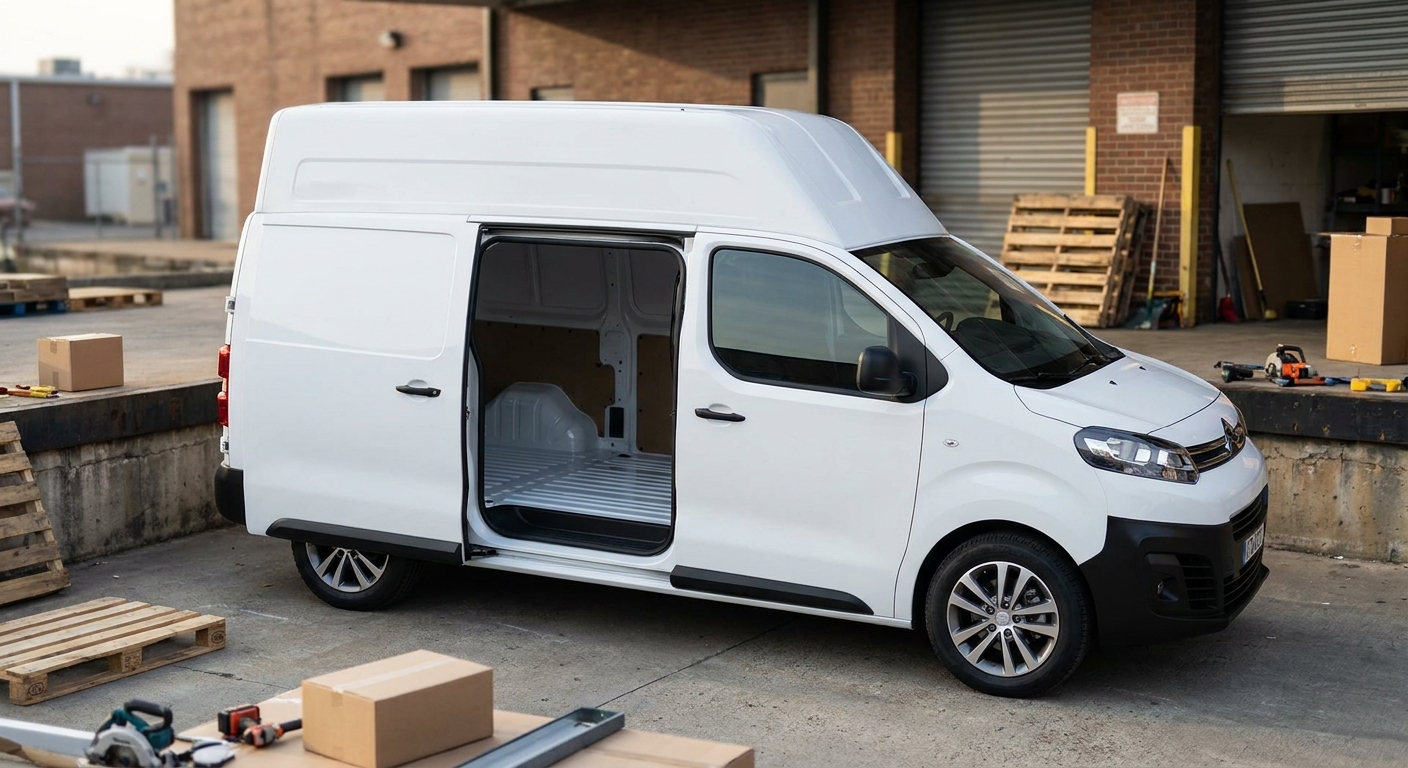
The cheapest work van in America now costs $39,995. That is the sticker on the base 2027 Ram ProMaster City in Tradesman Cargo trim, and it undercuts every other commercial van sold in the country.
But the price is the headline, not the decision. The number that decides whether this van can do your work is further down the spec sheet.
What the four trims cost
- Tradesman Cargo — $39,995
- SLT Cargo — $41,495
- Tradesman Passenger Wagon — $42,695
- SLT Passenger Wagon — $44,195
The SLT adds a heated steering wheel, a wireless charger, front parking sensors, fog lamps, 17-inch aluminum wheels and body-colored bumpers. Every trim already comes with a five-inch digital rearview mirror, a ten-inch gauge cluster and a ten-inch touchscreen with navigation, Apple CarPlay and Android Auto, plus heated front seats.
The number that actually decides
Payload maxes out at 2,000 pounds. So does towing. Both ceilings are the same figure, and that is the line you measure your work against before you measure the payment.
Two thousand pounds is a real working number for a service van, a parts runner or a mobile trade. It is not a number for hauling pallets of tile, bagged concrete or a loaded trailer on top of a full cargo bay. If your day routinely puts a ton in the back and something behind the hitch, this is not the tool.
Power comes from a turbocharged 1.6-liter four-cylinder making 166 horsepower and 221 pound-feet, through an eight-speed automatic. It drives the front wheels. Front-wheel drive in a cargo van behaves differently than what most operators are used to: the van pulls best when there is weight over the nose, and traction gets worse as you load the back, not better.
It is not the small van it used to be
The old ProMaster City was built on the Fiat Doblò. This one is built on the Citroën Jumpy, also sold as the Fiat Scudo, and it grew into the mid-size class:
- 210 inches long — up nearly two feet.
- 76.7 inches tall — up 2.7 inches.
- 75.7 inches wide — up 3.6 inches.
Two feet of extra length is not a detail. It changes which alley you can back into, which parking structure you can clear, and whether the van still fits the bay it was bought to fit. If you are replacing an older one, measure the space before you sign anything.
The growth is not an accident either. Stellantis let the compact van segment go empty in the United States for a few years, and this is the answer to that gap: a van sized closer to a Chevy Express than to the old Doblò, but still meaningfully smaller than a full-size. That middle is exactly where a lot of small operations actually live, and until now the only way into it was buying more van than the work needed.
What to check before you commit
- Weigh your normal load, do not estimate it. Tools, stock, a ladder rack and two people add up faster than anyone expects, and 2,000 pounds includes all of it.
- Measure your door height, not just the length. Nearly three extra inches of roof is the kind of thing you discover at the gate.
- Decide whether you actually tow. If you do, the same 2,000-pound ceiling applies, and it does not stack.
- Look at the front tires in the quote. A front-drive van steers, brakes and pulls on the same two tires; they wear faster and they are the ones that strand you.
- Compare against a used full-size. The cheapest new van is not automatically the cheapest van for your work.
The preventive read
A cheaper unit is only cheaper if it fits the job. The most expensive van an owner buys is the one that is right at its limit every single day, because everything that carries a load — tires, brakes, front suspension, the transmission — wears at the rate you push it, not at the rate the warranty imagines.
If you run one near its ceiling, the maintenance interval that matters is not the one in the book. It is the one your own tire wear tells you about, and that is readable months before it costs you a day of work.
At The Truck Savers the free inspection is where a working unit tells you which side is paying for the load. Los fierros nunca mienten.
Original source: Car and Driver — 2027 Ram ProMaster City pricing.