The 2027 Duramax Keeps 305 HP and 495 LB-FT
The 2027 Duramax makes 305 hp and 495 lb-ft. Same as today's truck, in an all-new one.
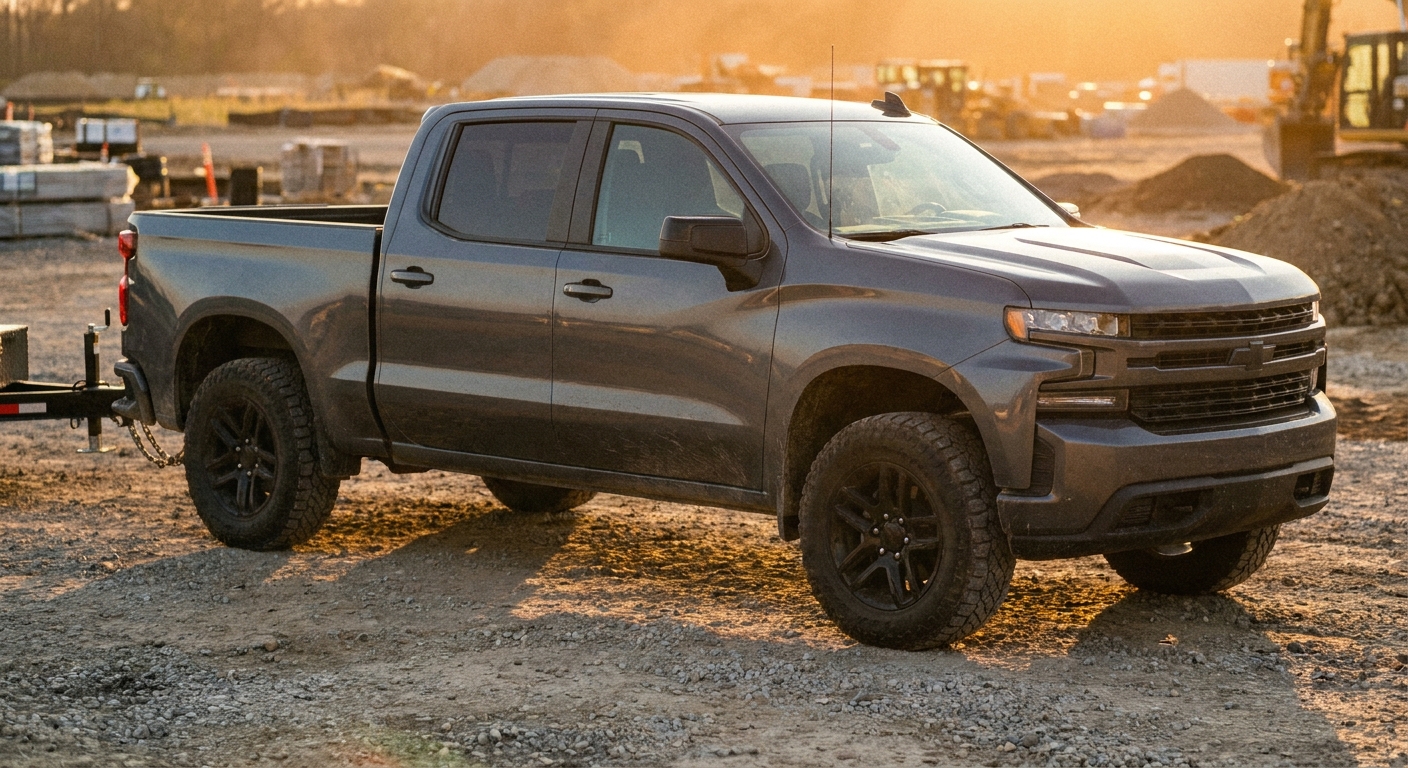
The 2027 Duramax makes 305 horsepower and 495 pound-feet. Those are the numbers for the optional 3.0-liter inline-six turbodiesel, the LZ0, in the 2027 Silverado 1500 and Sierra 1500.
If those figures sound familiar, that is the story. They are exactly what the current trucks make. An all-new generation, and the diesel comes over untouched.
Why "no change" is the news
Every generational changeover comes with an expectation. New sheet metal, new interior, new electronics — and somewhere in there, more power. It is the assumption people buy on.
Here it did not happen. The LZ0 keeps its 305 horsepower at 3,750 rpm and its 495 pound-feet at 2,750 rpm, the same as the outgoing truck. Whatever else changed on this pickup, the part that pulls did not.
That is not a criticism. An engine that stays put through a redesign usually means the manufacturer is satisfied with where it landed. But it changes the math for anyone who has been waiting.
What it means if you have been holding out
Plenty of people running a half-ton diesel for work have been sitting on a decision, waiting to see what the new one brings. For power, the answer is now in: nothing.
So the decision moves to everything else. Cab and bed configuration. Payload and towing ratings once they are published. Warranty terms. What a comparable used truck costs today against a new one. And the part almost nobody prices out: what it costs to keep running for the next four years.
None of those are engine questions. Which means the engine is no longer the reason to wait.
The half-ton diesel is a specific animal
A three-liter six in a full-size pickup is not a scaled-down Class 8 engine and it does not behave like a gasoline V8. Two things follow from that, and both cost money when they get ignored.
The first is that torque arrives low and stays flat. Four hundred ninety-five pound-feet at 2,750 rpm is what makes these trucks pleasant with a trailer behind them, and it is also what quietly loads the driveline, the rear suspension and the tires every time you leave a stoplight with weight on.
The second is that a modern diesel has an emissions system that expects to be worked. Short trips, cold starts, long idles and a truck that never gets warm are harder on it than towing is. The engine is not what wears out on most of these pickups. The system around it is.
What actually decides how long one lasts
We see plenty of half-ton diesels used as work trucks, and the failures cluster in the same places. Almost none of them are the engine.
- Tires and alignment under load. A pickup that spends its life empty and its weekends loaded wears in two different patterns, and the alignment that suits one does not suit the other.
- Rear suspension. Overload springs, bushings and shocks take the torque and the weight together. When the ride goes vague, that is the message.
- Brakes. Weight going down a grade is the test, not weight sitting still in the bed.
- Fuel and filtration. The cheapest thing you can do wrong to a modern diesel is put questionable fuel in it and stretch the filter change.
- Duty cycle. A truck that idles for hours and drives ten minutes is living the worst version of its life.
What to check before you commit
- Match the truck to the actual load, not the heaviest thing you towed once. A half-ton diesel is a genuinely good tool inside its range and a poor one outside it.
- Ask for the published payload of the exact configuration, not the model. Cab, bed, drivetrain and options move that number more than people expect.
- Look at your own duty cycle honestly. If the truck will idle more than it drives, a diesel may not be the right answer at all.
- Price the maintenance, not just the payment. Filters, fluids and tires on a working diesel pickup are a line item, not an afterthought.
The preventive read
Three hundred five horsepower is the same number it was last year, and it will keep being the same number for as long as you own the truck. What will not stay the same is everything the engine pushes against: the tires, the suspension, the brakes, the alignment.
Those are the parts that decide whether a truck is cheap to own or expensive, and they are also the parts nobody measures until something feels wrong. By then the tire is already gone.
At The Truck Savers the inspection is free, and it works on pickups too — not just on the big units. It tells you where yours actually stands before the road tells you. Los fierros nunca mienten.
Original source: GM Authority — 2027 Chevy Silverado, GMC Sierra Duramax LZ0 Engine Output Uncovered.