Texas Sulfur Waiver: Check the Engine Model Year
Texas diesel relief has engine limits. Check certification and emissions equipment before changing your fuel purchase.
A Texas diesel-fuel waiver is relevant to a fuel buyer only after the engine and the offered fuel have been identified. EPA's October 5, 2026 action runs through October 24 and permits a limited alternative to ultra-low sulfur diesel. It does not give every truck in Texas permission to change fuel. An owner-operator should read the conditions before ordering a delivery, accepting a supplier's alternative or treating an older truck as automatically eligible.
Engine model year is the starting point
The letter addresses highway engines produced before the 2007 engine model year and originally certified for low-sulfur diesel. EPA notes that many 2007-model highway trucks have 2006-model engines; the engine emissions label is the reference for checking that distinction. A registration document describing the truck's year therefore cannot settle the fuel question by itself. For a unit with incomplete records, keep the eligibility decision open while obtaining the actual engine identification.
This matters when the person buying fuel is different from the person maintaining the vehicle. A fleet spreadsheet might contain a truck number, license plate and chassis year without the engine certification information. Add a separate engine field rather than copying the chassis year into it. If the engine has been replaced or the label cannot be read, ask the engine supplier or qualified service provider to establish the applicable specification before changing the purchase instruction.
Emissions equipment can exclude a vehicle
The waiver excludes the non-ULSD fuel from vehicles or equipment fitted with a diesel particulate filter or catalytic emissions-control technology. Age alone is insufficient: check the actual equipment as well as the original certification. The letter warns that higher-sulfur fuel can seriously damage these components. This is a purchasing restriction to resolve before delivery, not a reason to remove, bypass or alter equipment.
For a mixed fleet, use an individual unit list rather than a statement that all older trucks can use the same product. One driver's description of a similar vehicle does not establish another engine's suitability. Keep units requiring ULSD clearly identified in purchasing instructions. An unanswered equipment question should remain visible to the buyer; it should not disappear because a delivery window is approaching.
Check the product and its paperwork
EPA distinguishes ULSD's 15-parts-per-million sulfur specification from the low-sulfur product described in the waiver. The action requires separation of non-ULSD fuel from fuel sold or labeled as ULSD and a warning to users. A supplier's product description, applicable paperwork and the actual dispensing arrangement deserve review together. Do not infer sulfur content or equipment compatibility from price, a fuel's color or the label used in a general advertisement.
A practical order record can include the supplier, exact product, intended unit or tank, relevant specification and the person who confirmed the match. This is a suggested business record, not an additional form prescribed by this article. For shared storage, ask how incompatible purchases will be kept from reaching units that require a different specification. Leave the delivery instruction unchanged until the intended use and handling arrangement are clear.
Keep the dates attached to the decision
The published period is October 5–24, 2026. EPA's letter also describes a limited provision for qualifying volumes documented before expiration that may continue to be distributed and sold until depleted. That provision is not a blanket extension for every later purchase. If a supplier relies on it, obtain the applicable documentation and confirmation that the specific transaction fits the current terms. Check for a later official action instead of assuming renewal.
Separate maintenance and tax questions
The required warning directs users to the engine supplier for maintenance intervals when higher-sulfur fuel is used. It does not provide one universal oil-change interval for a fleet. Ask for guidance for the identified engine and operating conditions; do not choose a different oil or shorten an interval by an invented percentage. Keep that answer with the fuel decision so the service provider knows what product was actually used.
The EPA action also does not resolve every other applicable requirement. Keep fuel-tax, dyed-fuel, route and other obligations as separate checks with the responsible authority. A sulfur-related waiver should not be entered in a cost sheet as a tax exemption or guaranteed saving. Compare only documented purchase and maintenance costs after the applicable conditions have been established.
Before changing an order
- Identify the engine model year and certification.
- Confirm the actual emissions equipment.
- Match the offered product to the permitted use.
- Review supplier warnings, separation and transaction documents.
- Check the current dates and any applicable remaining-volume provision.
- Resolve maintenance and other requirements separately.
The useful decision is specific: this engine, this equipment, this product and this documented transaction. Keep any unresolved item pending before authorizing a change.
Follow verified operating updates in Truck Savers News.
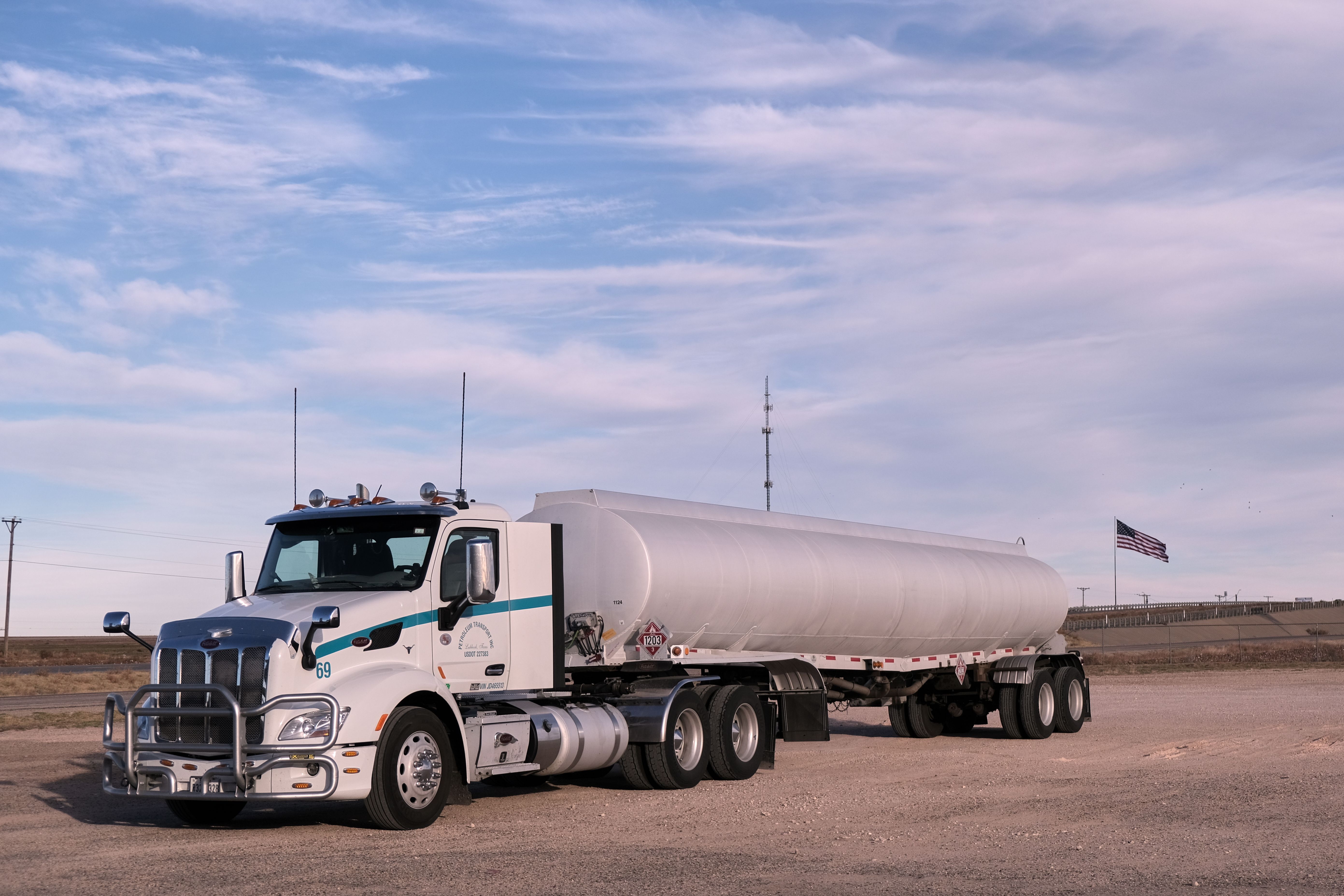
Illustrative fuel-transport archive; the photograph does not identify the sulfur content of its cargo or establish a vehicle’s eligibility. Alexander / Pexels; Pexels License.
Original source: U.S. Environmental Protection Agency, October 5, 2026.