TCI EXPO Opens Nov. 12: Prepare Your Truck-Upfit Brief
TCI EXPO opens November 12 in Fort Lauderdale. Bring a clear truck-upfit brief to compare equipment and service scope.
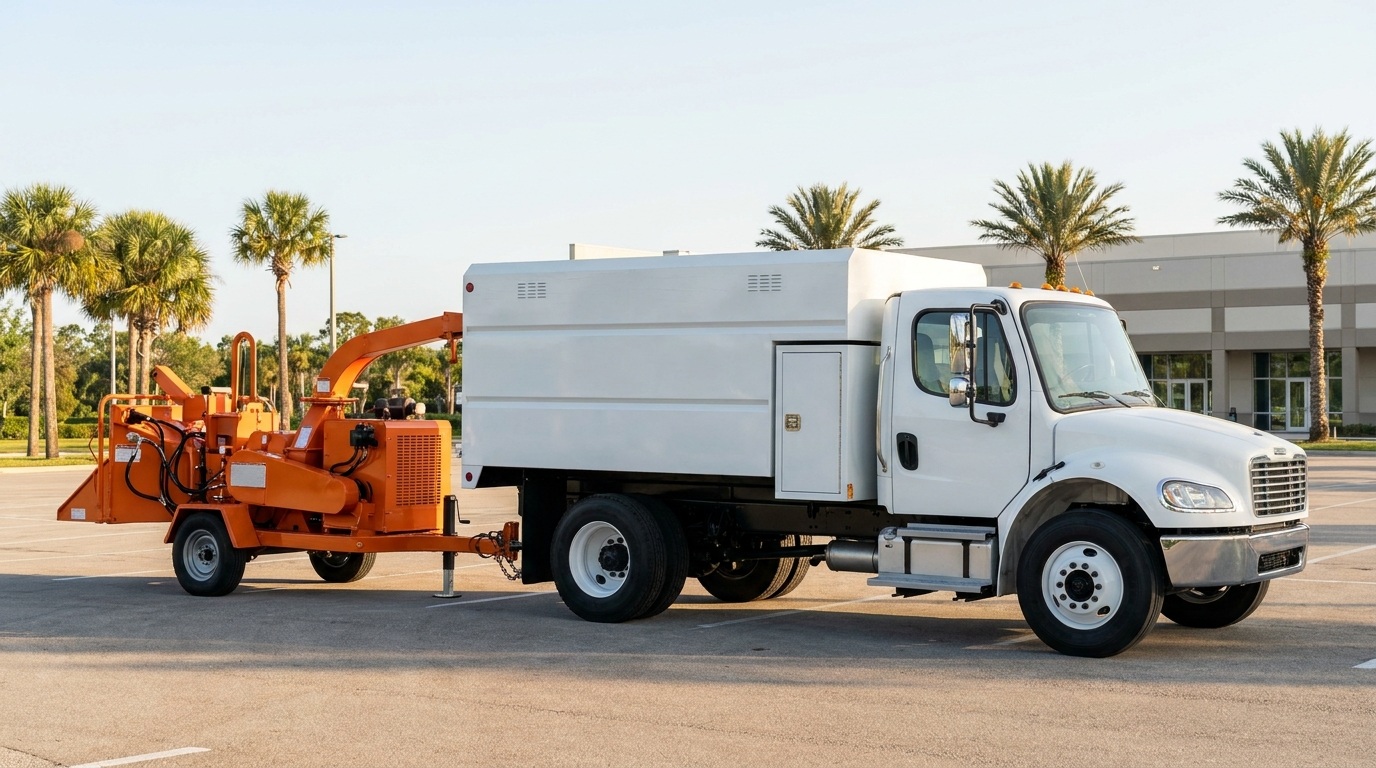
AI-generated editorial illustration; not a documentary photograph.
TCI EXPO’s trade show and conference run November 12–14, 2026, at the Broward County Convention Center in Fort Lauderdale, Florida. Pre-conference activity is November 11. For a small tree-care fleet, the useful preparation is a written equipment brief: what your truck must carry, tow and support before you compare an upfit.
Take a job description, not just a shopping list
Start with the work your current vehicle cannot perform well. Describe the crew, tools, material and trailer that travel together on a normal job. Then describe the demanding job you actually expect to accept. Keep those two cases separate. Buying around an imagined extreme can leave you comparing expensive capacity that the business rarely uses; buying around an empty demonstration vehicle can miss the load you carry every day.
Bring the current vehicle’s identification and manufacturer ratings, along with measured operating weights where available. A photograph of a truck on a show floor does not establish the available payload of your own configuration. Chassis, body, installed equipment and carried material must be considered together. Use the visit to request configuration-specific documentation rather than turning a sales description into a conclusion about what your vehicle can handle.
Ask the body supplier to define the complete configuration
Write down the exact chassis, body and installed equipment being discussed. Ask what is included in the quoted build and what would be supplied separately. A storage box, body lining, auxiliary equipment or other option can change the final configuration. Have the supplier distinguish an example on display from the vehicle proposed for your order, and request the documents that will identify the finished specification.
If the job involves a trailer, include its identification and expected loaded condition in the discussion. Do not assume a hitch’s advertised rating establishes the capacity of the combined vehicle. Ask the chassis and body suppliers to identify the applicable limits and any configuration-specific requirements in writing. This is an information-gathering checklist, not a technical approval to tow a particular trailer or operate a particular upfit.
Compare service access before comparing decoration
A vocational body is part of a working system. Ask who handles chassis service, body service and the installed equipment, and whether those responsibilities sit with different businesses. Establish how you would report a problem, identify a replacement component and obtain the relevant manuals. A clear division of responsibilities is easier to arrange before delivery than during a busy week when the crew needs the vehicle.
Look at the access needed for routine maintenance and ask the supplier to explain the approved service procedure. Record the manual reference rather than improvising an adjustment from a demonstration. For equipment that requires a trained operator, ask what training and documentation accompany delivery. Seeing machinery move at an event does not qualify a visitor to operate it or establish how it should be used on a jobsite.
Make two quotes answer the same question
Use a single comparison sheet for each supplier: configuration, included equipment, exclusions, delivery terms, service responsibilities and the documents still outstanding. Mark unknowns plainly. If one proposal includes a complete body installation and the other prices only a component, their totals are not directly comparable. Ask for the missing scope before treating the cheaper number as a saving. Keep financing discussions separate from the physical specification.
Add a realistic transition plan. Will the existing truck remain in use while a replacement is built? What written delivery information do you have, and which dates are estimates? Who checks the finished vehicle against the agreed specification? These questions do not establish that an exhibitor has stock or can meet your schedule. They help turn an interesting conversation into an offer the business can actually evaluate.
Use the official event information before you travel
Confirm the session, exhibitor and access details relevant to your visit directly with the organizer. An event’s overall dates do not mean every activity is available at every hour or under every admission option. Plan around the meetings and demonstrations that address your equipment brief. Avoid spending the visit collecting brochures for unrelated vehicles while leaving the operating question unanswered.
- Prepare a current-work case and a separate demanding-job case.
- Bring vehicle ratings and relevant measured weights.
- Request the precise build specification and all exclusions.
- Identify responsibility for chassis, body and equipment service.
- Record unanswered questions and follow-up documents after each meeting.
Keep the final decision separate from the excitement of the display. A useful visit leaves you with comparable written information and a short list of facts to verify, not an unsupported promise of more capacity or lower operating costs. For route-service planning around the trip, consult the Truck Savers News directory and confirm services directly before relying on them. Preventive planning starts before the equipment is ordered.
Original source: TCIA, official TCI EXPO 2026 information.