Super Duty Wipers: Confirm the Blade Lock
A new wiper blade still needs the correct attachment. Match the Super Duty procedure and confirm the lock before handoff.
A replacement wiper blade should leave a clear service question answered: was the correct attachment fitted and its retention checked before the pickup was handed back? Buying a new blade and documenting completed work are different steps. For a small fleet, connecting those steps helps the next driver understand what was actually serviced without guessing from a package or a recently cleaned windshield.
Use the procedure for the actual pickup
The front-blade section in Ford's 2025 Super Duty manual specifies an off vehicle, lifting by the arm rather than the blade, releasing the locking clip, protecting the glass from an unattached arm returning, and confirming that the replacement locks in place. Follow the complete applicable manual. These points do not establish a universal blade size, connector or procedure for every Ford pickup.
Before arranging service, identify the unit and the manual that applies to it. A familiar model name is not enough to verify a replacement part. Give the parts supplier or shop the vehicle information it needs, and ask it to confirm the application. This article provides a maintenance-planning framework; it does not certify a particular aftermarket adapter, package or installation on your truck.
Define what the service request includes
TSN suggests writing the request as a specific task rather than simply putting wipers on a shopping list. Identify whether you are requesting a front-blade inspection, replacement of a particular blade or investigation of a reported wiping problem. Leave the cause unassigned until it has been checked. A driver's observation is useful evidence for the request, but it is not automatically a diagnosis.
Keep any broader concern separate from the replacement task. A question about attachment is different from a question about operation, and a replacement receipt does not necessarily document both. Ask the person performing the work to explain what was checked and what remains unresolved. Do not describe a whole wiping system as repaired solely because a new blade was supplied.
Make the handoff more specific than installed
For an operation managing several units, a short service entry can record the truck, date, item supplied and person completing the work. Add the procedure reference and the actual completion check reported by that person. These are TSN documentation suggestions, not additional Ford requirements. Their value is practical: the next person can distinguish a purchased component from a completed and checked job.
A statement about fitment should come from the relevant part information or responsible technician. A statement about retention should describe the check actually performed. Preserve the answer without broadening it into a guarantee. If the person reporting completion cannot identify the application or confirmation step, the open question belongs on the handoff record rather than disappearing behind a general service-complete label.
A fleet example without an assumed diagnosis
Imagine an illustrative fleet with two similar-looking pickups. A replacement blade arrives for one unit, but the package is placed beside the other truck's work order. The person receiving the shipment should resolve the unit and part match before the service is marked complete. Nothing about the example establishes that those pickups share a connector or blade length.
If the assigned driver later reports a remaining problem, preserve that report and refer it to the responsible service person. Do not assume a specific mechanical cause from the purchase history. The useful record shows which unit received which item, what was checked and who can answer the follow-up. That is more actionable than a note saying someone recently bought wipers.
Keep nearby maintenance tasks distinct
A windshield-service visit can include several requests, but they should remain identifiable in the record. A washer-fluid top-up is not proof of blade retention. Likewise, an unrelated repair does not establish that the front blades were inspected. Ask for clear completion entries for the work you actually requested, using the fleet's existing process rather than inventing an elaborate new checklist.
When an item remains uncertain, ask the shop or responsible maintenance person to clarify it before treating the unit's service request as closed. This guide does not direct anyone to force a connector, improvise a repair or test a vehicle outside the manufacturer's instructions. The objective is a verified application and understandable handoff, with unanswered questions still visible.
The practical pre-handoff checklist
- Identify the pickup and applicable manual.
- Confirm the replacement application through the proper source.
- Keep the requested task separate from an assumed diagnosis.
- Record the actual attachment and completion checks.
- Preserve any remaining concern for service follow-up.
Read more pickup maintenance planning in Truck Savers News. The preventive action is to finish the part match and handoff check before closing the work order. A new component is most useful when the next driver knows what was fitted, verified and left for follow-up.
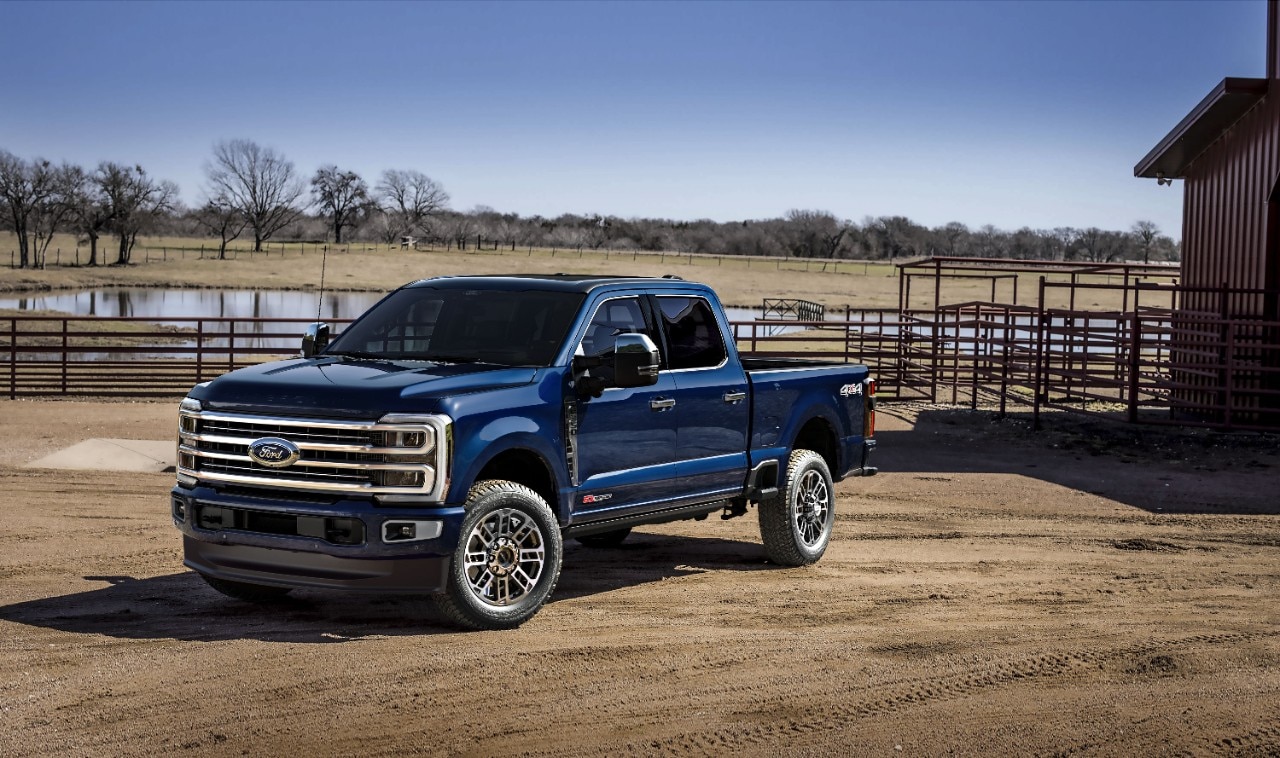
Official illustrative archive: 2025 Super Duty F-350 Platinum Plus. Ford Motor Company; supplied photograph unchanged for editorial use. The image does not verify a particular wiper installation. Photo source.
Original source: Ford 2025 Super Duty Owner’s Manual.