Super Duty Trailer Brakes: Mode Is Not Gain
Super Duty trailer brake settings do different jobs. Identify the brake type and active trailer profile before reviewing gain.
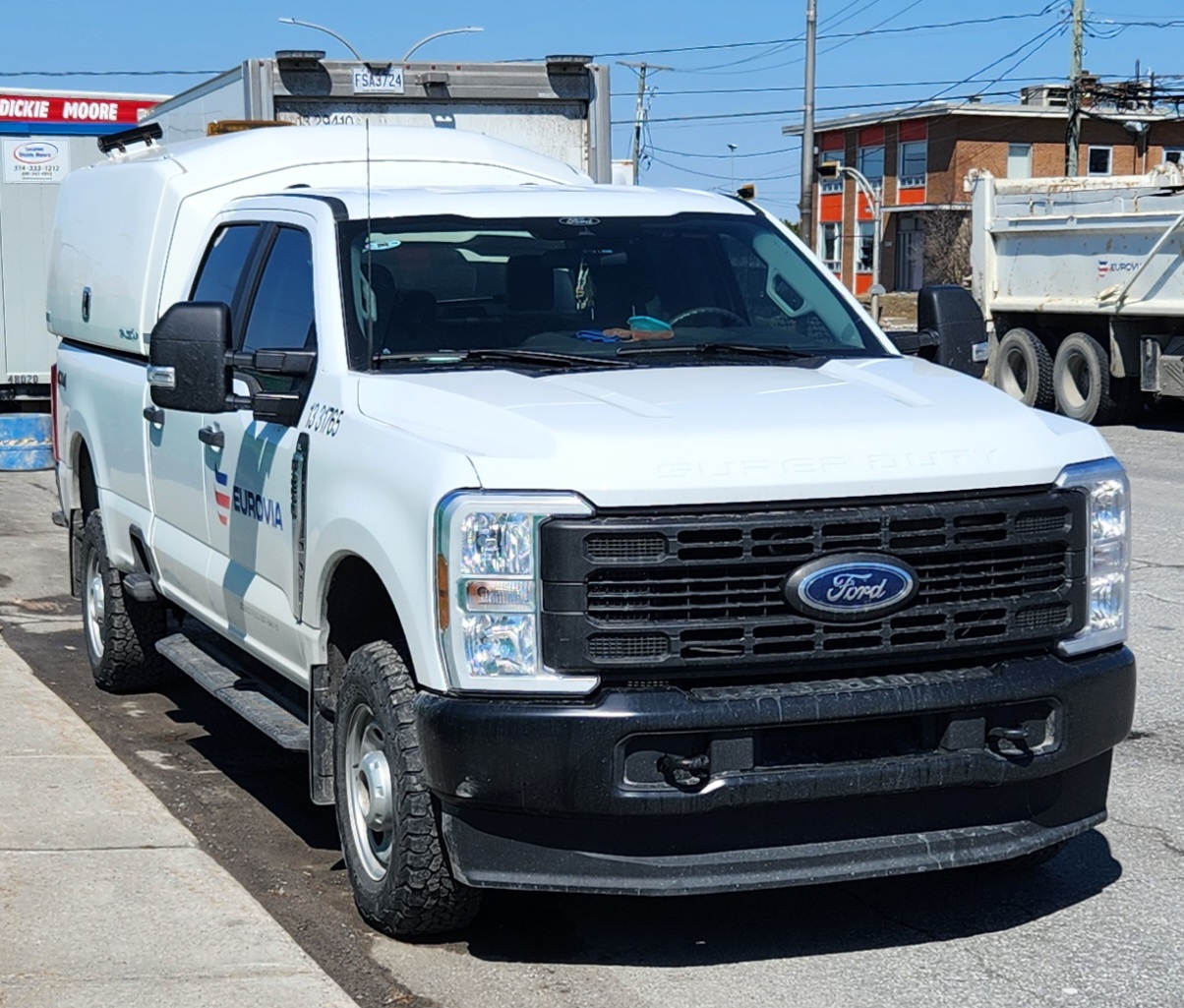
The number on a trailer brake controller does not tell the entire setup story. On a 2025 Ford Super Duty equipped with the integrated system, the owner’s manual distinguishes the trailer brake type, brake effort and gain. Before a different trailer or driver takes over, identify which setting the conversation is actually about.
This is an owner-manual reading guide, not a road-test procedure, a diagnosis of weak trailer brakes or a universal gain recommendation. It applies to the cited 2025 Super Duty material and equipment, not every Ford pickup or every aftermarket controller. The exact vehicle, trailer brake system and applicable instructions remain the starting point.
Start with the brake type, not somebody else’s number
In the mode-setting section, Ford distinguishes the Default selection for electromagnetic drum brakes from Electric over Hydraulic for electrically actuated hydraulic brakes. The section also explains that gain settings are saved to the active trailer profile. Selecting a familiar-looking profile therefore deserves attention when the physical trailer changes.
Imagine a hypothetical business that uses one pickup with two trailers on different days. A note saying “the brakes were set last week” leaves several unanswered questions. Which trailer was attached? Which profile was active? What brake system does that trailer have? Recording those facts helps the next driver bring a specific question to the responsible service provider instead of assuming the display number belongs to every combination.
The profile name itself is a fleet label, not evidence of compatibility or brake condition. A trailer could have been renamed, a different unit could be attached, or the person reading the screen could misunderstand the label. Match the record to the actual trailer identity and its documented brake system. Do not identify a brake type solely from the appearance of a connector or a photograph.
Effort and gain should remain separate questions
Ford’s mode section presents brake effort as a separate selection and describes Low as the default recommended for most trailers. That is not a universal gain value, an inspection result or permission to mask an unexplained braking problem with a more aggressive setting. Keep the manual’s terms intact when asking for help.
An effective shop request might identify the vehicle, the controller, the trailer, the selected profile and the exact symptom or message observed. Avoid replacing that description with a diagnosis such as “the module is bad” unless it has actually been established. A careful record does not repair the system, but it gives the person evaluating it a clearer starting point.
This article intentionally supplies no shared gain number, test speed or sequence for adjusting the controller on the road. The complete using and adjustment instructions include conditions and precautions that belong with the vehicle and trailer involved. Read the applicable material in full and have unresolved operation or equipment questions addressed before relying on the combination for a trip.
Make the trailer handoff specific
For an owner-operator working alone, the handoff may be between today’s job and the next one. For a small crew, it may involve purchasing, the person connecting the trailer and the driver leaving with it. A short equipment record helps prevent each person from assuming somebody else already checked the configuration.
- Identify the pickup by model year and the equipment actually installed.
- Identify the trailer and its documented brake system.
- Note the active trailer profile and distinguish mode, effort and gain.
- Keep service findings and unresolved messages with that equipment record.
- Confirm which complete manufacturer instructions the responsible person used.
This is a suggested editorial record, not a Ford-mandated form or proof of a completed inspection. Its purpose is to preserve the question and the equipment identity. If the trailer changes, the old note should not silently become approval for the new combination. If a service visit resolves a problem, keep the actual findings rather than only a message saying it is ready.
Do not confuse a setting change with a mechanical repair
A controller setting and a trailer’s physical condition are different parts of the towing task. The presence of a saved profile does not establish that the brakes are adjusted, working or suitable for the load. Equally, an unexpected feel at the pedal is not enough for this article to diagnose a controller, wiring or brake component remotely.
For the business owner, the useful purchasing question is what evidence supports the next action. Is someone asking for configuration confirmation, a documented inspection or a specific repair? Those requests need different answers. Keep the distinction clear when approving work, and do not treat an undocumented adjustment as proof that an underlying concern was resolved.
Open the vehicle-specific owner’s manual before the next trailer handoff. Read the controller sections together, identify the actual brake type and active profile, and bring unresolved questions to the appropriate qualified provider. The goal is a repeatable equipment review, not finding a single number to copy from another driver’s truck.
For broader vehicle maintenance, review The Truck Savers™ service information and confirm the scope of any requested work. This note does not claim that a particular shop installs or programs this controller.
Photo credit: Illustrative archive photograph of a 2023–2025-generation Ford F-250 Super Duty, April 8, 2026, Bull-Doser, public domain, via Wikimedia Commons. Original reproduced without alteration. The individual model year and installed controller are not established by the photograph; no relationship with the pictured business is implied. Wikimedia Commons.

Original source
2025 Ford Super Duty Owner’s Manual: integrated trailer brake controller mode.