Super Duty Output Rises: Confirm Your Delivery Plan
Ford built 110,275 Super Duty trucks in Q3. Higher output does not confirm the delivery date of your chosen configuration.
Ford reported third-quarter production of 110,275 Super Duty trucks, a 4.4% increase from a year earlier. The figures appear in the manufacturer's October 2 sales update. For a small business considering a work pickup, the result is useful market context. It is not confirmation that a particular engine, cab, chassis or equipment combination is available at a nearby dealer, or that an individual order will arrive on a certain date.
Keep production separate from the purchase you need
A production report and a sales report answer different questions. Before using a number in a purchase decision, keep the measure, model scope and reporting period beside it. Do not combine output for one vehicle line with broader sales figures to calculate the number of suitable pickups ready for your operation. The useful comparison is between the documented unit being offered and the assignment it must perform.
The buyer's next question is more specific than the headline: what truck is actually being offered, in what configuration, and with what documented delivery status? A larger production total does not answer those questions. Ask for an itemized description of the proposed vehicle and keep it beside the written availability statement. That pairing makes it possible to spot a substitution instead of treating any truck bearing the model name as the one the business requested.
Start with the work assignment
Write a short description of the job before comparing quotations. Identify the intended cargo, trailer, occupants, body equipment and ordinary operating conditions using the business's own information. Separate must-have requirements from preferences. This list is a purchasing tool, not a capacity calculation. It helps the supplier understand what needs verification and gives the buyer a stable reference when different vehicle descriptions arrive.
For a truck that will receive equipment after purchase, keep the vehicle proposal and the equipment proposal in the same review packet. Identify which party is responsible for each stage and request the information needed to assess the completed combination. Do not substitute a general model headline for the relevant specifications. This news report does not verify payload, towing capacity, body suitability or legal operation for any individual build.
Ask what the delivery date represents
A proposed date needs a label and a source. Ask the supplier whether it refers to a vehicle already identified, an estimate, or a later stage in the purchase process. Keep the answer in writing with the date it was provided. A general statement about quarterly production should not be placed in the file as evidence that the business's own vehicle has reached that stage.
Also separate vehicle arrival from readiness for the intended job. If the operation expects an inspection, equipment installation or another preparation step, record who will perform it and what remains unconfirmed. Avoid booking work on the assumption that every step will finish together. A clear list of pending items gives the business something concrete to review with the supplier as the expected date approaches.
Compare offers without changing the reference truck
Keep the configuration attached to every quotation. Record the model year, vehicle description and included equipment as stated in the offer, then list exclusions and unresolved questions. If the supplier proposes a different unit, create a separate comparison rather than replacing the original description silently. The business can then decide whether the alternative still suits the assignment after its specifications have been checked.
Use actual written amounts and conditions when evaluating purchase or financing terms. Ford's production report is not a discount announcement for the truck under consideration. It does not establish the buyer's rate, payment, trade allowance or total operating cost. Leaving an unknown item blank is better than filling it with an assumption drawn from a national headline.
Keep a fallback plan in the operating budget
For a replacement vehicle, write down how the business will cover work while the purchase remains pending. Review the existing vehicle's condition through the appropriate service process and record any temporary arrangement using confirmed terms. This is a planning exercise, not a recommendation to keep a vehicle operating regardless of its condition or to enter a rental agreement without reviewing it.
Update the plan when a supplier provides new information. Preserve the earlier record so the reason for a changed work date remains visible. A small fleet benefits from knowing which facts are confirmed and which expectations still need a decision; the factory's quarterly output is only one piece of the broader picture.
- Save the October 2 production report as market context.
- Identify the exact proposed vehicle and its equipment.
- Request a written explanation of the delivery estimate.
- Separate arrival from completion of preparation work.
- Compare quotations against the same job requirements.
- Keep a confirmed alternative for work that cannot wait.
Read more practical operator guides at Truck Savers News.
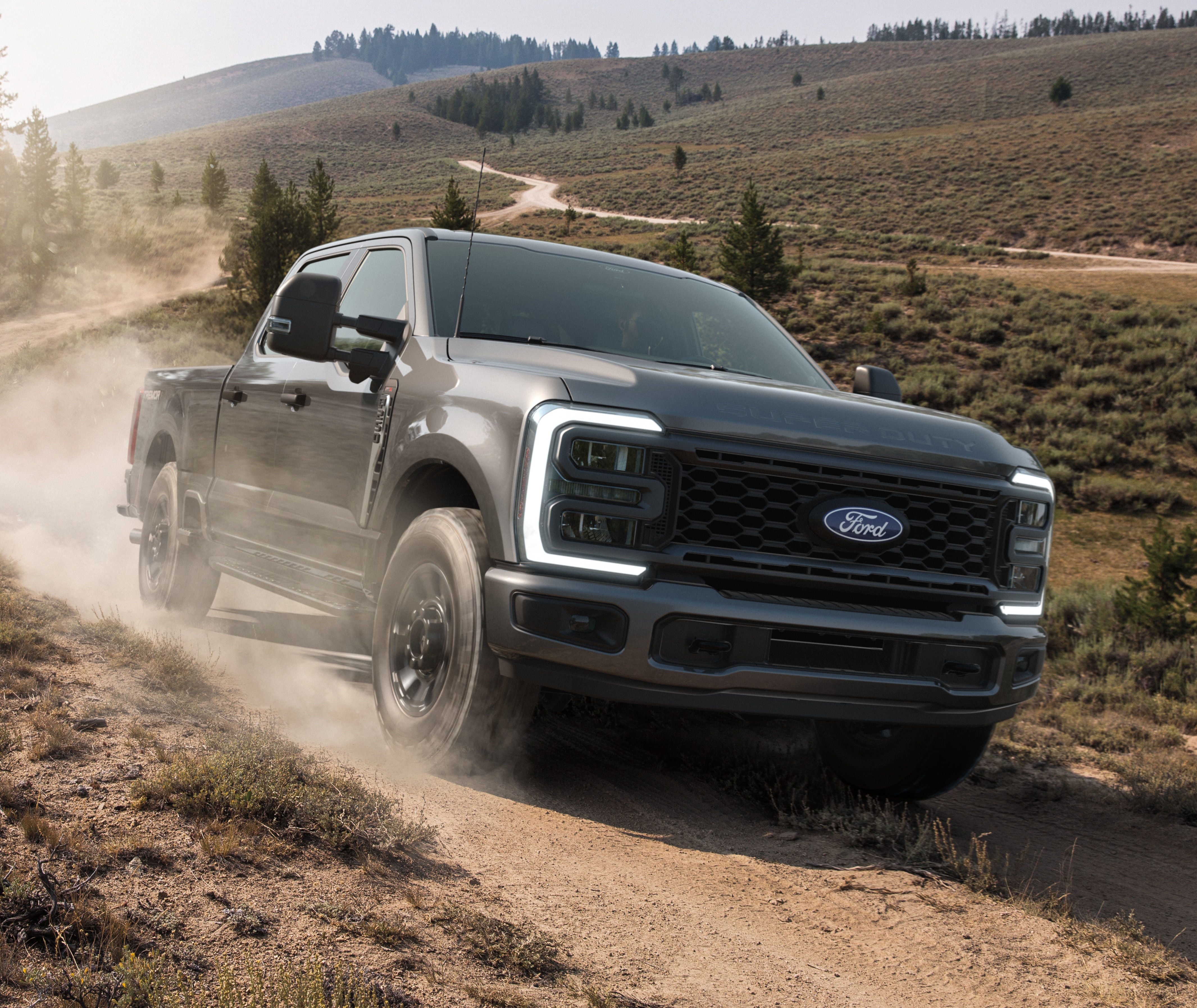
Ford reference image: 2027 Super Duty F-250 XL Crew Cab with optional equipment. It does not identify a truck produced or sold in Q3. Image: Ford, editorial use.
Original source: Ford Motor Company. Reviewed October 14, 2026.