Super Duty Headlights: Prepare the 26C43 VIN Check
Super Duty recall: prepare your vehicle-specific follow-up. Keep the campaign and October lookup date in one service record.
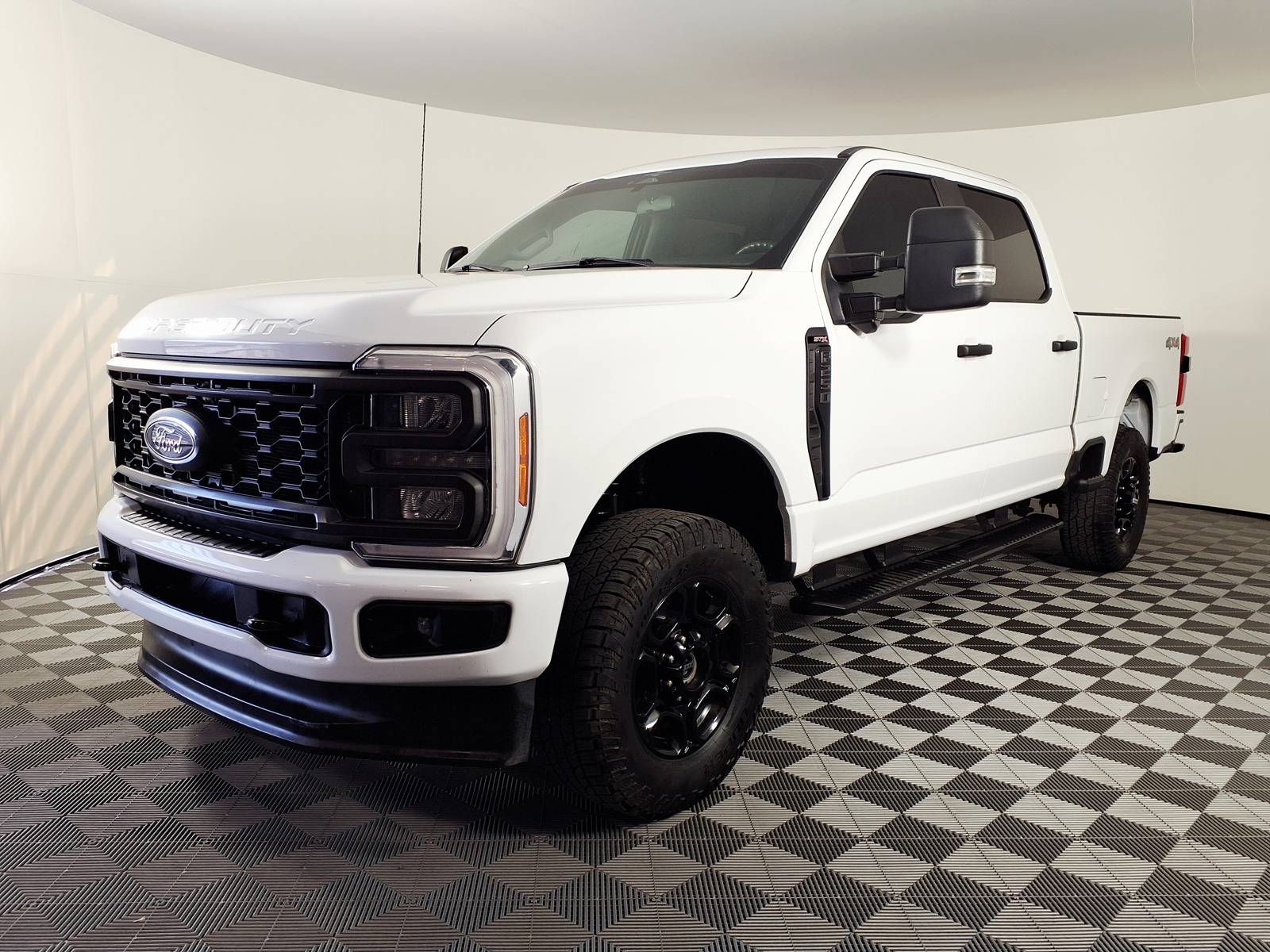
A Super Duty headlight recall deserves a vehicle-specific check, not a conclusion based on the badge. For a small fleet, the immediate task is to identify the unit, keep the campaign references together and prepare a follow-up when the announced VIN search becomes available. The distinction matters because a model mentioned in a campaign is not the same as confirmation that every truck carrying that name is included.
What campaign 26C43 covers
NHTSA campaign 26V606000, received September 22, 2026, identifies certain 2026 Ford F-250 SD, F-350 SD, F-450 SD and F-550 SD vehicles, plus certain 2025–2027 Expeditions. Ford's campaign number is 26C43. The reported population is 41,748 vehicles across the entire campaign; that is not a count of F-250 pickups alone.
The official summary describes a contaminated LED chip in headlight assemblies that may lead to loss of daytime running lights, parking lights, high beams or low beams. Reduced visibility is the relevant operating concern. The published remedy is dealer inspection and replacement of assemblies where needed, free of charge. This article offers no procedure for opening a lamp, diagnosing its electronics or deciding whether a particular truck is safe to dispatch.
Keep the October 26 date in its proper place
The campaign record says owner letters are expected to be mailed October 26, 2026, and involved VINs will become searchable through NHTSA beginning that date. As of this October 11 review, that milestone is still ahead. An expected mailing date does not guarantee that a letter will arrive on the same day, and it is not a confirmed service appointment.
Record the announced date as a follow-up task rather than telling a colleague that the new VIN list is already available. Recheck the official information when that date arrives. If a search or dealer conversation leaves applicability unresolved, preserve the unanswered question. Do not translate missing confirmation into an assurance that the vehicle is excluded.
Build one record for each unit
Start with the VIN and the model year recorded for the vehicle. Add the fleet's unit identifier so that the person receiving the note can locate the correct truck. A nickname such as “the white Ford” is convenient in conversation but weak as the only identity on a work request, especially when several similar pickups share a yard.
Keep both campaign references in the same note: Ford 26C43 and NHTSA 26V606000. They describe the same recall using different systems. Write the date and origin of the information beside them. This editorial checklist is a way to organize communication; it does not add a manufacturer requirement or establish eligibility for a specific vehicle.
Separate a question from a completed repair
Consider a hypothetical fleet with two Super Duty trucks and a dispatcher passing the issue to maintenance. A useful handoff identifies which VIN is being reviewed, who will ask the dealer about applicability and where the response will be saved. A forwarded headline without a unit identity leaves those responsibilities unclear.
Use distinct fields for applicability, appointment and completion. A conversation about an appointment is not evidence that inspection happened. Likewise, a repair document for another unit does not settle this truck's status. Keep the dealer's actual response or relevant work record with the matching vehicle instead of relying on a general message that says the fleet has handled the recall.
If the dealer needs additional information or cannot yet provide a date, mark that item as pending and assign a follow-up. This guide does not promise parts availability, turnaround time or an automatic replacement for every unit. The campaign calls for inspection and replacement as necessary; the responsible service channel must establish what applies to the vehicle.
A practical follow-up checklist
- Identify the VIN, model year and internal unit number.
- Save Ford 26C43 and NHTSA 26V606000 together.
- Label the source review date and the announced October 26 milestone.
- Assign the person who will verify vehicle-specific applicability.
- Record appointment information separately from completed work.
- Keep unresolved questions visible until a documented answer arrives.
For an owner-operator, the same structure can fit a single maintenance note. There is no need to turn it into a complicated fleet database. The useful feature is traceability: on the next review, the owner can see which truck was discussed, what was actually confirmed and what action remains open.
Read the photograph as an illustration
The image accompanying this guide shows a 2023 F-250 Super Duty, not a verified vehicle from the affected 2026 population. It illustrates the model family only. A similar grille or lighting appearance cannot establish recall coverage, and this archive photograph does not show a lamp defect. Keep the campaign's stated model years and vehicle-specific confirmation separate from the illustration.
Before closing the task, make sure the next person receives the identification, campaign references and outstanding question together. A clean handoff helps prevent an expected future lookup, an appointment request or an unrelated repair from being mistaken for completed recall work. Follow the manufacturer's current guidance and use the authorized service channel for the vehicle's actual condition.
Illustrative archive photo: 2023 Ford F-250 Super Duty XL STX, photographed August 25, 2026; HJUdall / Wikimedia Commons, CC0. Resized and JPEG re-encoded. Not an identified vehicle included in this recall.
Explore more vehicle planning guides at Truck Savers News.