Super Duty DEF: A Frozen Tank Can Delay the Level Reading
A cold DEF refill may not register immediately. Check the 2025 Super Duty guidance before adding more fluid to the tank.
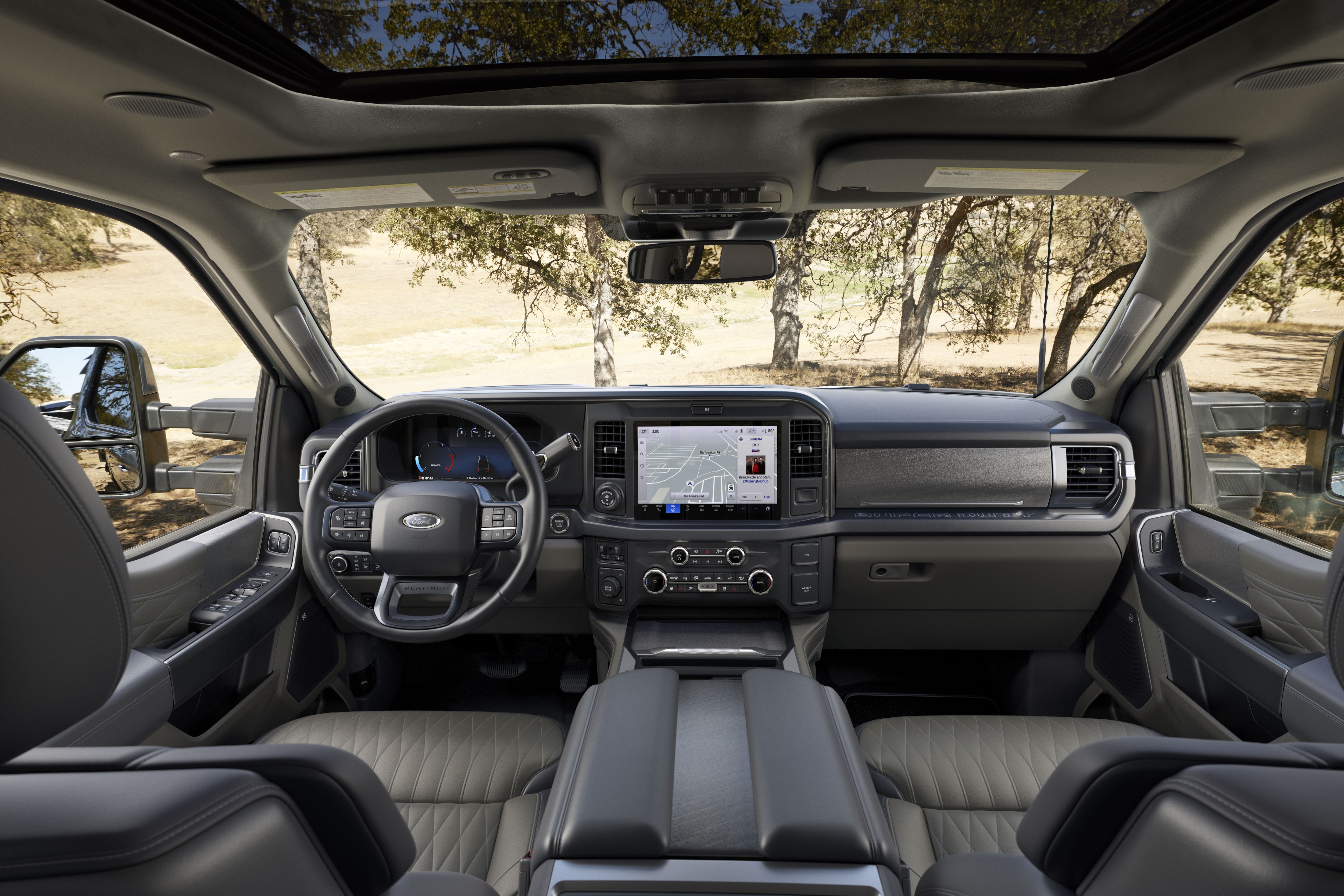
Illustrative 2025 Ford F-350 press photograph: Ford Motor Company. Official model announcement and image. Unmodified; no frozen tank, fault or specific engine equipment is established by this photograph.
A DEF level that does not immediately rise after a cold-weather refill can tempt a pickup owner to keep adding fluid. The 2025 Ford Super Duty manual explains why that response deserves a pause: frozen fluid can delay recognition of a refill, and overfilling creates a separate problem. Read the cold-weather instructions before treating a delayed indication as an empty tank.
Ford identifies 12°F, or minus 11°C, as the temperature below which DEF may freeze. Its explanation distinguishes the truck’s preheating provision from a vehicle left unused in freezing conditions. The manual says the level updates after thawing and warns that an overfilled tank can be damaged when its contents freeze.
Record the message before changing the story
Begin with what the display actually says. Note the time, the outside conditions you observed, whether a refill was attempted and the amount shown on its receipt. An observation such as “the indication did not change immediately” is more useful to a service provider than a conclusion such as “the sensor has failed.” Preserve the difference between a symptom and its diagnosis.
Imagine a hypothetical work pickup parked through a cold weekend. On Monday, one employee adds DEF and another reads the same indication shortly afterward. Without a shared record, the second person may assume no fluid was added. A dated note and the receipt help the office avoid two people acting independently on the same unresolved observation.
Use the applicable cold-weather section
The source for this guide is the 2025 Super Duty owner’s manual, not a universal rule for every diesel vehicle. Match model year and equipment before following the full refill guidance. Ford also discusses a drive-cycle timing recommendation in that section. Read it in context, including the other operating instructions, rather than converting it into a timer that guarantees an indication will change.
If your truck has a different year or a different system, locate its own document. The same blue-cap fluid name does not establish an identical gauge response or troubleshooting routine. Keep a copy of the applicable page with the truck’s maintenance file so the person answering the service call can identify the exact instruction being discussed.
Do not use the gauge as a measuring container
A display is information about the system; it is not a request to keep pouring until a particular picture appears. Ford’s cold-weather explanation is a reason to consult the complete filling instructions when recognition is delayed. This article does not specify a universal refill quantity, authorize filling beyond the prescribed limit or diagnose a particular vehicle from a dashboard photograph.
For a hypothetical small fleet, make one person responsible for documenting a refill and another responsible for reviewing unresolved messages with the appropriate service provider. The purpose is clear ownership of the task. A second employee should be able to see what was already done without having to guess from the gauge or open another container to find out.
Keep operating restrictions separate from the explanation
A general explanation about frozen fluid does not cancel a warning displayed by the truck. Read the actual message and follow the applicable instructions. If the condition remains unresolved, obtain vehicle-specific support. Do not label every DEF warning a normal cold-weather delay or promise a driver that a certain distance will make it disappear.
Dispatch can record two separate facts: the reported condition and whether the vehicle is confirmed available for its assignment. If availability has not been established, leave it unconfirmed. An expected delivery time at a customer site is not evidence about the pickup’s operating condition. This separation gives the office an honest basis for discussing the job without inventing a repair outcome.
Build a useful service-call packet
Provide the vehicle identification number, model year, exact message, observation times and refill record. Include what happened before and after the observation without editing the sequence to fit a favorite explanation. Ask which further information the service provider needs and which current instructions govern the next action. Keep the answer with the same maintenance event.
- Which exact vehicle and system are being discussed?
- What was displayed, and when was it observed?
- What amount was added, by whom and at what time?
- Which manufacturer instruction was followed?
- What remains unresolved before the next assignment?
These are TSN’s recordkeeping questions. They are not a diagnostic procedure or a new manufacturer checklist. Avoid including passwords, personal information or unrelated customer records when sending the packet. Share only the vehicle and maintenance information needed through the service provider’s established channel, and retain the response rather than relying on a remembered telephone summary.
Compare the actual cost of the interruption
Use your own invoices and scheduling records to distinguish fluid purchased, service authorized and work time affected. Do not call all of those entries a repair cost before the outcome is known. A clearly marked hypothetical comparison can help: two proposed arrangements may have different availability dates even when their initial quotes look similar. Confirm the scope before choosing between them.
After the issue is addressed, record the verified outcome and the document supporting it. A changed display, a service invoice and a confirmed diagnosis are different pieces of evidence. Keeping them distinct improves the next handoff and prevents a future driver from inheriting a note that overstates what was actually established about this pickup.
Prepare the support route before a cold trip
Start with Truck Savers Finder to research service businesses along your route, then verify their vehicle-specific capabilities directly. A listing does not establish Ford authorization or DEF-system service. The useful winter habit is to document the refill, follow the right manual and resolve the operating condition before turning a delayed indication into another unmeasured fill.
Original source: Ford, 2025 Super Duty Owner’s Manual, filling the DEF tank in cold weather. Scenarios, office workflow and cost-review suggestions are TSN editorial guidance.