Super Duty: Check Trailer Lights Before the Next Trip
Super Duty trailer lights need a check on the actual trailer. Confirm equipment and record what illuminates before the next trip.
A trailer-light check is only useful when someone observes the lights on the trailer that will make the trip. Finding a towing menu on a pickup's screen is a different fact. For operators using an equipped Ford Super Duty, the manufacturer's light-check feature can help organize that observation. The practical issue is keeping the truck, trailer, feature availability and recorded result connected, especially when several drivers share the same pickup or trailers change during the day.
What Ford documents
The 2025 Super Duty owner's manual describes a light-check sequence available through the vehicle's SYNC screen or Ford app. It requires a vehicle with trailer capability and an electrically connected trailer. The manual also warns against connecting trailer-lamp wiring to the vehicle's taillamp wiring and directs installation questions to an authorized dealer. Confirm applicability in your own manual; a model badge or photograph does not establish equipment.
Name the combination before checking it
Our editorial recommendation is to begin the record with the pickup unit number and the trailer identifier. Add the date and person carrying out the check. Those fields prevent a useful observation from becoming detached from the equipment it describes. A note from yesterday's trailer does not tell the next driver what was observed on a different trailer attached this afternoon.
For a one-truck business, the identifier can be the name or number consistently used in its own equipment records. The goal is to avoid ambiguity, not to create a complicated administrative system. If trailers are rented, record the rental unit reference. If a trailer has recently returned from a shop, keep its paperwork available so observations and any requested follow-up concern the same unit.
Use the actual vehicle's instructions
Read the relevant instructions while planning the check, with the vehicle safely parked and secured. Confirm that the feature is present and the prerequisites are met before expecting a sequence to run. Follow the current vehicle or app prompts rather than a screenshot from another model year. If the feature is unavailable, that is a finding about the attempted method, not proof that the trailer's lights work.
Do not spend the departure window trying random account changes or improvised wiring to make a menu appear. Record what prevented the check and use the applicable inspection process or qualified help. This guide does not provide electrical installation instructions. It also does not claim that an app command proves that every lamp illuminated where it should; the physical observation remains the purpose of the exercise.
Write down what you saw
A useful note describes the result without overstating it. Identify the lamp or position that did not behave as expected, if any, and distinguish an interrupted check from a completed observation. A button press, a finished animation and an observed lamp are separate events. Keeping that distinction in the record gives the next person a clearer question to investigate.
For example, a worksheet might offer fields for the method used, whether the sequence completed, the positions requiring attention and the person assigned to follow up. This is a suggested record format, not a Ford inspection form or a legal certification. Avoid prefilled statements that automatically mark the trailer acceptable simply because the operator opened the towing screen or started a feature.
Keep repair and departure decisions separate
A failed observation does not identify whether a lamp, connector, vehicle setting or another component is responsible. Report the actual condition and obtain the appropriate diagnosis. Do not substitute guessed parts or improvised connections for the correct process. The person arranging the trip needs to know whether an issue remains open, who owns it and what confirmation is needed before the equipment can be used.
- Record the pickup and trailer identities for this combination.
- Confirm the manual and installed feature apply to the vehicle.
- Use the required electrical connection and follow the actual prompts.
- Observe the trailer lamps rather than only the screen.
- Record incomplete checks and unexpected results accurately.
- Assign follow-up and retain the outcome with the equipment record.
Make the handoff easy to understand
Before passing the keys, communicate the result in plain language. If someone else resolves a reported condition, add that person's verified completion record instead of deleting the original observation. The next driver should be able to see what changed. Keep this light check separate from other towing checks: it does not establish load limits, coupling condition, brake performance or the suitability of the complete combination. Its value is a specific, traceable observation before the next trip.
Read more TSN maintenance and operating coverage.
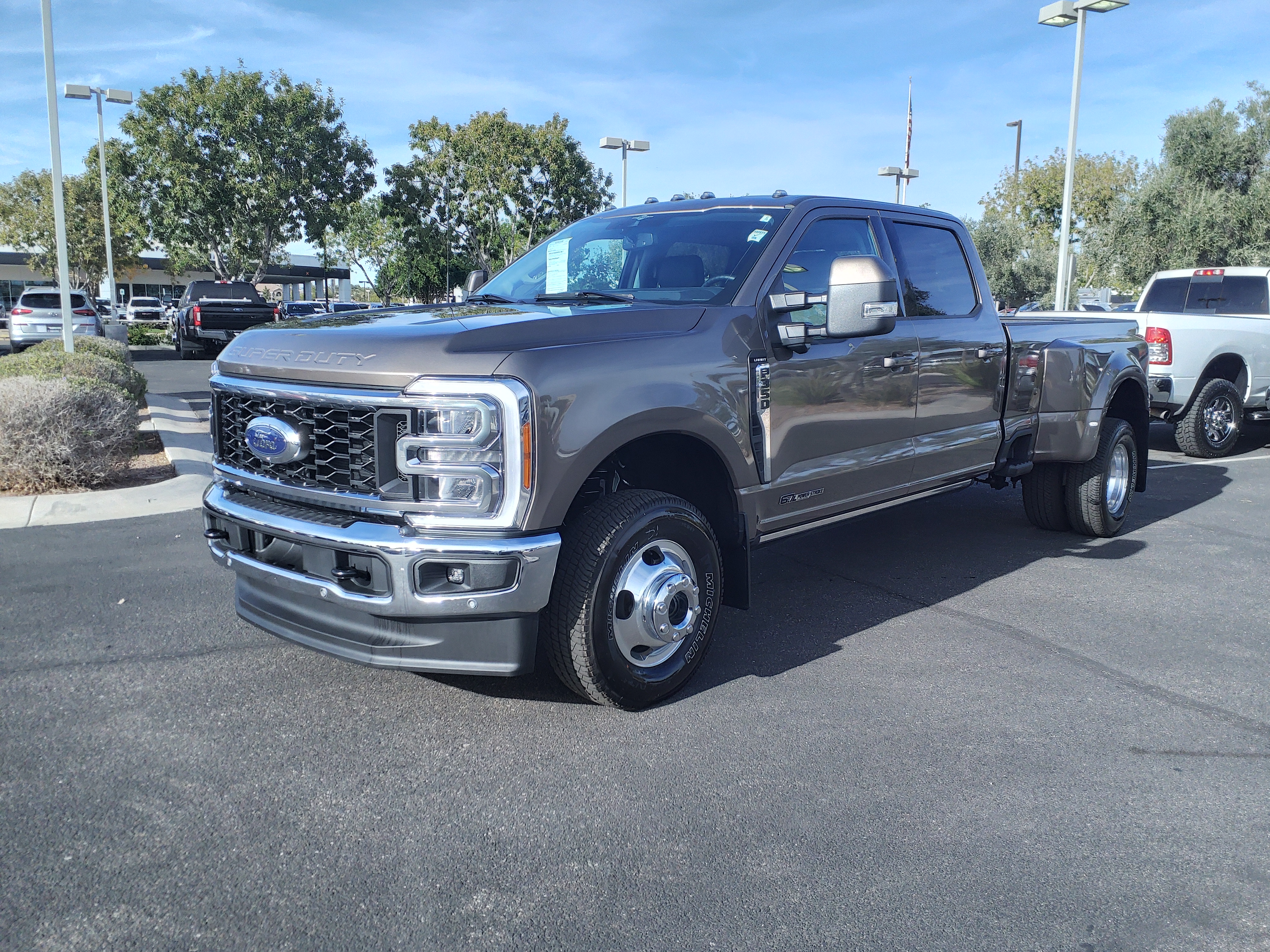
Illustrative archive: 2023 Ford F-350 Super Duty; the feature discussion refers to the 2025 manual, not equipment verified on the photographed vehicle. Photo: HJUdall, CC0 1.0. Unmodified.
