Super Duty Air Filter: Record the Restriction Check
Super Duty air filter checks need a record. Separate inspection from replacement when a work pickup operates in heavy dust.
A work pickup can spend one week on paved roads and the next entering dusty job sites. A maintenance note that says only “air filter checked” does not explain what was observed, which vehicle was inspected or whether the next check was arranged. For the 2017 Ford Super Duty with the 6.7-liter diesel, the manufacturer's restriction-gauge guidance gives a fleet a specific observation to record.
Keep the model and engine attached to the instruction
Ford's 2017 manual calls for checking the gauge during general underhood maintenance or at least every 7,500 miles. In extremely dusty operation, the check becomes at least every 500 miles or two weeks, whichever arrives first. Replacement is indicated when the reading approaches the change-filter line and the gauge is yellow; reset follows installation of a new element.
These are instructions for the identified vehicle, not a universal interval for every diesel pickup. Confirm the manual supplied with the truck, its engine and the installed intake equipment before adopting a fleet checklist. If an earlier owner changed the intake assembly, ask a qualified service provider which instructions now apply rather than transferring a number from a different system.
A check is a separate task from a replacement
The distinction matters when someone enters a recurring task into a maintenance calendar. The short dusty-operation interval describes an inspection. It should not automatically generate a parts order every time it comes due. Conversely, recording that the hood was opened is not enough to establish that the relevant indicator was actually observed.
TSN recommends separate fields for the observation and the service decision. One can contain the date, odometer, vehicle identifier and what the gauge showed. Another can record whether service was required, who assessed the result and what work was completed. That makes the next person's job easier without pretending that a spreadsheet can diagnose the intake system.
Understand why unnecessary handling matters
Filter manufacturer Donaldson explains that opening the housing and removing an element can expose the clean-air side to contamination and create installation errors. It recommends using restriction measurements and respecting the engine manufacturer's limits. That general filtration guidance supports careful observation; it does not replace Ford's instructions or establish a new limit for this pickup.
For an operator, the useful question to bring to the shop is therefore specific: what observation supports the proposed service? Ask for an explanation in the context of the installed equipment and operating conditions. A shop may identify another legitimate reason for service, but the work order should describe it rather than leaving the decision as an unexplained routine replacement.
Write a handoff another driver can use
A practical inspection record needs no complicated software. Use the fleet's existing maintenance system or a shared vehicle log. Record the truck number, date and odometer together, followed by the observed indicator condition and the person who checked it. If a photograph is useful, keep it with that entry so it is not confused with another vehicle's inspection.
When a check leads to service, add the installed part identifier, service date and the technician's completion note. If no replacement is called for, assign the next review according to the applicable manual and conditions. An empty result should remain an incomplete task, rather than becoming a completed inspection merely because a reminder was dismissed.
Consider a pickup shared by two crews. The first crew may know that it spent several days at a dusty site, while the second sees only the weekly mileage. A brief operating-condition note gives the next checker the missing context. This is a suggested handoff practice, not evidence that a particular truck needs a filter today.
Keep questions and symptoms together
If a driver reports an operating concern, retain that report alongside the maintenance observation and have qualified personnel evaluate it. Do not attribute every change in performance to the air filter based on the calendar alone. The record should help a technician understand the sequence of events, without replacing inspection or a vehicle-specific diagnosis.
Before the next service appointment, review whether the shop can identify the exact truck, the applicable instructions and the last completed check. A concise record containing those facts is more useful than repeated entries with no readings or dates. The purpose is a repeatable maintenance decision supported by the right information.
Read more pickup maintenance explainers at Truck Savers News.
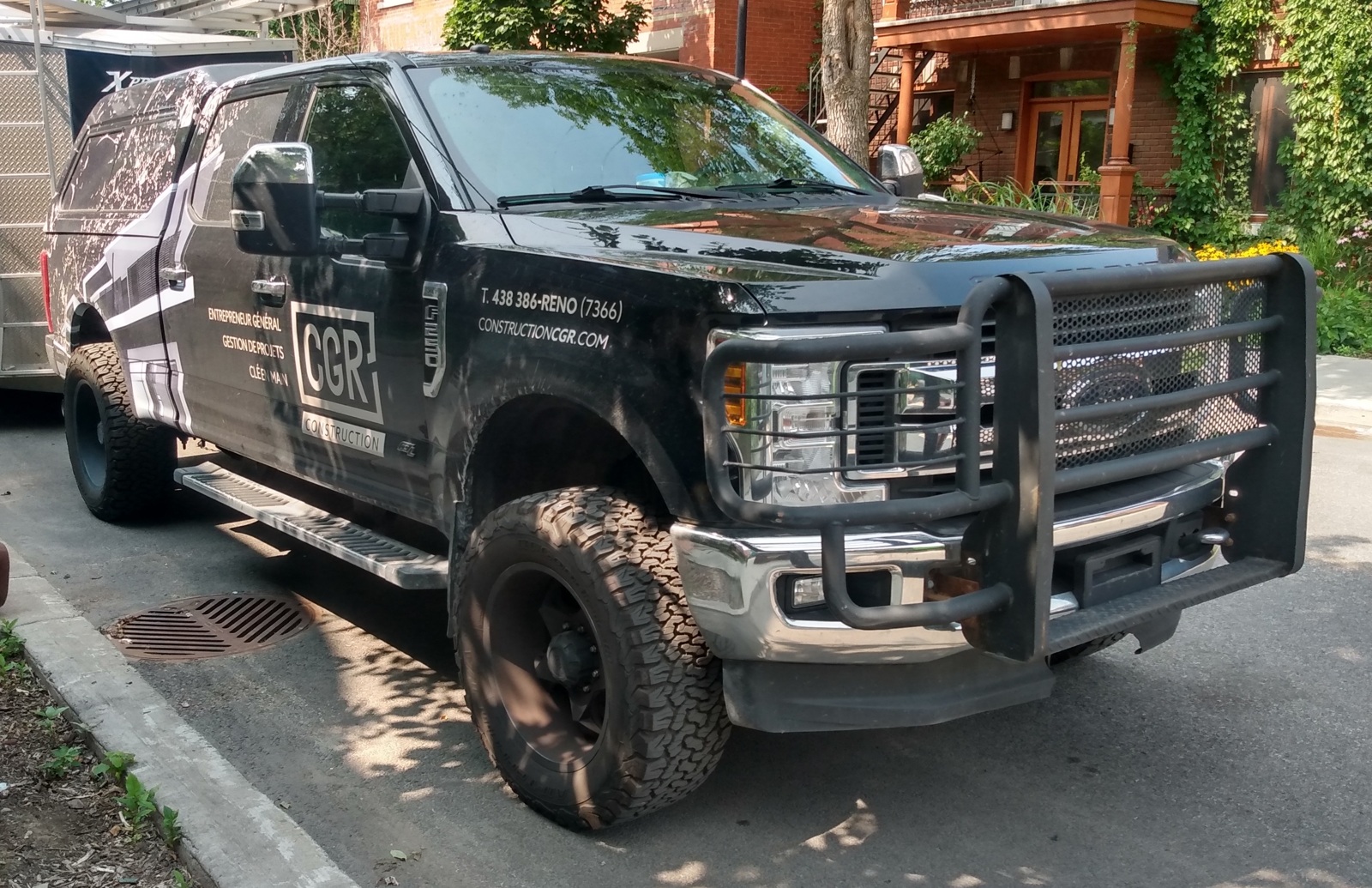
Illustrative archive photo: a 2017–2019 F-250 photographed by Bull-Doser, Wikimedia Commons, public domain; resized. The photo does not document the engine, intake or service condition discussed.

Sources: Ford's 2017 Super Duty manual and Donaldson's restriction-service guidance.