Spot Market Rates Rebound 7% in Early June, DAT Reports
Spot market truckload rates are rebounding in early June, giving owner-operators a chance to protect margins if they manage fuel, maintenance, idle time and lane selection carefully.
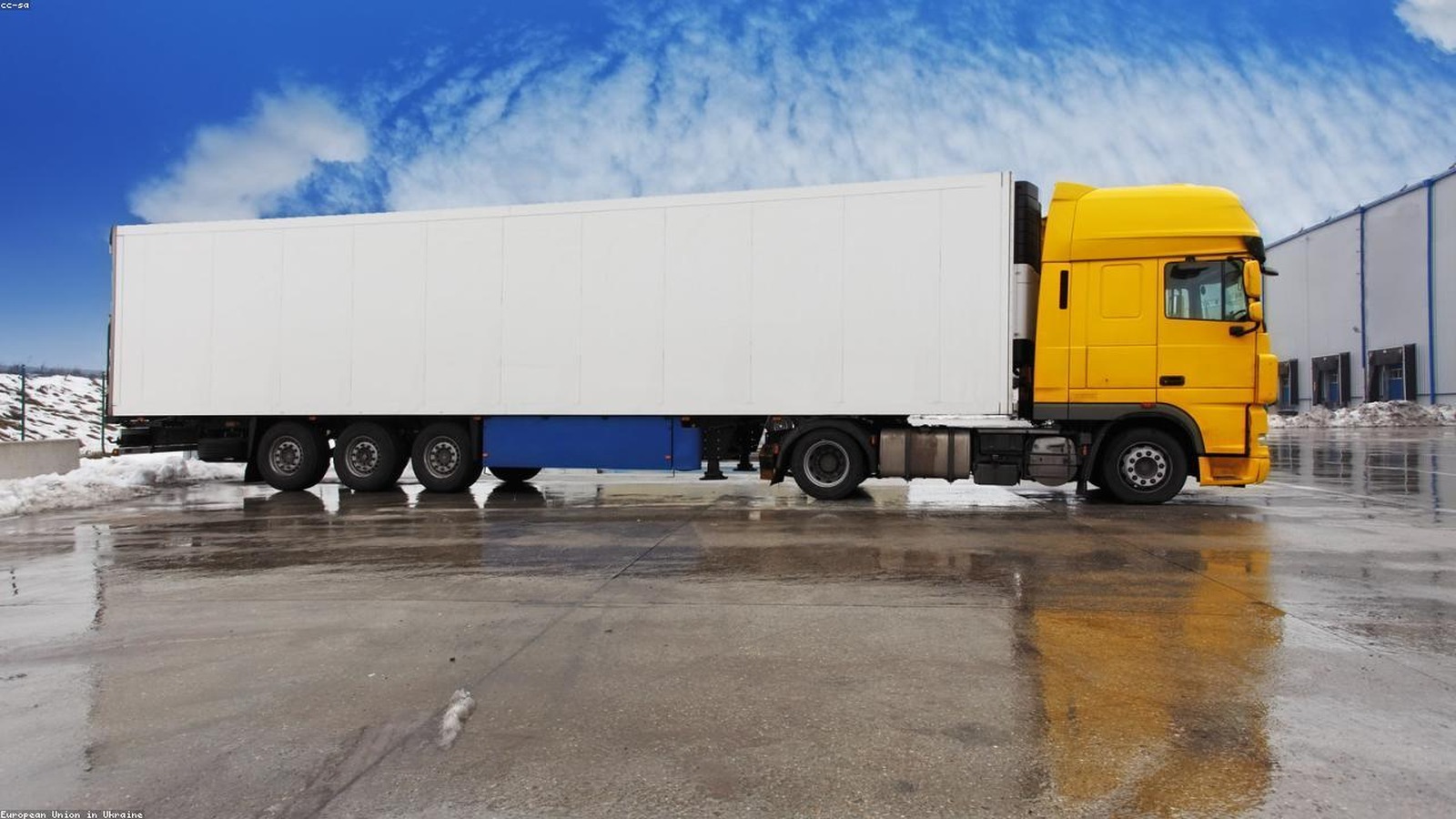
Spot market truckload rates are showing signs of recovery in early June, with DAT reporting stronger pricing across several lanes. For owner-operators, the rebound is welcome after a long period of soft freight demand and pressure on per-mile revenue.
Dry van rates near $2.31 per mile and reefer rates around $2.67 per mile do not automatically guarantee profit, but they give independent drivers more room to negotiate. The key is understanding which lanes are truly profitable after fuel, insurance, maintenance, tires, tolls and deadhead miles.
Why a rate rebound does not solve everything
Rates can rise while costs rise at the same time. Diesel, tires, insurance and repairs have all become more expensive. That means a higher linehaul rate may only restore margin instead of creating new profit. Owner-operators should compare each load against current cost per mile, not last year's numbers.
Reefer and Midwest lanes may offer better opportunities, but every market is uneven. Some regions still have too much capacity, and some brokers are slower to adjust pricing. Drivers who know their numbers will be able to reject freight that looks good on the board but fails after expenses.
Maintenance readiness matters when freight improves
When better loads appear, downtime becomes more expensive. A truck stuck in the shop during a rising market misses revenue that may not be available later. Preventive maintenance is not just about avoiding repairs; it is about being ready when rates improve.
This is where Truck Savers fits naturally. If an operator is preparing to run harder during a market rebound, inspections, diesel repairs, brakes, tires, batteries, A/C and aftertreatment checks help protect uptime. A profitable lane can turn into a loss if the truck breaks down away from home.
APU and idle control during better lanes
Better rates can also lead to longer days, more waiting and more overnight parking. If the truck idles through those hours, fuel savings disappear quickly. Go Green APU is relevant for operators who want to protect margin by reducing idle time while keeping comfort on the road.
An APU is especially useful when fuel prices are elevated and dwell time is unpredictable. It helps drivers rest without running the main engine for every climate-control need.
How owner-operators should react
Drivers should watch lane-by-lane trends, negotiate fuel surcharges, avoid excessive deadhead and build relationships with direct customers where possible. Load boards are useful, but the best profit often comes from repeat freight that reduces uncertainty.
Small fleets should also review maintenance calendars before accepting more volume. More miles mean more wear. A rebound is only valuable if the equipment can handle the work.
Bottom line
The spot market rebound is positive, but it rewards disciplined operators. The winners will be the fleets that combine smart lane selection with fuel control, preventive maintenance and accurate cost-per-mile tracking.
SEO keywords: spot market rates, DAT truckload rates, owner-operator freight, trucking cost per mile, Truck Savers, Go Green APU.