SmartWay Tires: Check the Exact Model and Axle
SmartWay verification is specific. Match the complete tire model and axle position before approving the purchase.
A tire quote can carry a familiar brand name and still leave an important question unanswered: does the exact product qualify as SmartWay verified for the axle where you plan to use it? For an owner-operator comparing replacements, that question belongs before the purchase order. A brand logo, a short model description or a salesperson’s general statement is not enough information to complete the check.
EPA’s current list covers low rolling resistance tire and retread technologies for Class 8 long-haul tractors and trailers. Verification applies to the particular axle positions listed. EPA also requires the name on the tire to match the listed model exactly, including prefixes and suffixes. These details make the list useful as a purchasing reference, rather than a blanket approval of every tire sold by a manufacturer.
Start with the job the tire must do
Before comparing quotations, write down the vehicle, the intended axle position and the product being requested. Keep steer, drive and trailer purchases separate in the worksheet. This is a recordkeeping step, not a substitute for a tire professional’s fitment advice. It prevents a quotation for one position from quietly becoming the reference for another position later in the buying process.
Ask the supplier to identify the complete model in writing. Preserve spaces, letters and suffixes instead of shortening the description to whatever fits comfortably in a text message. If the quote contains only a stock number, ask for the corresponding manufacturer model. A stock number can help the seller locate inventory, but your comparison also needs the product name that appears in the reference you are checking.
Match the listing, then save the evidence
Open EPA’s current table and locate the brand, technology type, axle position and model together. New tires and retread technologies appear in the same reference, so keep that distinction visible. Read any qualification attached to the entry. A search result containing a familiar word is the start of the review; the complete row is the evidence you need to evaluate the claim.
Record the date of your check and save the relevant entry with the quotation. If the model or application does not match, ask the supplier to explain the difference before describing the purchase as verified. Do not repair a mismatch yourself by dropping a suffix or treating a similar name as equivalent. Keep the unresolved question attached to the order until you have a clear answer.
Give the receiving person the same information
The person who approved the quote may not be the person who receives the tires. Send the receiving person the written product description and intended position, not just a message saying that the order is approved. Ask for a comparison of the delivered identification with the order before the products enter your normal installation process. Any substitution should return to the buyer for review.
For a small fleet, a simple shared record can hold the quotation, the checked listing and the delivery document. For a one-truck operation, the same information can live in a clearly named folder. The useful test is whether someone can explain why a particular product was ordered without reconstructing several phone calls. More software is not the goal; a traceable decision is.
A practical purchasing worksheet
- Unit or equipment reference and intended axle position.
- Supplier, quote date and complete manufacturer model.
- New tire or retread technology, with the quoted specification.
- EPA entry checked, review date and any unresolved mismatch.
- Delivered product identification and any substitution decision.
- Person responsible for confirming fitment through the appropriate technical source.
This worksheet is an editorial purchasing suggestion, not an EPA-required form. Adapt it to the way your business orders parts. Keep a separate space for the supplier’s answers so that an unanswered question does not look like a completed check. When the quote changes, review the changed product rather than carrying forward the conclusion from the previous version.
Keep verification separate from your cost comparison
The presence of a product in the list does not tell you the total price of your order or calculate savings for your routes. Compare the actual written offers, included services and operating requirements separately. This guide does not assign a fuel-saving percentage, recommend a particular model or prescribe an inflation pressure. Those decisions require information about the equipment and application that a general purchasing article cannot supply.
Before your next tire order, try the worksheet on one quotation. The outcome should be a complete model, a documented application check and a clear record of what arrives. For more operator-focused coverage, visit Truck Savers News.
Original source: EPA SmartWay verified tire list.
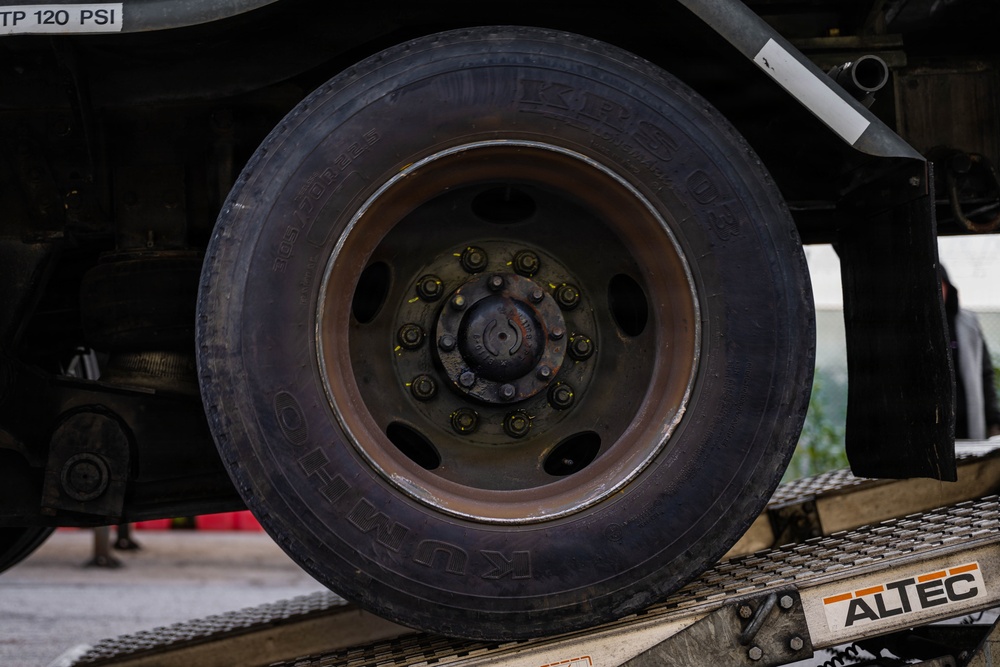
Illustrative photo of tire identification, not evidence of SmartWay status or a recommended application. Senior Airman Zachary Jakel / U.S. Air Force, DVIDS 9515336. Public domain.