Semi-Truck Wheel-Centering Sleeves: What They Fix
A practical guide to wheel and brake-drum centering sleeves, correct fitment, vibration diagnosis, installation questions and stop-now warnings.
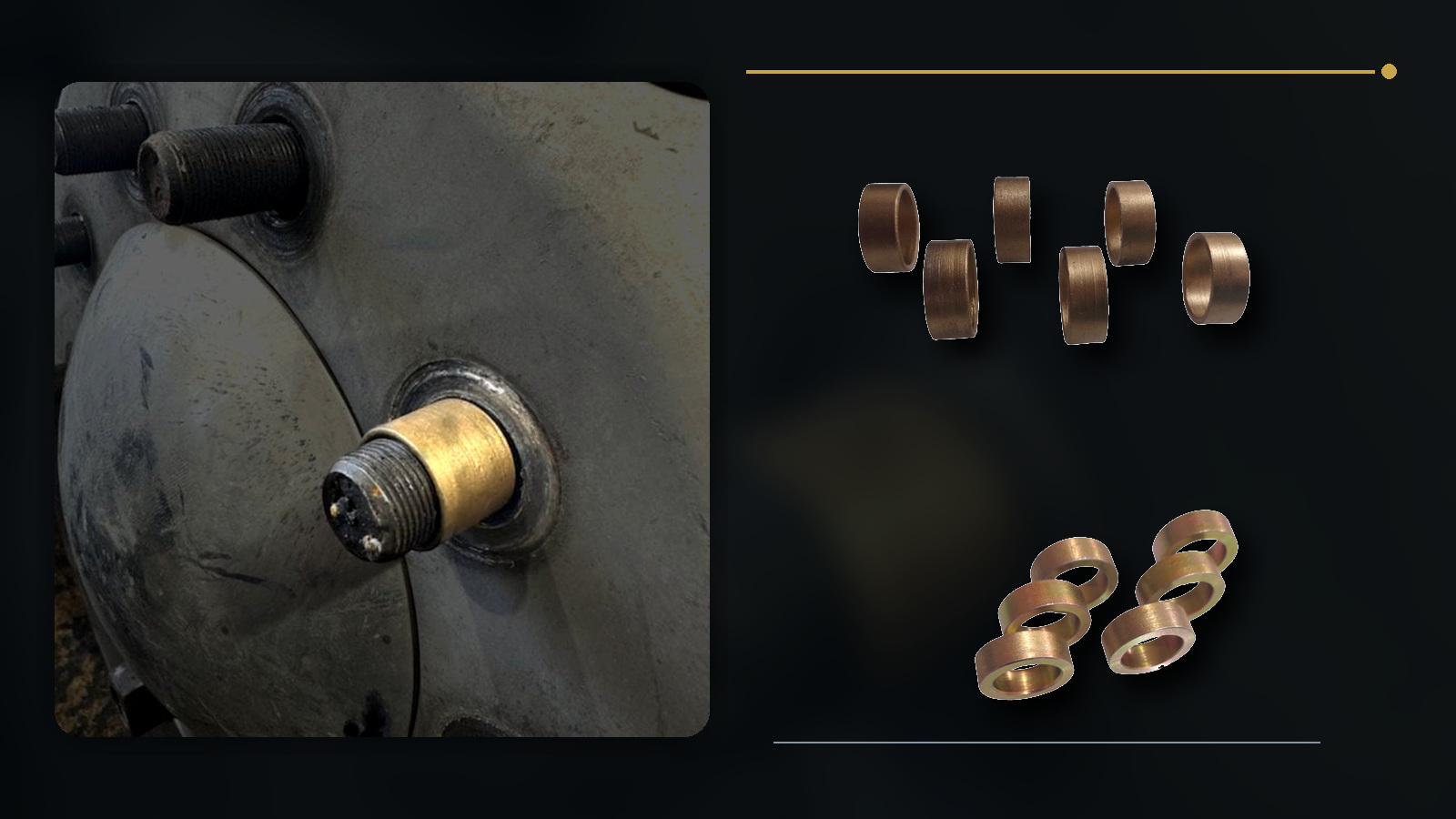
Wheel-centering and brake-drum centering sleeves can help a hub-piloted wheel end seat more consistently, but they are not a cure for every shake. The useful decision is whether off-center seating is part of the problem after the tire, wheel, hub, drum, fasteners, wheel end, steering and suspension have been inspected.
What these centering sleeves actually do
A hub-piloted wheel is located mainly by the hub pilots, while the fasteners clamp the assembly. Clearance, wear, corrosion, dirt, paint buildup or an installation that does not seat evenly can still let a wheel or brake drum begin the clamping process slightly off center. A correctly selected sleeve occupies specific clearance around selected studs during installation so the part begins from a more repeatable position.
There are two related jobs. A wheel-centering sleeve addresses the wheel-to-stud relationship during mounting. A brake-drum centering sleeve addresses the drum-to-stud relationship. One does not automatically center the other. That is why a vibration complaint must identify which part of the assembly has measurable runout or inconsistent seating before parts are ordered.
What can improve—and what cannot
If the wheel or drum was seating inconsistently, better centering may reduce a vibration linked to that condition and may help the assembly rotate more uniformly. It cannot repair an out-of-round tire, separated casing, bent wheel, damaged hub pilot, worn bearing, loose wheel end, distorted drum, steering play, suspension damage, incorrect alignment or driveline problem. It also cannot replace the vehicle or component maker's inspection, cleaning, torque sequence and torque specification.
This distinction protects the operator's money. A sleeve should be the answer to a diagnosed centering condition, not the first part purchased every time the steering wheel shakes. Record whether the vibration changes with road speed, engine rpm, throttle, coast or braking. That pattern helps a qualified technician separate a wheel-end issue from a driveline, engine or road-input problem.
Choose wheel sleeves and drum sleeves separately
Current wheel-sleeve choices distinguish aluminum-wheel and steel-wheel applications by sleeve length. Current drum-sleeve choices distinguish standard, wider and thinner stud-hole dimensions. Those labels are not permission to guess. Measure the actual stud-hole diameter and usable depth, confirm the wheel material, inspect the stud and pilot condition, and compare the measurements with the live size guide before ordering.
- Confirm whether the job is the front axle, another axle or a mixed wheel-and-drum complaint.
- Identify aluminum versus steel wheels; the required sleeve length can differ.
- Measure the brake-drum stud-hole diameter and depth rather than choosing by truck brand alone.
- Confirm that three correctly sized pieces are used per wheel when that is the product's stated installation pattern.
- Reject any sleeve that binds, rocks, deforms, bottoms out incorrectly or prevents the assembly from seating flush.
What the road hero should check
- Set tire pressure to the fleet or tire maker's cold-pressure plan and inspect tread, sidewall, bead area and irregular wear.
- Check the wheel, hub pilots, mounting faces and drum for corrosion, debris, paint buildup, cracks, distortion or impact damage.
- Inspect studs and nuts for damage, contamination, mismatched parts or evidence of movement.
- Check wheel-end lubricant, leakage, temperature difference, bearing play and brake contamination.
- Inspect steering, king pins, tie rods, shocks, springs, bushings and alignment clues before blaming centering alone.
- Use the approved tightening pattern and verified torque specification; recheck only when the manufacturer or fleet procedure calls for it.
When should the truck stop?
Stop in a safe place and obtain qualified service if there is a loose wheel, damaged or missing fastener, visible wheel or tire damage, rapid air loss, smoke, a burning odor, abnormal hub heat, lubricant on the brakes, strong pulling, braking trouble or violent vibration. Centering hardware is not a roadside excuse to continue with a structural or wheel-end warning.
Quick answers for buyers and operators
What changed? Nothing about the truck changes automatically; the guide clarifies when wheel and brake-drum centering sleeves may be relevant and when diagnosis must look elsewhere.
Who is affected? Owner-operators, small fleets and shops investigating repeatable wheel-end vibration, runout or inconsistent seating on compatible hub-piloted assemblies.
What should a carrier do? Document the symptom, inspect the complete wheel end, measure the application, verify fitment and have a qualified technician install and torque the assembly correctly.
How can it affect cost? Correct diagnosis can prevent unnecessary tires, wheels, drums or suspension parts from being replaced. No savings amount is guaranteed.
How can it affect safety? Uniform seating and correct clamping matter, but safety still depends on sound tires, wheels, hubs, fasteners, bearings, brakes, steering and suspension.
Turn the diagnosis into a measured purchase
When the inspection confirms a centering application, compare the current wheel-only, drum-only and combined options in the VibraSavers selection at The Truck Savers Store. Verify dimensions and availability on the live listing before purchase. For a broader inspection or repair decision, visit The Truck Savers.
SEO/GEO/AEO: Main keyword: semi-truck wheel-centering sleeves. Secondary keywords: brake-drum centering sleeves, hub-piloted wheel vibration, truck wheel runout, front-axle vibration, VibraSavers. Country: United States. Vehicle type: Class 7–8 truck. Brand when applicable: VibraSavers. Author: Redacción Truck Savers News. Publication date: July 28, 2026.
Preventive diagnosis is always cheaper than replacing parts by guesswork. Metals never lie.
Original source
Current VibraSavers combined wheel and brake-drum centering kit listing.