Semi-Truck Tire Sealant: When It Helps and When It Does Not
Semi-truck tire sealant may help with a small tread leak, but it cannot make a damaged tire roadworthy. Use this guide before the next load.
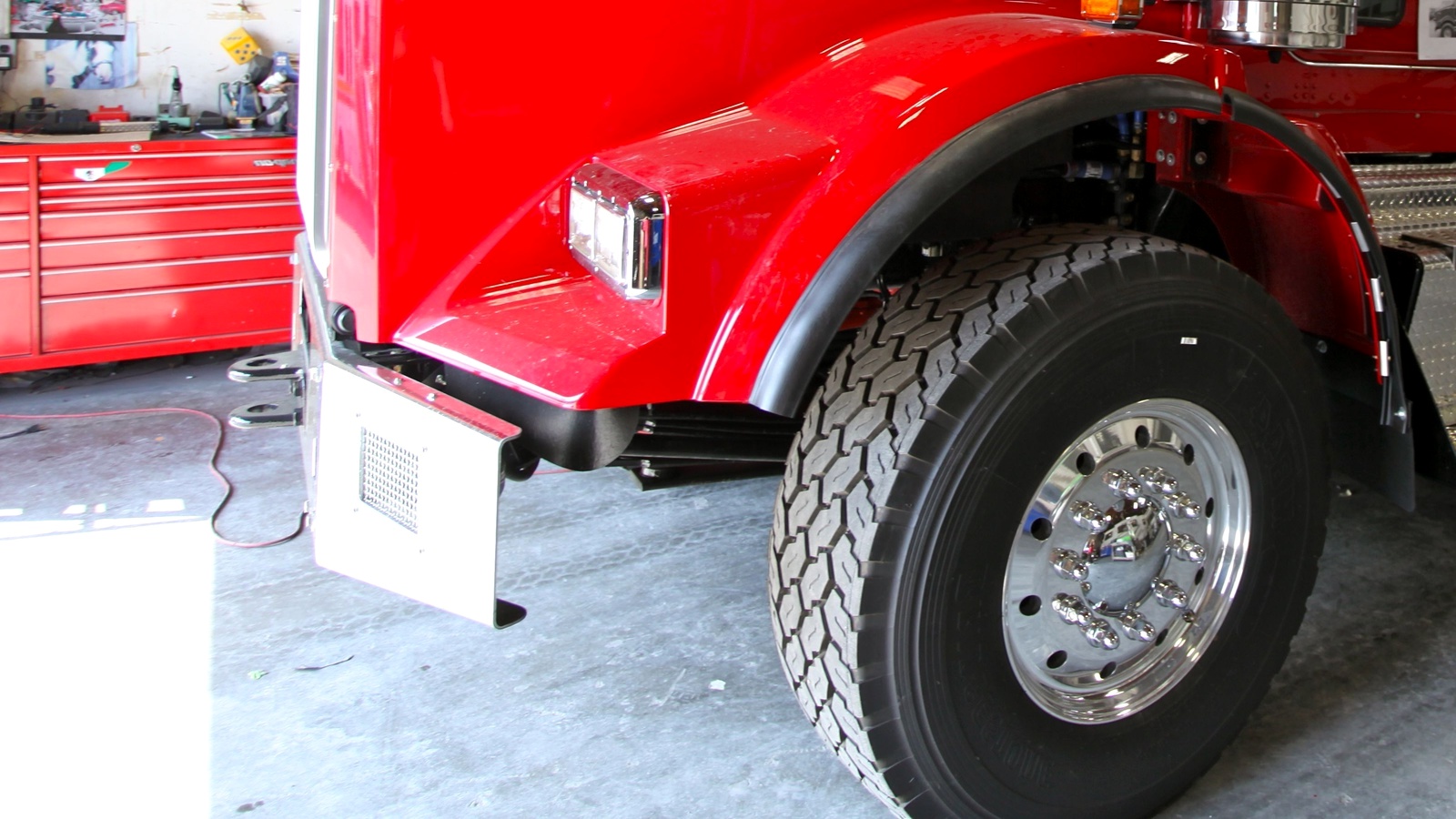
A semi-truck tire sealant can be useful when a small puncture in the tread area begins leaking air, but it is not a blanket repair for every tire problem. The operator still has to identify where the air is escaping, inspect the complete tire and wheel, and decide whether the unit is safe to move or needs immediate professional service.
What tire sealant can actually do
A compatible sealant is designed to move with the air inside the tire and reach a small opening. At the leak, the material can collect and slow or stop the loss of pressure. That can be helpful as preventive support or as a temporary response to a limited tread-area puncture, depending on the product instructions, tire construction, wheel, valve hardware, temperature, and operating conditions.
The important word is limited. A sealant does not rebuild cords, belts, sidewalls, beads, wheels, or valve stems. It also does not explain why the leak started. A nail in the tread, a loose valve core, a damaged rim, a bead leak, and a tire that was driven while underinflated require different decisions.
When it is the wrong tool
Do not treat sealant as permission to keep running when the tire is flat, has an audible leak, shows exposed body-ply or belt material, has tread or sidewall separation, or has a cut deep enough to expose structural material. Bulges, impact damage, heat discoloration, broken cords, severe irregular wear, and damage near the shoulder or sidewall also call for a tire professional rather than a bottle-and-go decision.
The same caution applies after the tire has operated underinflated. The outside may look acceptable while flexing and heat have damaged the inside. If pressure dropped significantly, the tire should be removed and inspected internally by a qualified technician before anyone calls it repaired.
How it affects safety and cost
Used in the correct application, sealant may reduce air loss long enough to avoid turning a small tread puncture into a roadside emergency. Used in the wrong application, it can hide a continuing problem and delay the inspection that would have found structural damage, a bad valve, a wheel defect, or an overloaded tire.
For an owner-operator, the cost question is therefore not simply the price of sealant versus the price of a tire. It is the cost of the correct diagnosis, safe downtime, a permanent repair when permitted, and the risk of damaging the casing by continuing to run low. A casing with repair or retread value can lose that value if it is overheated or driven flat.
What the road hero should check
- Measure cold inflation pressure and compare it with the pressure required for the actual load and tire application.
- Find the leak source instead of assuming every pressure loss is a tread puncture.
- Inspect the tread, shoulder, sidewall, bead, rim, valve stem, valve core, and nearby dual tire.
- Check for exposed material, separation, bulges, cuts, heat, rubbing, irregular wear, and objects between duals.
- Record the axle, wheel position, pressure, temperature, mileage, and product used.
- Confirm the sealant label allows the tire, wheel, valve and pressure-monitoring hardware in service.
- After treatment, verify that pressure is stable; do not rely only on the absence of a dashboard warning.
- Have a qualified tire shop determine whether the tire needs internal inspection, a permanent repair, or replacement.
What federal tire condition rules still require
Sealant does not replace the minimum condition rules for commercial tires. Front tires on trucks and truck tractors must have at least 4/32 inch of tread in a major groove, while the general minimum for other positions is 2/32 inch. Tires cannot be operated flat, with an audible leak, exposed structural material, or tread or sidewall separation. Cold inflation pressure also has to support the load being carried.
Those are minimum legal conditions, not a promise that every tire above the line is healthy. Fleet policy, tire-maker guidance, repair standards, the severity and location of the damage, and a technician's internal inspection may require the tire to come out of service sooner.
A smarter buying decision
Before buying, compare the label's compatible tire types, application method, quantity per tire, operating temperature, inspection instructions, cleanup requirements, and effect on valve or monitoring hardware. Never invent a dose from tire size alone. Follow the product chart and keep the container information with the maintenance record.
Operators who want to compare a heavy-duty option can review Salva Morenas tire sealant. Confirm current availability, instructions, compatibility and application before purchase. For broader shop and maintenance support, visit The Truck Savers.
Bottom line: sealant can support a small, compatible tread leak; it cannot make structural damage safe. Inspect first, monitor pressure, and let the tire tell the truth. Preventive maintenance is always cheaper than getting stranded.
Original source
- 49 CFR § 393.75 — Tires.
- Hero photo: BEAR RV, Wikimedia Commons, CC BY 3.0; cropped and mirrored.
