SEMA 2026: check your badge before the trip
SEMA runs November 3–6 in Las Vegas. Check badge pickup, ID and your truck-business questions before planning the visit.
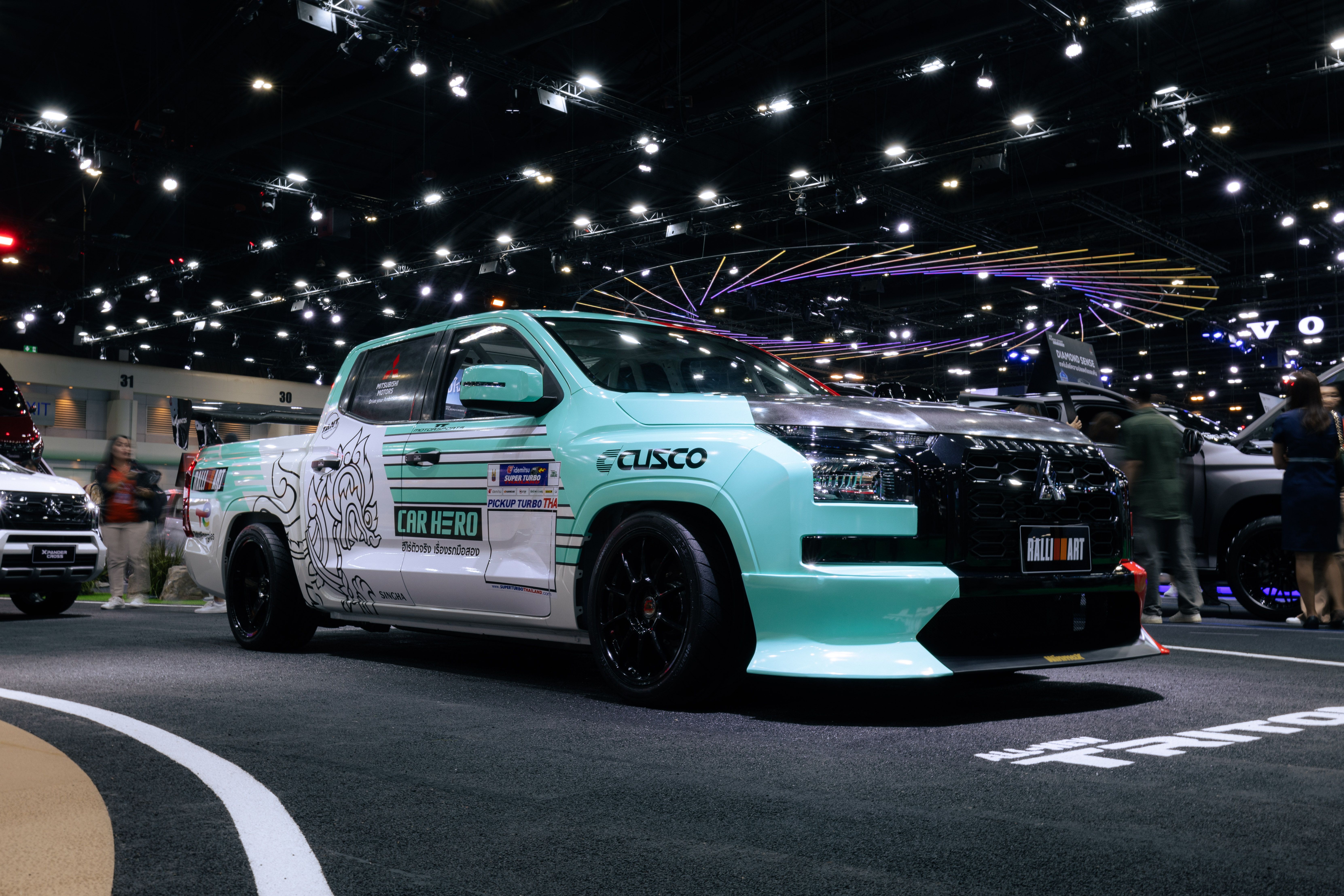
Illustrative archive photograph: Customized Mitsubishi L200 showcased at the Bangkok Motor Show.. I'm Zion / Pexels, Pexels License. Unmodified. Does not establish model year, factory equipment, location or current fuel prices.
SEMA Show 2026 runs November 3–6 at the Las Vegas Convention Center. For a truck or off-road business planning the trip, confirm registration and badge pickup before arranging the rest of the visit. The organizer's current guidance requires an original government-issued photo ID with a name matching the badge; attendees collect their own badges. A photo of an ID is not a substitute.
Imagine a two-person shop trying to fit a trade-show visit around customer work. Flights and a hotel may be organized while the person attending still assumes a colleague can collect the credential. Resolve that question before departure. The example is hypothetical, but the planning distinction is useful: travel arrangements and admission readiness belong on separate lines of the same checklist.
Confirm eligibility before treating the trip as settled
The organizer describes the industry event as business-to-business and requires applicable qualification through its registration process. Use the current official instructions for your attendee category rather than assuming that owning a modified pickup establishes eligibility. This guide does not approve anyone's registration, guarantee admission or replace organizer review. Keep the confirmation and any unanswered questions together with your travel information.
A shop owner sending an employee can assign one person to check the registration status and another to cover the work schedule at home. Write down which tasks are complete and which still depend on confirmation. This keeps an itinerary from creating a false sense that every requirement has been resolved. If a detail remains uncertain, contact the organizer through its official channels.
From a parts trade show to the Las Vegas event
SEMA’s official historical timeline dates the first official Show to January 1967 at Dodger Stadium in Los Angeles, with 98 booths and about 3,000 attendees. It moved to the Las Vegas Convention Center in 1977. For 2026, the organizer’s attendee page promotes more than 2,400 exhibitors. That is organizer planning information, not a verified count of attendance or transactions at a show that has not yet taken place.
The scale makes a focused visit plan useful. Rather than treating every display as an equally relevant opportunity, identify the products and business conversations connected to your actual customers. Keep the historical figures in their own period; they do not establish this year’s attendance or the outcome of any supplier conversation.
Choose a business question before choosing a booth
Make the visit about a problem your business can describe. That might be finding documentation for a particular accessory application, understanding a supplier's support process or comparing the complete contents of two proposals. Put the question into one sentence and identify the evidence that would answer it. An impressive build is a conversation starter, not proof that a component fits a customer's vehicle.
Consider a hypothetical pickup shop evaluating a new product line. A display may make the product attractive while leaving ordering, technical support and replacement-part questions unanswered. Give those questions their own space in the visit notes. A shorter list of documented answers can be more useful than a long collection of photographs with no model identification, contact or follow-up plan.
Separate show specifications from customer applications
Record the exact product and version discussed, the vehicle application the representative identifies and the documents available to support it. Keep a demonstration vehicle's details separate from a customer's configuration. This article supplies no installation procedure, torque value, load capacity or compatibility determination. Those require the appropriate information for the actual vehicle, component and intended use.
When a customer asks about something you saw at the event, a good answer begins with what is confirmed and what still needs checking. Preserve that distinction in your notes. An enthusiastic conversation should not become an unsupported promise by the time it reaches the shop. If the representative proposes a later technical review, record that as a pending action rather than a completed approval.
Use truck and off-road education intentionally
TORA's published program includes “The Business Behind the Builds: Best Practices in the Truck and Off-Road Industry” on November 3, from 11 a.m. to noon in North Hall Room N257. Verify the current program before attending. Treat a business session as a chance to collect questions and methods to assess, not as certification for a product, vehicle modification or service procedure.
A small team can agree in advance who will attend a session and who will keep supplier appointments. Afterward, each person can share one usable insight, its source and the follow-up it requires. This is an organizational suggestion from TSN. It does not assume that a particular session will produce a saving, a sales increase or an outcome for every business that attends.
Compare supplier conversations on the same basis
Use consistent fields for each conversation: company, named contact, product identification, intended application, documents received, quoted scope and unresolved questions. If a price is discussed, ask what it includes and retain the applicable written offer. Do not rank suppliers using a verbal amount from one conversation and a complete installed proposal from another. Different scopes need reconciliation before a useful comparison.
Suppose a hypothetical shop receives a component-only proposal and another proposal including additional services. A lower headline total does not establish which arrangement is better for that shop. List the differences and obtain the missing terms. Keep every invented example separate from a real supplier quotation so an internal discussion cannot accidentally present an illustration as an offer that was actually received.
Plan the handoff back to the shop
Before leaving each conversation, identify the next step and the person responsible. An unanswered application question may need a technical document; a purchasing discussion may need a written quotation. Give each its own status. Where appropriate, agree a follow-up channel with the representative rather than assuming a badge scan records everything that was discussed or establishes a purchasing commitment.
On the return, sort the material into confirmed information, questions and possible actions. Share the useful records with the people who will evaluate or maintain the equipment. Keep personal contact information within the business's normal handling process. Event attendance does not by itself authorize a new customer claim, a product order or an installation on a vehicle waiting in the shop.
Leave with a decision file rather than a photo collection
- Confirm the current registration instructions and your own status.
- Check the original ID and matching badge information before departure.
- Set a short list of business questions for the visit.
- Record exact products and applicable supporting documents.
- Compare written proposals with matching scopes.
- Assign follow-up ownership and keep unresolved items visible.
Use Truck Savers Finder to research service businesses, then confirm capabilities directly. A listing does not establish SEMA participation or manufacturer authorization. The practical objective is a visit that produces traceable answers for your business, while admission, product suitability and purchasing decisions each remain supported by the right evidence.
Original source: SEMA, 2026 Show registration and badge-pickup guidance; organizer's 2026 attendee FAQ and TORA program checked November 1. Planning scenarios and checklist are TSN editorial guidance. The archive photograph shows a pickup at the Bangkok Motor Show, not the 2026 SEMA Show.