Ryder Used Tractor Prices Rise 19% From a Year Ago
Ryder reports stronger used-vehicle pricing. Its third-quarter figures describe one seller, not the value of every truck.
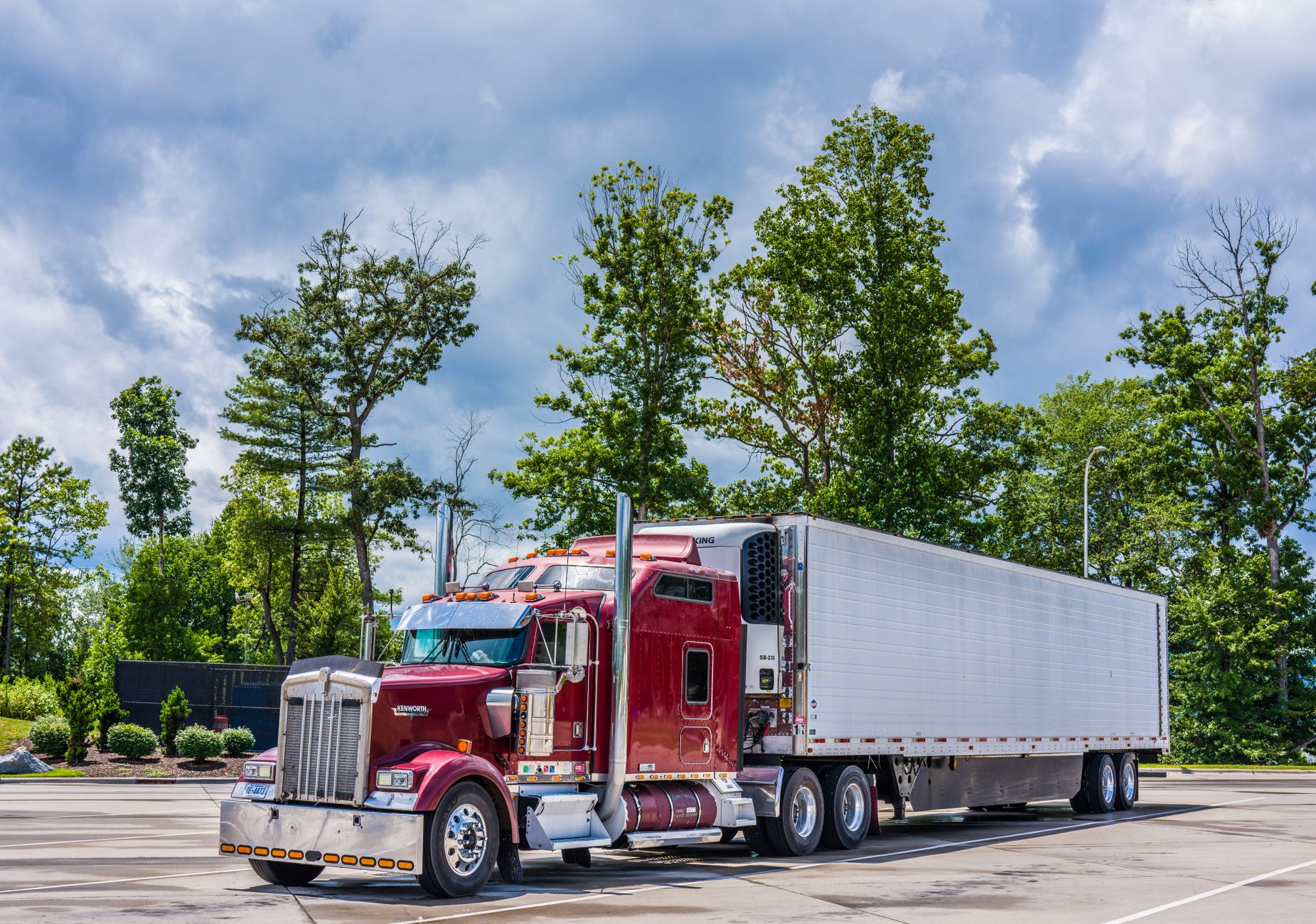
Illustrative photograph: R9 Media Photo Collective / Pexels. Parked tractor-trailer; not identified as Ryder inventory or a unit included in its results.
A fresh company report gives equipment buyers another market signal to examine before negotiating a used tractor. It should go into the comparison file with its company name and measurement period still attached. Removing those labels would turn a specific seller's results into a claim about vehicles the report never evaluated.
In its October 22 third-quarter release, Ryder reports used tractor pricing up 19% year over year and 5% for used trucks. Sequential increases are 15% for tractors and 6% for trucks. The year-over-year comparison and the quarter-to-quarter comparison answer different questions.
Read the comparison correctly
Keep two separate columns in a purchase review: change from the corresponding quarter a year earlier, and change from the immediately preceding quarter. Label the vehicle class on each line. Mixing those columns can make a salesperson's reference number appear to apply to the wrong unit or period. None of these percentages is a quotation for the VIN you are considering.
Build a comparison around the actual unit
Before treating a change as support for an asking price, request the unit's specification sheet, mileage, service history and written sale terms. Our suggested buyer file also has space for the inspection findings and repairs priced separately. That file helps distinguish the truck being offered from an appealing market headline.
For example, imagine two hypothetical listings with similar advertised prices. One includes documented recent work; the other has an unresolved inspection item. The headline percentage does not establish which offer is better. Ask what the repair would involve and obtain a written estimate from the appropriate service provider before comparing the total commitment. This is a proposed purchasing exercise, not an inspection or valuation of a real truck.
Keep the budget tied to the job
A replacement decision should describe the work the truck must do and the time available to put it into service. Put the purchase quote, planned preparation and any financing terms in separate lines, rather than hiding them inside a single attractive monthly figure. Leave unknown amounts marked as unknown until the party responsible supplies them.
Ryder's pricing results provide company-specific context. They do not establish that an owner-operator's revenue, local resale value or access to financing changed by the same percentage. A small fleet can use the report to frame questions, then return to actual offers and its own operating records for the decision.
Before signing
- Label the source, quarter, vehicle class and comparison period.
- Request records for the particular unit.
- Separate asking price, inspection findings and preparation costs.
- Confirm the written commercial terms and delivery timing.
For the related documentation step, read TSN's guide to keeping truck records after a sale. Preserve the evidence behind the purchase before relying on a general pricing trend.
Original source: Official source. Questions and comparison suggestions are original TSN editorial guidance.