Renewable Diesel and Biodiesel: Check the Fuel Spec
Renewable diesel is different from biodiesel. Identify the fuel and its specification before comparing supplier offers.
A fuel offer described as renewable does not tell an owner-operator exactly what is being sold. Before comparing a quote with the fuel already used by the fleet, request the product name, applicable specification and any blend information. Those details make the offer usable for a maintenance discussion. A green label or a familiar supplier name cannot fill the gaps.
Two fuel names with different meanings
The U.S. Department of Energy distinguishes renewable diesel, a hydrocarbon meeting ASTM D975, from biodiesel, an ester meeting ASTM D6751. The distinction concerns the fuel itself, not simply the origin of its ingredients. Keep the exact product description when asking a supplier or manufacturer about an offer; do not replace either name with a general phrase such as alternative diesel.
DOE also identifies unblended biodiesel as B100. Its guidance explains that cold-weather behavior depends on blend, feedstock and petroleum-diesel characteristics, and directs users to work with their supplier on an appropriate blend. These facts do not provide a universal temperature limit or establish approval for an individual truck. Equipment instructions and the actual product documentation remain separate checks.
Build a comparison that preserves the product identity
TSN suggests putting each offer on its own line in a simple purchasing worksheet. Start with the supplier, product name exactly as quoted, fuel specification, stated blend, quantity and delivery location. Then add the date of the offer and a contact who can answer technical questions. This is a suggested internal record, not a government form or a new requirement for drivers.
Leave missing information visibly blank and label it as awaiting confirmation. A salesperson's description may be enough to start a conversation but not to resolve an unclear specification. Ask for the relevant product document and keep it with the quote. If the document names a different product, return that discrepancy to the supplier before treating the two descriptions as equivalent.
Separate the fuel question from the equipment question
The first question is what the supplier is offering. The second is whether that product fits the instructions for the particular equipment and use. Give the service contact the exact vehicle and engine identification, the product document and the question you need answered. Ask which manufacturer reference supports the answer. Do not turn an approval for one unit into a fleetwide instruction.
Consider a hypothetical fleet with two trucks that share a parking location but have different engines and service histories. One purchasing contact receives the fuel offer; two equipment records may still need review. A worksheet can show that the supplier document has arrived while one application question remains open. That is more useful than a single box labeled approved without saying what was checked.
Compare the commercial terms on the same basis
Once the product is identified, put price and delivery terms alongside it. Note whether the quoted quantity, delivery point and included charges match the other offer. Keep an expiration date if the supplier provides one; do not invent one when it does not. A lower displayed unit price is not a complete delivered-cost comparison when one quote includes a charge the other lists separately.
A basic arithmetic check can expose that difference without predicting fuel economy. Suppose two hypothetical offers each cover 100 gallons: one totals $400 before a separately quoted $25 delivery charge, while the other totals $420 including delivery. The comparable totals are $425 and $420. These are invented teaching numbers, not current market prices or evidence that one type of fuel is cheaper.
Keep route and seasonal questions explicit
Tell the supplier where and when the fuel will be used, particularly when a route changes. Ask for the product-specific guidance that applies to the expected conditions. Record the answer and the equipment contact's review instead of borrowing a temperature figure from an unrelated product. This article does not prescribe additives, mixing methods, storage treatment or a maintenance interval.
Before releasing a purchase, use a short handoff checklist: exact product documented; specification and blend recorded; equipment questions answered by the appropriate contact; commercial terms compared; unresolved items assigned to someone. Keep the invoice with that record after delivery. If what arrives differs from what was ordered, raise the difference promptly rather than silently changing the worksheet to match it.
Measure the question you actually asked
If the business later evaluates operating cost, preserve the original comparison and state what data is available. A purchase receipt establishes a transaction, not a guaranteed change in miles per gallon or emissions. Avoid crediting a new fuel for every change in a week's results. Start with a defensible purchase decision: identifiable product, applicable guidance, clear terms and a record another person can follow.
Explore more practical TSN guides.
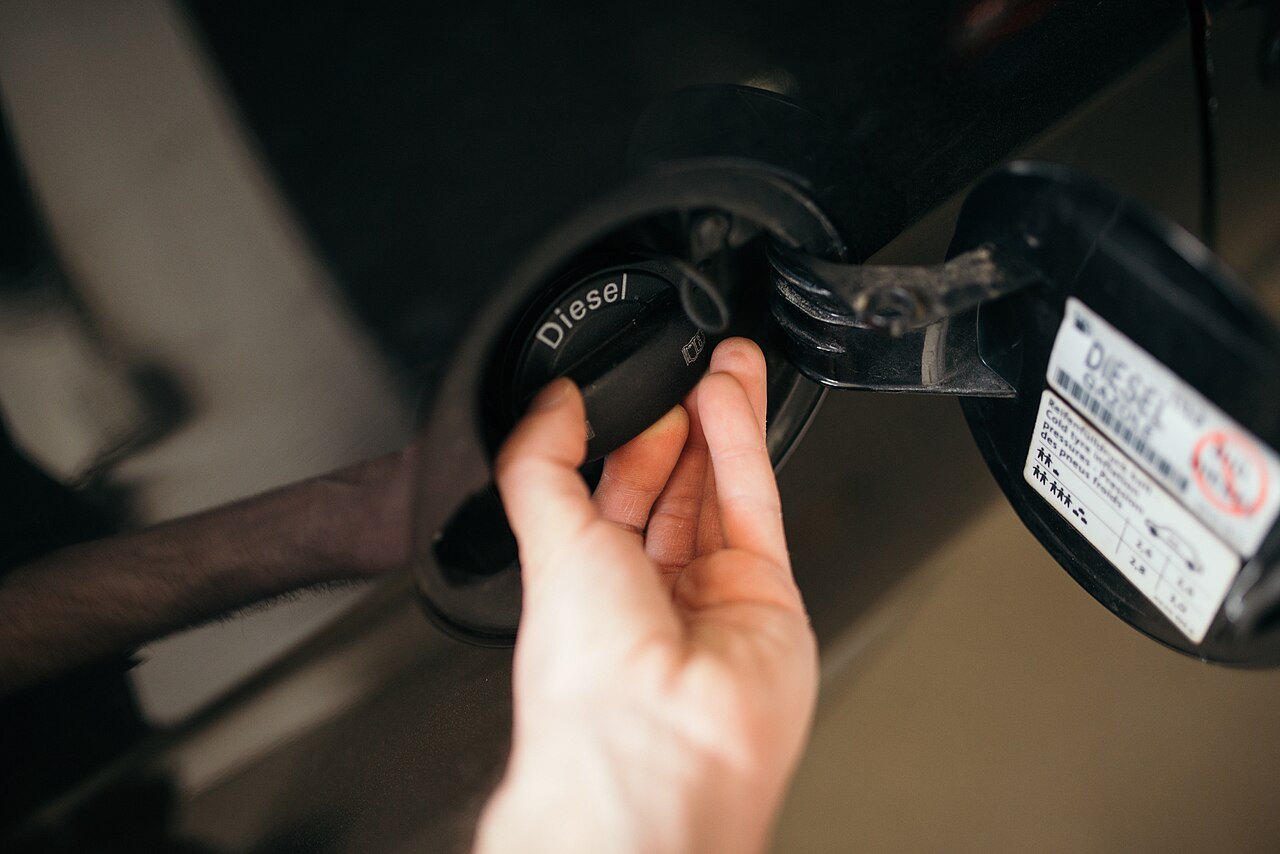
Illustrative archive photo; no fuel composition or vehicle approval is demonstrated. Nenad Stojković / Shixart1985, CC BY 2.0. Wikimedia-supplied reduced-size version.

Original source
U.S. Department of Energy, Alternative Fuels Data Center: fuel specifications; biodiesel basics. Reviewed October 6, 2026.