Recall Repairs Are Free for 15 Years From First Sale
Federal law gives 15 years for a vehicle and 5 for a tire. The clock runs from the first sale, not from yours.
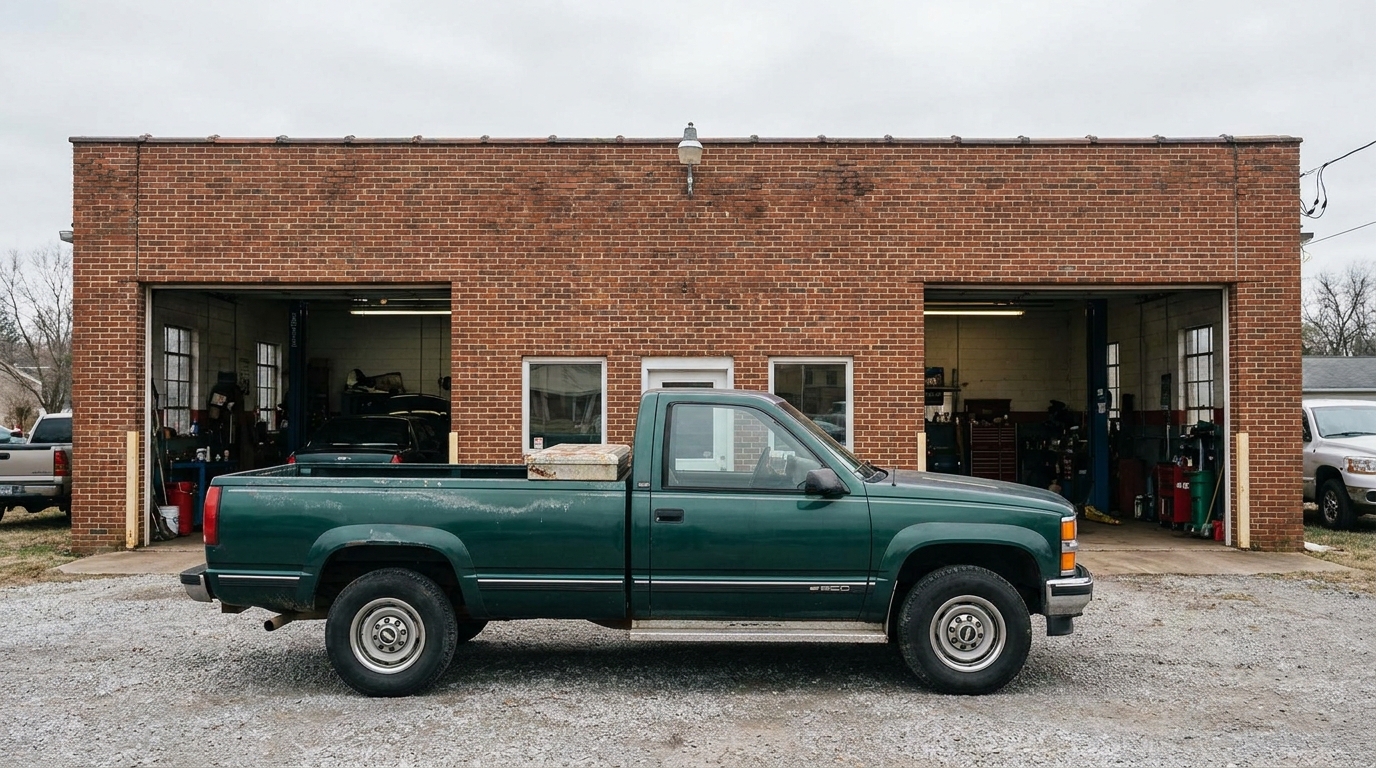
You bought the pickup used three years ago. A recall comes out. Is the repair free?
The answer does not depend on when you bought it. It depends on when the first owner bought it, and almost nobody knows that.
What the law actually says
Federal law, 49 U.S.C. § 30120, is the rule that makes recall repairs free. When a manufacturer is required to notify owners of a defect or a noncompliance, it has to remedy that vehicle without charge when the vehicle is presented.
The manufacturer picks how: repair it, replace it with an identical or reasonably equivalent vehicle, or refund the purchase price less a reasonable allowance for depreciation. Those are the three options written into the statute.
The 15-year line, and where it is measured from
Then comes the part that catches people. Subsection (g)(1) says the free-repair requirement does not apply if the vehicle was bought by the first purchaser more than 15 calendar years before the notice is given or the order is issued, whichever comes first.
Read that slowly, because two words in it decide your case.
"First purchaser." Not you, unless you bought it new. If the truck was sold new in 2013, the clock started in 2013 no matter what year you got it. A four-year-old truck to you can be an eleven-year-old truck to the statute.
"Before the notice is given." The measurement is against the date of the recall, not the date you show up at the dealer. If the recall was issued while the truck was fourteen, it stays free even if the truck turns sixteen before you get around to it. The clock stopped when the recall was announced.
That second point is the one worth keeping. An open recall on an older truck is not automatically expired just because the truck is old today.
Tires are five years, not fifteen
Tires have their own line in the same statute, and it is much shorter: five calendar years from the first purchaser's purchase, including original equipment tires.
There is a second clock on tires too. Under subsection (b)(1), the owner has to present the tire no later than 180 days after receiving the notification, or after being told a replacement is available. Miss that window and the obligation ends even inside the five years.
Fifteen years for the vehicle, five for the tire, and a 180-day presentation window on top. Three different limits, one statute.
It used to be ten
The 15-year figure is not original. It was ten calendar years until Congress raised it, in the law recorded as Pub. L. 114-94, § 24402.
That matters if you are reading older advice online. Anything written before that change says ten, and it is wrong now. Five extra years of coverage is not a small difference on a work truck that gets kept.
One more exit the manufacturer has
Subsection (h) is short and worth knowing. On the manufacturer's application, the Secretary shall exempt the manufacturer from the remedy requirement if the Secretary decides the defect or noncompliance is inconsequential to motor vehicle safety.
It is not a loophole a dealer can invoke at the counter. It goes through a notice in the Federal Register and an opportunity for anyone interested to weigh in. But it exists, and it is why "there is a recall" and "there is a free repair waiting" are not always the same sentence.
What to do with this
Three things, and none of them take long:
Find out when your truck was first sold, not when you bought it. That date is what the statute runs on. If you do not know it, that is the first thing to chase.
Check for open recalls by VIN, not by model. A recall covers specific vehicles, and two identical-looking trucks off the same lot are often not both included.
If a recall was issued years ago and never done, ask anyway. The date that counts is when the recall came out. An old unrepaired recall on a truck that was in range at the time is still in range.
The part the law does not cover
Everything above is about defects the manufacturer had to announce. It says nothing about the wear items that actually put a pickup out of service: brakes, tires, alignment, suspension. Those were never anybody's obligation but yours, on any model year.
We do pickup and heavy truck inspection and repair in Houston, Dallas and Monterrey: thetrucksavers.com.
Original source: 49 U.S.C. § 30120, Remedies for defects and noncompliance