Ranger Tremor Flex Is Planned for Brazil in 2027
The Ranger Tremor flex announcement is for Brazil. Check the market and final specification before planning a purchase.
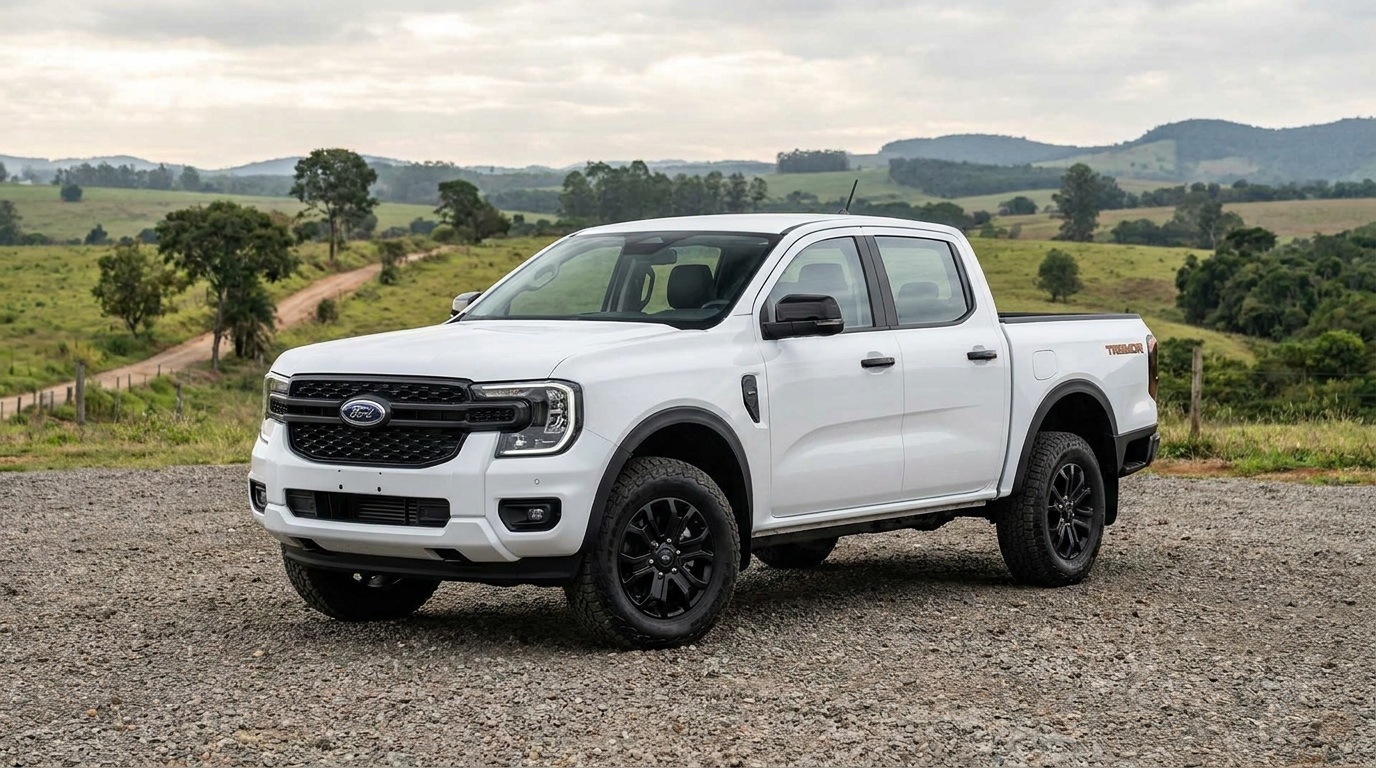
AI-generated editorial illustration; not a documentary photograph.
Ford Brasil's November 17 announcement places the Ranger Tremor's Brazilian arrival in the second quarter of 2027. It identifies a new 2.3 GTDi EcoBoost flex engine developed for that market and says further details will come closer to launch. For a pickup buyer in Texas or Mexico, the useful distinction is geographic: this announcement does not establish a U.S. or Mexican sales specification.
That distinction matters when a pickup is being compared as work equipment. A familiar model name can make a foreign-market announcement look like an immediate purchasing option. Before changing an order, selling a current truck or promising a replacement date, identify which country the document actually covers. A photograph is a starting point for questions, rather than a complete buying specification.
Start with the market, then identify the vehicle
Build a short comparison sheet with separate spaces for the country of sale, model year, version and engine. Copy those details from the document applicable to the actual vehicle being offered. If a dealer's listing and a manufacturer's announcement refer to different markets, leave them on separate lines until the seller explains the difference in writing.
This is a procurement checklist, not a claim that the Brazilian version can or cannot be imported. Import eligibility, registration, taxes and service arrangements require their own current verification. A news story about a future product cannot settle those questions. Someone considering a purchase outside their home market should resolve them with the appropriate qualified parties before committing money.
Keep the fuel decision tied to the actual truck
The word flex in this Brazilian announcement should not become a fuel instruction for another Ranger. Before selecting fuel for an existing pickup, use its own owner's documentation and identification. Do not transfer a fuel allowance from an article about another market, another engine or a vehicle that has not reached the intended buyer.
For a future purchase, ask the seller to provide the final applicable fuel requirements and maintenance documents when available. Keep that request separate from a request for a price. A sales estimate answers what an offer might cost; the applicable vehicle documents answer what is approved for that particular configuration. Neither answer should be inferred from the other.
Write the work requirement before comparing trim names
A useful buyer brief starts with the job. List the people, tools, cargo and any trailer the pickup is expected to carry, together with the roads and operating conditions involved. Then ask for the documented limits of the exact configuration under consideration. This article supplies no towing or payload rating for the announced Brazilian version.
Do not assume that an off-road name establishes suitability for a loaded work assignment. Likewise, a higher-looking vehicle in a photograph does not document clearance under a specific load, accessory compatibility or the effect of an upfit. Those are separate verification questions. Taking them to the seller in one written brief is more useful than comparing appearance alone.
Separate a planning window from a delivery commitment
Treat the announced arrival period as a product-planning reference. It is not a reservation confirmation, a production assignment or a handover appointment for an individual customer. If a replacement pickup is needed for a specific contract, keep the existing operating plan until a real offer and delivery terms have been checked.
For example, a small business might be deciding whether to retain its current pickup for another season. Its comparison should include the work it already has booked, the condition of the current vehicle and the consequences of a later-than-expected replacement. This is an illustrative decision exercise, not a forecast of Ford's production or a recommendation to place an order.
A practical file to request before committing
- Identify the market, version and engine of the exact vehicle being offered.
- Request the applicable owner's information, fuel requirements and maintenance documentation.
- Compare the documented carrying and towing limits with the actual work brief.
- Ask for the written scope of any accessories, warranty and service arrangements being offered.
- Keep price, deposit, cancellation and delivery terms together with the dated offer.
An unanswered item belongs on the open-question list. It should not be replaced with a specification copied from another country. Update the comparison when final documents arrive, and keep the earlier version so the reason for a changed buying decision remains clear.
For an existing work pickup, keeping maintenance questions organized remains useful while future models are being evaluated. Use The Truck Savers™ service contact to discuss an inspection of the vehicle you actually operate. That contact is not a Ranger sales channel, an import service or a promise of compatibility. Verify first, then make the purchasing decision against the real job.
Original source: Ford Brasil, November 17, 2026.