Ranger Towing: The Raptor Has a Different Limit
Ranger towing depends on the exact configuration. Match the 2026 guide to the pickup before assigning a trailer.
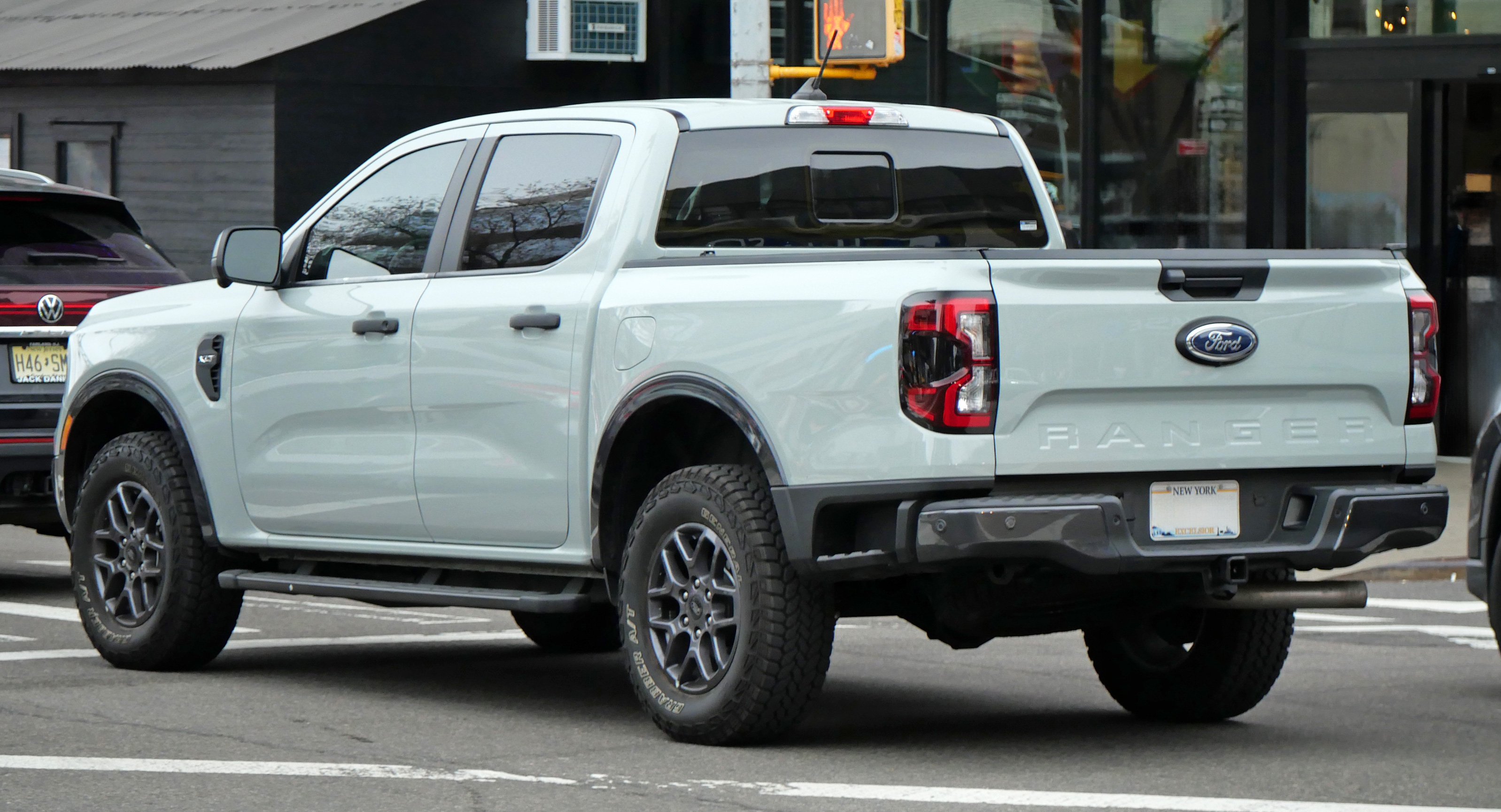
A Ranger badge does not identify one universal towing limit. A business choosing a pickup for a work trailer needs the rating for the exact configuration, particularly when comparing a Ranger with a Ranger Raptor. Start with the vehicle and trailer you will actually use, rather than assigning a trailer from the largest number found in an advertisement.
The two numbers in Ford's 2026 guide
Ford's 2026 towing guide lists up to 7,500 pounds for specified 2.3-liter and 2.7-liter Ranger configurations, but 5,510 for the 3.0-liter Raptor. Ratings require the listed equipment and vary with load and configuration. Trailer Tow Package 53R is required above 3,500 pounds and standard on Raptor. The guide warns that a receiver's capacity may exceed the vehicle's allowed loaded trailer weight.
Use those figures as a reason to identify the correct row, not as a remote approval for a particular combination. The higher-performance trim name does not erase the separate towing entry. Your purchasing file should make the applicable model year and configuration clear enough that a second person can reproduce the selection.
Specify the job before shopping for the pickup
Write down what the trailer carries during an ordinary workday. A landscape business might need to account for the trailer, machines and supplies together. That is a hypothetical example of a planning task, not a weight estimate for any specific equipment. Ask whoever prepares the trailer to describe the actual working arrangement instead of providing only an empty-trailer figure.
Then list the pickup's own occupants, tools and accessories for that job. Keep these alongside the trailer description. A vehicle comparison becomes more useful when the seller can see the intended combination and answer questions about its limits. A generic request for “the one that tows the most” leaves too much of the operating situation unstated.
Give each rating its own place in the file
Create separate fields for the vehicle's applicable loaded-trailer limit, combined rating and hitch information. Copy each from the correct documentation with its label and source page. Do not rename a hitch number “truck capacity” for convenience. Ask the dealer or qualified provider to resolve any discrepancy between the equipment installed and the documents supplied.
Retain the VIN, model year, engine and relevant package information with that file. When buying a used truck, request documentation for equipment represented as factory installed. A photograph of a connector or receiver is useful supporting material, but it does not by itself establish every component or rating of the vehicle.
An equipment list is more useful than a trim assumption
A buyer comparing two pickups can ask each seller to mark the exact guide entry and supporting equipment. One may be a Raptor; the other may be a different Ranger trim. The comparison should remain about the actual units and work requirement. It does not need a blanket statement that one trim is always the better work truck.
If a seller proposes adding equipment later, ask how the applicable vehicle documentation will support the intended use. Do not assume a receiver installation changes every vehicle limit. Keep the proposed parts, work and unresolved questions separate from the current verified configuration. Make any purchase condition specific enough that the buyer and seller understand the same requirement.
Check the trailer information before the first assignment
The person assigning a trailer should have access to the same file used during purchase. A correct buying decision can become an unclear dispatch instruction if the next employee sees only the model name. Include which trailer and working arrangement were evaluated, and identify who can answer questions when the load or pickup changes.
Use the applicable owner's manual and equipment instructions for connection, loading and operation. This article is an administrative comparison guide; it does not provide a loading procedure, brake adjustment, hitch installation or certification of a particular combination. Where a question remains, obtain the vehicle-specific answer before assigning the job.
Keep the handoff short and usable
- Identify the exact Ranger, model year, engine and VIN.
- Document the work trailer's intended loaded arrangement.
- Locate the matching Ford guide entry and required equipment.
- Keep vehicle, combination and hitch limits separately labeled.
- Resolve missing records before the pickup is assigned.
Store the completed comparison where the purchaser, dispatcher and driver can find it. Review it when the assigned truck, trailer or work changes. The goal is a traceable equipment decision, rather than a maximum towing number repeated without its conditions.
Explore more practical reporting from Truck Savers News.
Illustrative archive photograph: 2024 Ford Ranger XLT, photographed in 2025; not a 2026 vehicle or demonstration of a towing setup. Kevauto · Wikimedia Commons · CC BY-SA 4.0. Unmodified reproduction.

Original source: Ford, 2026 RV & Trailer Towing Guide, page 27.