Ram 1500 Safety Recall: TPMS May Miss Low Pressure
Ram recalls certain 2026 pickups over TPMS sensors. Check your VIN and confirm the free inspection with a dealer.
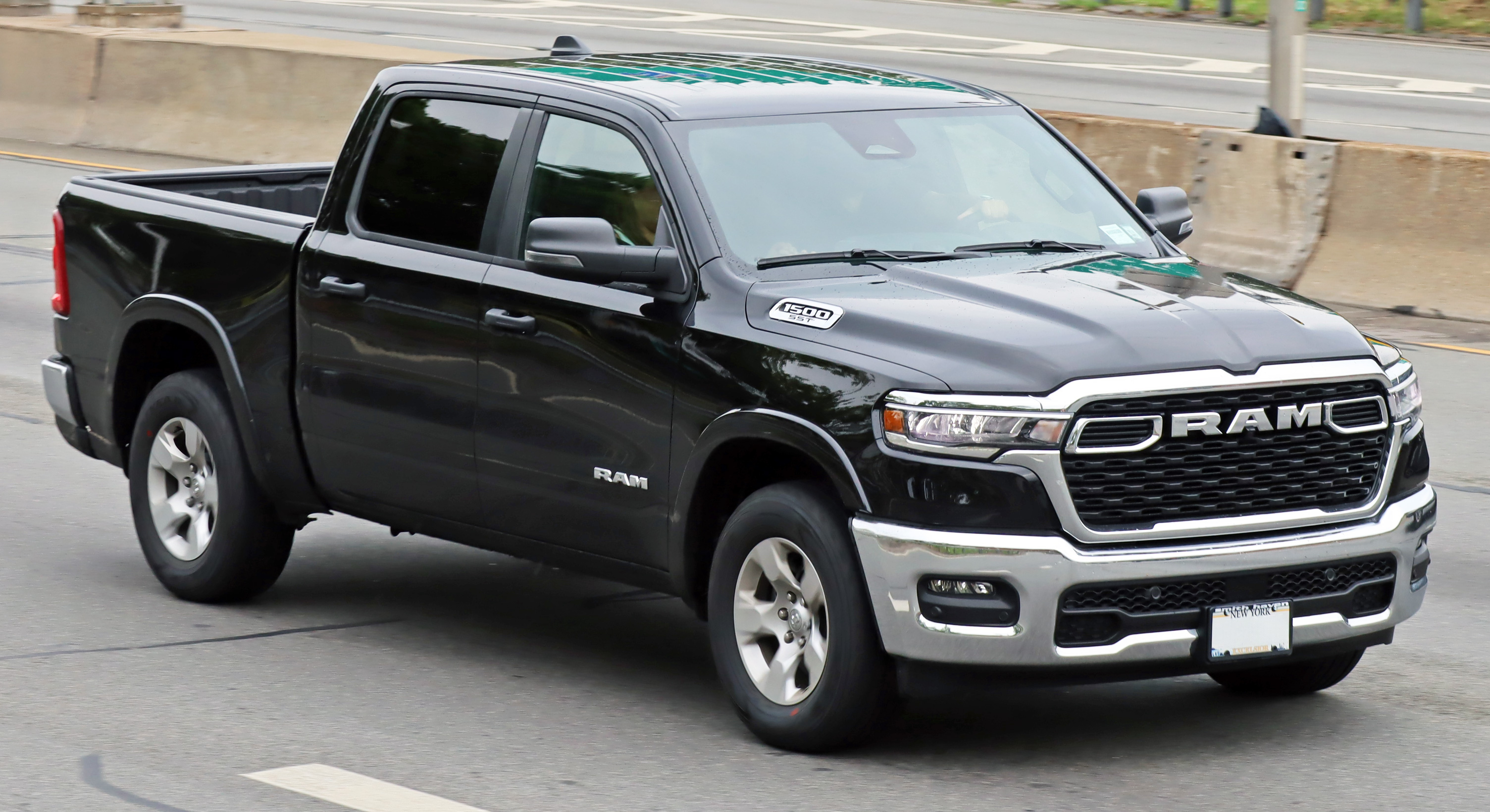
A quiet tire-pressure warning light cannot settle the pressure question on a Ram 1500 covered by this federal recall. Certain 2026 pickups have sensors that may fail to detect low pressure and may fail to activate the warning light. For a work-truck owner, the useful first step is to check the individual VIN and arrange the campaign inspection, rather than treating a normal-looking dashboard as proof that the tires and monitoring system are both in order.
What campaign 51D covers
NHTSA campaign 26V623000, also identified by FCA as 51D, lists 16,385 potentially affected vehicles. The federal report was received September 29, 2026; this is an existing campaign, not a recall announced today. The manufacturer says dealers will inspect and replace tire-pressure sensors as necessary, free of charge. The defect concerns compliance with Federal Motor Vehicle Safety Standard 138, the tire-pressure monitoring standard. It does not establish that every 2026 Ram 1500 has the condition.
The notice says affected VINs became searchable October 6 and owner letters are expected to be mailed October 27. Those are separate milestones. An owner can check the VIN before a letter arrives, while an expected mailing date does not confirm that a particular dealer has an appointment or parts available. Give the service department both identifiers, 26V623000 and 51D, so the conversation stays on this sensor campaign.
Separate the tire from the monitoring system
There are two questions to resolve: what pressure is actually in each tire, and whether the truck's electronic system reports it correctly. A gauge addresses the first question. It does not certify that a sensor meets the recall requirements. Conversely, a display that looks normal does not replace a physical pressure check. Keeping those tasks separate prevents a driver from closing the issue after completing only one of them.
NHTSA's general tire guidance calls for checking pressure when tires are cold, meaning the vehicle has not been driven for at least three hours. Use the vehicle manufacturer's placard or owner's manual for the specified pressure, rather than the maximum number molded into a tire sidewall. No universal PSI setting is supplied here: the correct specification belongs to the particular vehicle and its approved configuration.
Build a useful service request
Before calling, collect the VIN, current mileage and any existing service paperwork. If the truck has displayed a pressure warning or an unusual reading, describe what you observed and when. Avoid converting that observation into a diagnosis. A missing warning by itself does not tell an owner which sensor needs replacement, and this recall notice is not a procedure for testing sensors at home.
- Ask whether campaign 51D is open for this VIN.
- Confirm whether the dealer can perform the inspection and any required remedy during the proposed visit.
- Ask what availability remains unconfirmed before taking the truck out of its work schedule.
- Keep the completed repair order with the vehicle's records.
Plan around the truck's actual work
Consider an illustrative contractor who uses one pickup to move tools between jobs. A useful plan identifies the service window, the next day's transport arrangement and the person who will receive the dealer's findings. None of that requires guessing the inspection duration. If the dealer cannot yet confirm the remedy visit, record the answer and an agreed follow-up date instead of treating an unanswered call as a scheduled repair.
For several pickups, track each VIN separately. One truck's completed campaign does not close another truck's record. A simple list can distinguish checked, appointment confirmed, inspected and remedy documented. This is an organizational suggestion, not an additional manufacturer requirement. Its purpose is to keep a working vehicle from disappearing between the first recall lookup and the final service paperwork.
A changed tire needs its own assessment
If a gauge reading, a visible tire condition or the way the truck behaves raises a concern, have that condition assessed by a qualified service provider. Do not assume it is explained away by the sensor recall. The published notice specifies a sensor inspection and replacement when necessary; it does not authorize bypassing the system, changing thresholds or installing a particular aftermarket part. VIN-specific instructions and the vehicle manual remain the appropriate references.
For more practical pickup reporting, follow Truck Savers News™.
Illustrative archive photograph: a 2025 Ram 1500, not an identified recalled 2026 vehicle. Photo: Kevauto / Wikimedia Commons, CC BY-SA 4.0, reproduced without modification.

Supporting pressure guidance: NHTSA tire safety. Original source: NHTSA, recall 26V623000 / FCA 51D.