R1T Range: Match the Tires to the Quote
R1T range depends on its wheel-and-tire package. Match the 2027 configuration to its EPA estimate before planning work.
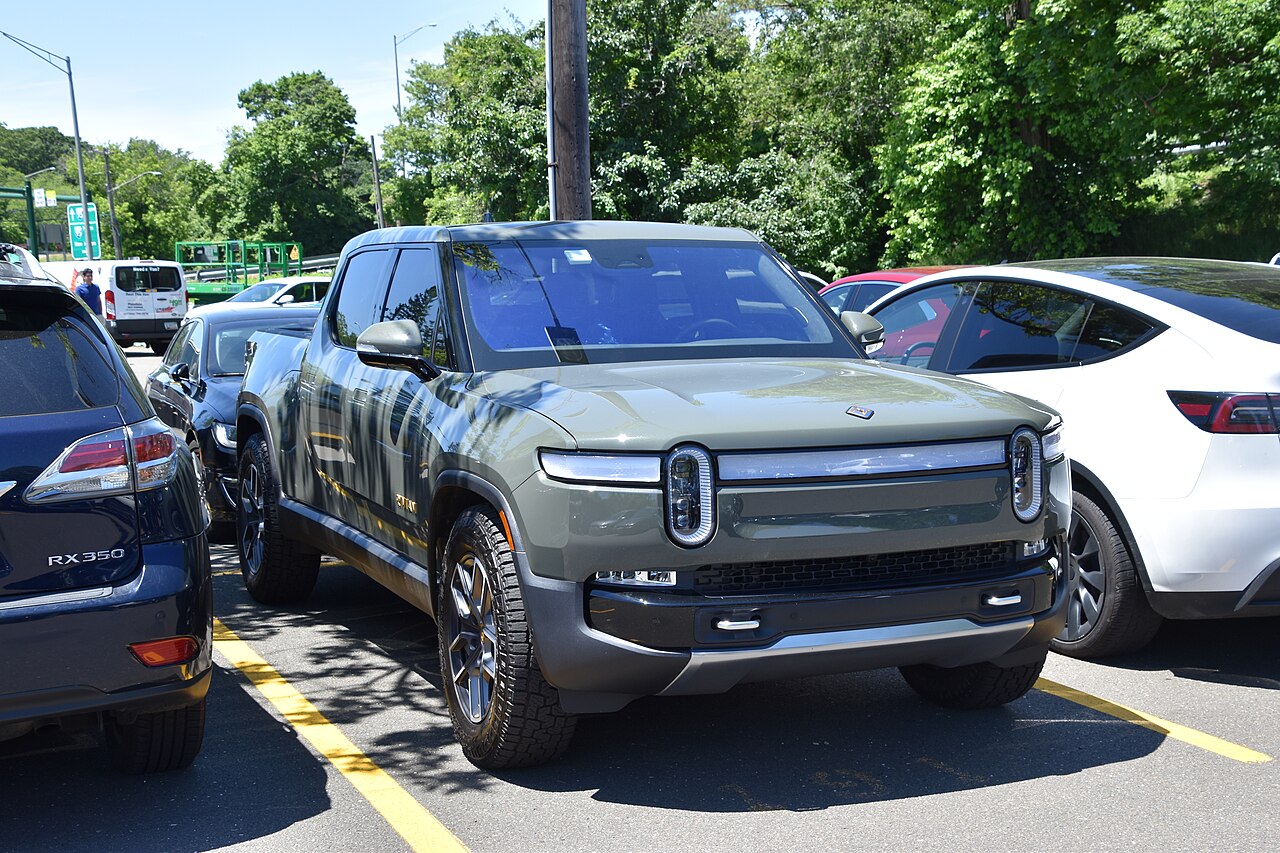
Archive photograph: 2022 Rivian R1T, June 5, 2022, Charles (usf1fan2). Illustrative model image, not the 2027 configuration. Commons resized rendition; no content alteration. Charles (usf1fan2) · CC BY 2.0.

The range figure attached to an electric pickup belongs to a configuration, not simply a model name. For a business considering a 2027 Rivian R1T, the wheel and tire description should sit beside the range estimate on the quote. That makes the proposal easier to check before anyone builds a working day around a headline maximum.
Read the equipment behind the number
Rivian's August 13 announcement lists an EPA-estimated 380 miles for the R1T Premium Long Range on 20-inch Adventure All-Season tires. Its up-to-420-mile figure uses 22-inch road tires. These are different configurations. TSN reviewed the existing announcement on October 24; this is a configuration check, not a launch announced today.
The lesson is narrower than declaring one package better. A tire choice may serve a particular assignment, while a different configuration supplies the headline estimate. Put the actual equipment and its applicable estimate on the same line. If those details are missing from a proposal, ask the seller to complete them before using the number in a comparison.
Create one record for the quoted pickup
Start with the model year, trim, battery description and wheel-and-tire package stated on the proposal. Ask which manufacturer document supports the estimate for that combination. Keep a dated copy of the quotation and the configuration confirmation together. A photograph of a similar pickup is useful for appearance, but it does not identify the equipment on a vehicle being offered.
This article's photograph is an archive R1T from 2022. It illustrates the pickup model and does not show the 2027 package under discussion. Apply the same distinction when comparing a seller's promotional image with an order sheet. An appealing photograph should not quietly become evidence that an option is included, or that the quoted vehicle carries a particular range rating.
Separate a rating from a work assignment
An EPA estimate gives the comparison a defined label. It is not a promise about completing your particular workday without charging. Rivian identifies tires, driving mode, weather, cabin heating or cooling and accessories among the influences on range. The release does not calculate the outcome for your load, route or operating schedule.
Write the proposed assignment in ordinary terms before discussing suitability. Where does the vehicle start? Which trips are fixed, and which are added during the day? When must it be available again? These questions describe your business requirement; they are not a technical operating recommendation for the pickup. Do not convert a brochure estimate into approval for work that has not been evaluated.
Keep charging assumptions out in the open
If the plan depends on charging at a business, ask who controls access and when it is available. If it depends on another location, identify what has actually been confirmed there. Record unanswered questions separately from arrangements already in place. The equipment announcement does not establish access to a particular charger, its availability on a given day or the time your vehicle would spend there.
For a hypothetical parts-support assignment, a manager might describe the morning trip, the afternoon call and the next day's required departure. That is enough to begin a practical discussion with the seller. It is not enough to predict usable miles or charging time. A useful proposal must connect the confirmed vehicle configuration with the actual assignment and clearly identify what still requires verification.
Compare equivalent proposals
Place the relevant configuration beside each competing estimate. If two proposals use different tires, describe the difference rather than erasing it from the table. If the business specifically wants one package, compare offers for that package. If it is still choosing between packages, keep both versions visible and ask for the applicable documentation for each.
A short comparison sheet can include the proposed vehicle, the stated equipment, the labeled estimate, the supporting document and the unresolved question. Avoid a column that simply says maximum range without identifying the configuration. That shortcut makes different offers look equivalent and leaves the person approving the purchase to reconstruct the missing details later.
Before accepting a configuration
- Match the estimate to the exact wheel-and-tire package.
- Keep the model year and quoted equipment in the same record.
- Describe the workday separately from the published rating.
- Identify confirmed charging arrangements and open questions.
- Ask for a revised proposal when the equipment changes.
The decision does not need a larger headline number. It needs a consistent record that the buyer, seller and person assigning the vehicle can all read the same way. Confirm the package first, preserve the qualification attached to the estimate and evaluate the work requirement on its own evidence.
Read more operator-focused Truck Savers News reporting.
Original source: Rivian, August 13, 2026.