Pro-Line Additive: Verify the Savings Claim
Pro-Line Engine Protection lists manufacturer claims. Check the exact product and supporting evidence before budgeting savings.
LIQUI MOLY's Pro-Line Engine Protection is an engine-oil additive, not a documented fuel-saving result for your fleet. The manufacturer's U.S. product page identifies it as P005388, with a one-liter U.S. variant numbered 22247, and describes a concentrated molybdenum-disulfide formulation. For an owner-operator reviewing the product, the useful decision is how to evaluate that specific proposal without turning a supplier's claim into an assumed reduction in operating costs.
Identify the product before comparing it
The page describes a product intended for engines with large oil volumes and heavy loads. LIQUI MOLY attributes friction and wear benefits to its formulation and says it can contribute to lower fuel consumption. Those statements belong to the manufacturer. TSN has not tested the additive, measured a fleet result or verified a savings percentage. The reviewed page does not supply a quantified fuel-saving result for a named truck and route.
Start by recording the exact name and variant on the proposal. Similar-looking products in a workshop range can have different purposes and instructions. A quotation for an oil additive should not be evaluated as though it were a fuel-system cleaner or an oil-change service. Ask the supplier to identify the relevant current product sheet, rather than relying on a shortened description copied from a general catalog.
A broad product statement is not an engine approval
The manufacturer describes use in four-stroke gasoline and diesel engines and states compatibility with catalytic converters and particulate filters. That is a description of the product's stated application. It does not establish that an individual engine manufacturer approves an additive for a particular unit, warranty or service program. Match the proposal with the current instructions for the actual equipment before deciding whether to use it.
This article does not prescribe a dose or an installation procedure. Ask the person responsible for maintenance to review the product documentation alongside the equipment's lubrication requirements. If the proposal leaves an application question unresolved, clarify it before the work is authorized. A product headline alone cannot settle a question about a specific engine or maintenance contract.
Separate a purchase cost from an expected benefit
A supplier's quoted price is an input you can document. A claimed future fuel saving is a different kind of information. Keep both visible on the evaluation sheet without treating them as equally established. Include the exact product quantity and any quoted service work in the proposed purchase cost, while identifying the evidence offered for the expected operating benefit.
For example, a proposal might describe a lower fuel bill without supplying a comparison period, mileage record or operating conditions. That is an illustration of an incomplete business case, not a report about this manufacturer's sales practices. Ask what supports the estimate and whether it relates to the equipment you operate. Do not calculate a payback period by inserting a percentage that nobody has measured or documented.
A before-and-after comparison needs context
If a fleet elects to evaluate a product within its approved maintenance program, preserve the records needed to interpret the comparison. Identify the vehicle, dates, mileage, fuel purchased and relevant work performed. Note changes in route, load or equipment condition that could affect consumption. These are editorial recordkeeping suggestions; they do not constitute an experimental protocol or a guarantee that a simple comparison proves causation.
A lower fuel bill can also reflect a lower purchase price or less work. Fewer gallons over a different distance do not establish the same result as fewer gallons over a comparable operation. Keep the units and operating period attached to each figure. When the conditions differ, describe the difference instead of attributing the entire change to the product introduced during that period.
Keep maintenance decisions visible
Do not let a product evaluation erase the ordinary maintenance record. Retain the work order, lubricant specification, service date and any relevant supplier advice with the vehicle file. Keep a purchase decision separate from a diagnosis of an existing complaint. If a truck has a current concern, the maintenance professional should assess it directly rather than assume that an additive addresses its cause.
Questions to resolve before approving the proposal
- Which exact product and variant are being quoted?
- What current equipment instructions govern the application?
- What is included in the purchase and service cost?
- Is the stated benefit a manufacturer claim or a measured result?
- Which records and conditions support a comparison?
- Who will review the outcome without assuming causation?
Pro-Line Engine Protection can be assessed as a specific maintenance proposal. The business case remains clearer when documented costs, manufacturer statements and results actually observed in the fleet stay in separate columns.
Explore more operator-focused reporting in Truck Savers News.
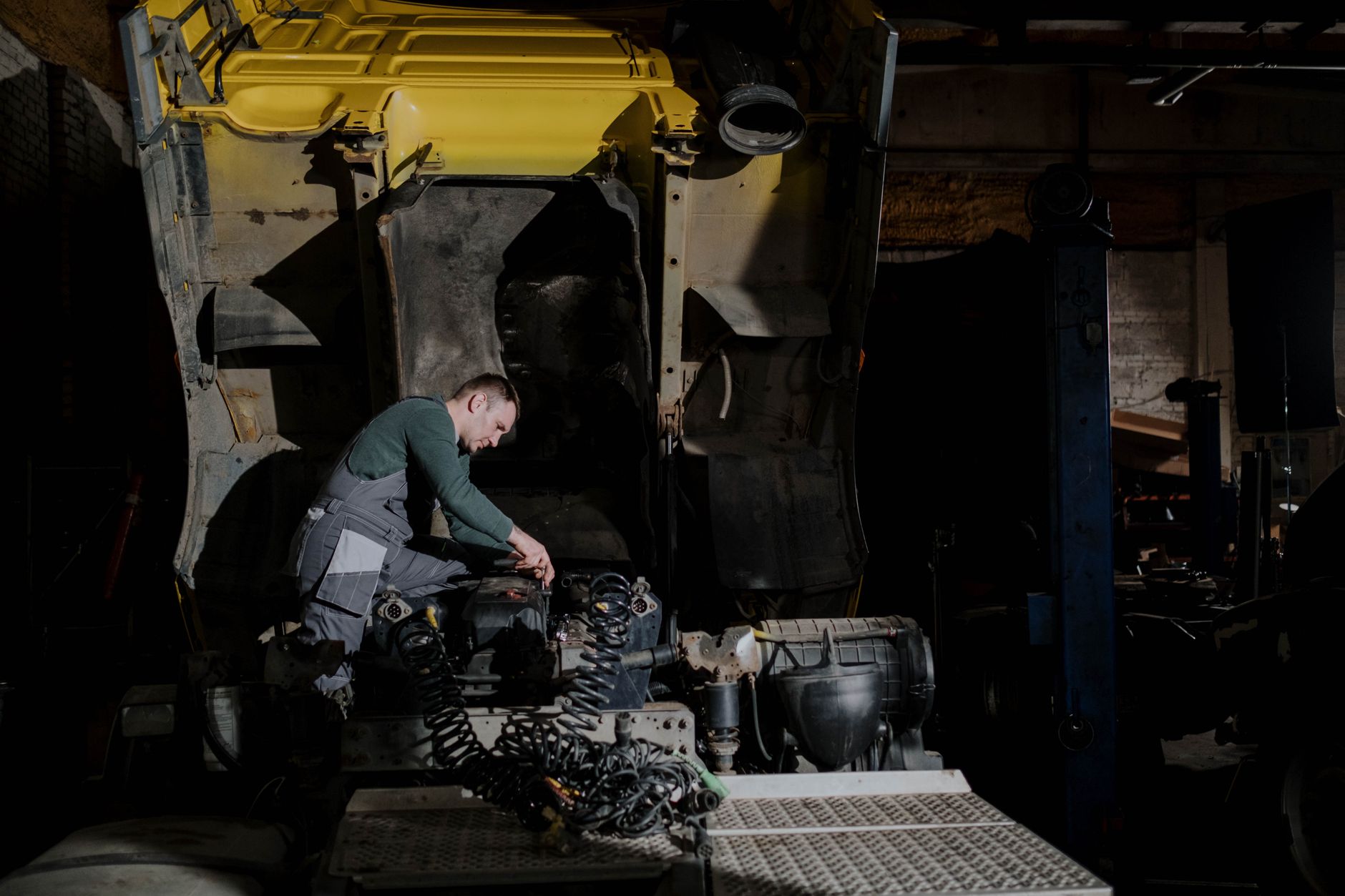
Illustrative trucking archive; not a survey participant, product application or test. cottonbro studio / Pexels; Pexels License.
Original source: LIQUI MOLY USA.