PRI 2026 Drops Membership, Keeps Trade-Only Access
PRI keeps professional access for its show. Check eligibility and badge pricing before planning the Indianapolis trip.
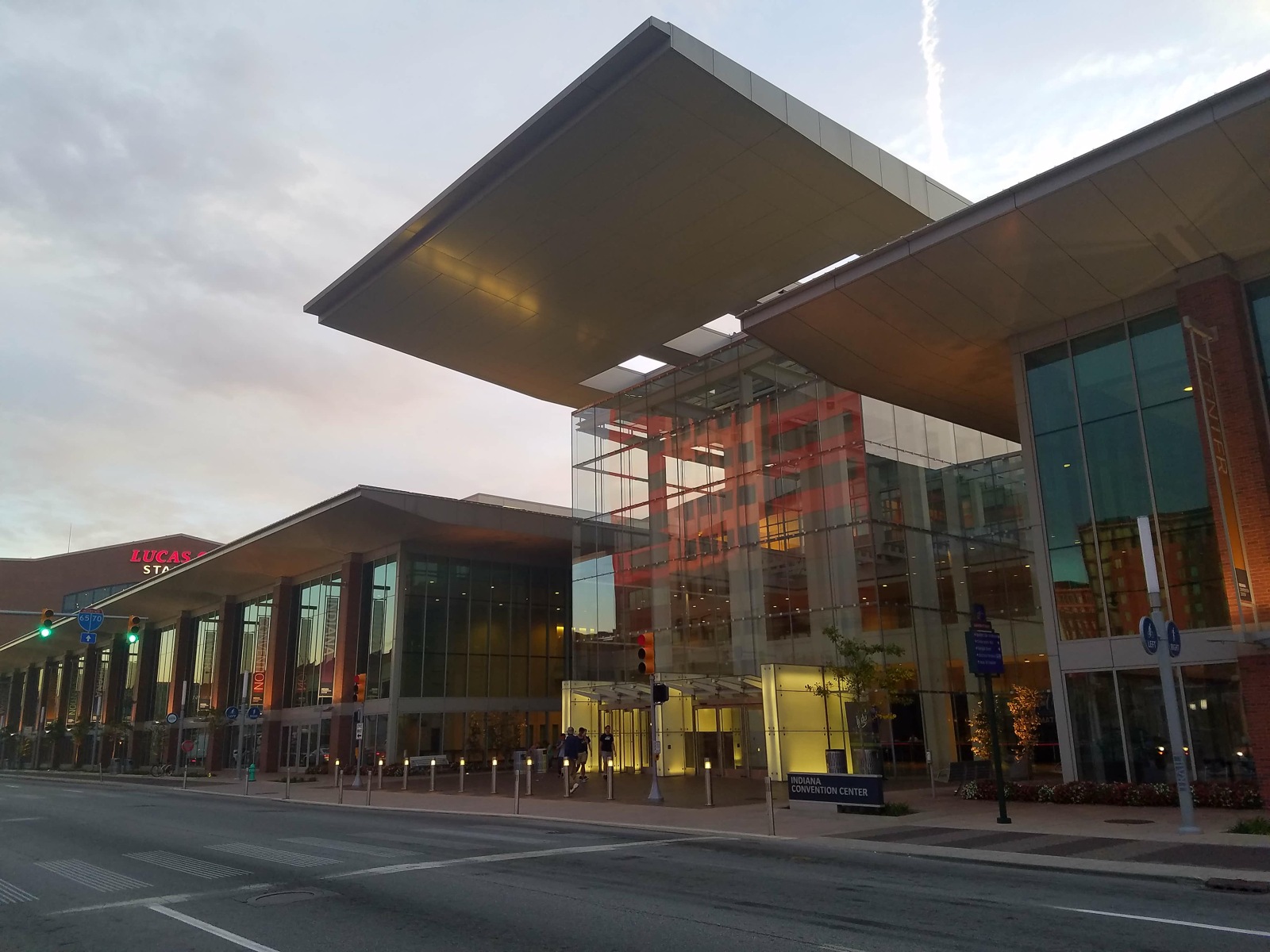
For a business that supports racing teams, PRI can be a place to compare equipment and meet suppliers. But its 2026 registration change needs to be read carefully: dropping the membership requirement does not turn the Indianapolis show into a public fan event. A transport or service operator should settle eligibility before treating the dates as a reason to book travel.
What changed in registration
The current PRI attendance page says qualified motorsports professionals can register directly without membership. Trade-only admission remains. As checked October 6, its badge schedule lists $55 for registrations from October 3 through December 9 and $65 during December 10–12. The earlier $45 period ended October 2. These are published attendee-badge prices, not a complete trip budget.
Do not infer eligibility from the fact that your company owns a truck or transports equipment. Describe your actual work to the organizer if you are unsure how it fits the professional requirement. A carrier serving racing customers and someone simply interested in race cars have different reasons for attending. This article does not establish that either individual will be approved.
Put the right hours in the itinerary
PRI lists December 10–12, 2026, at the Indiana Convention Center and Lucas Oil Stadium. Its schedule gives show hours of 9 a.m.–5 p.m. Thursday and Friday, and 9 a.m.–4 p.m. Saturday. Earlier access periods are reserved for exhibitors and media. Registration hours are listed separately, so an open registration desk is not evidence that the exhibition floor is open to every attendee.
When requesting meetings, confirm the location and access category with the exhibitor. Leave time for moving between appointments and for writing down what each supplier actually answered. A calendar filled with overlapping meetings produces a long contact list without necessarily resolving an equipment question. Recheck the organizer's timetable before departure because plans can change.
Make the business purpose specific
TSN suggests beginning with a short statement of what the visit must resolve. For a racing-support operation, that might be a documented equipment comparison, a maintenance-support discussion or a meeting with an existing supplier. Write the question before browsing the exhibitor list. The show is not proof that new transportation contracts will be available, and attendance does not guarantee a return.
Consider a company comparing transport equipment for race weekends. It can prepare the exact information its decision-maker needs: configuration, documented dimensions and weights, operating instructions and service arrangements. Asking each supplier the same questions makes the comparison useful after the event. An attractive display or a photograph alone cannot establish that equipment fits an existing truck or trailer.
Keep specifications separate from sales estimates
Request written specifications for the exact configuration discussed, along with the supplier's contact details. Keep quotations, delivery estimates and technical documents in separate fields. If an answer depends on an option or on a future confirmation, label it that way. That avoids passing an incomplete conversation to the rest of the business as an approved purchase.
A practical meeting sheet can contain the business question, supplier, equipment version, supporting document and unresolved item. Assign a person to follow up on each missing answer. The sheet is a planning suggestion, not an organizer requirement. Use an existing company process if it already captures these details; another form is unnecessary when the information is clear.
Budget the whole absence
The badge is only one line in a visit budget. List transportation, lodging, meals and the effect of time away from normal operations. Use your own actual prices rather than assuming a trade-show rate applies. Before paying for a room or changing a reservation, review the terms in the booking confirmation and resolve anything unclear with the provider.
Decide in advance what would make the trip worthwhile for your business. A useful outcome could be obtaining a missing specification or resolving an existing supplier question; it need not be an immediate purchase. After returning, compare the answers with the original purpose and separate confirmed information from items still awaiting a response.
Confirm access before committing
The order of decisions matters: verify professional eligibility, choose the necessary exhibition time and then commit to the travel plan. Keep the confirmation with the itinerary and share it with anyone attending on the company's behalf. The 2026 change simplifies one registration condition while preserving the event's professional focus. Planning around that distinction can prevent an avoidable mismatch between expectations and access.
Follow Truck Savers News for transport-related event planning.
Archive venue photo: Momoneymoproblemz, September 2016, Wikimedia Commons, CC BY-SA 4.0; resized under the same license. It does not show PRI 2026.

Original sources: PRI's attendance and badge page and 2026 show schedule.