Payroll Records: Match Wages, Deposits and Returns
Payroll records need more than a transfer receipt. Locate deposits, filed returns and supporting records for the same period.
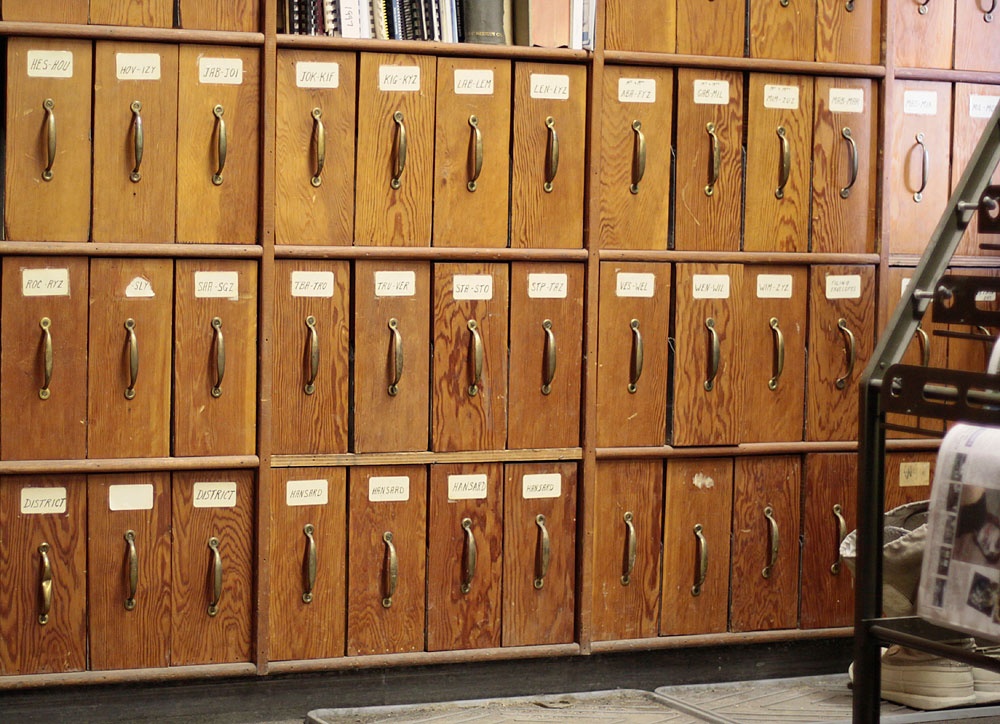
A payroll bank transfer is only one piece of an employer's tax records. For a small fleet with employees, a useful archive must also make the related wage information, tax deposits and filed returns retrievable. The practical problem is often not that a document never existed: it is that the person reviewing a quarter cannot find the matching record without searching several accounts and old email chains.
What the IRS checklist adds to the folder
The IRS employment-tax recordkeeping page identifies records including the employer identification number, wage-payment amounts and dates, employment dates, withholding certificates, tax-deposit details and acknowledgment numbers, filed returns and confirmation numbers, and supporting benefit or reimbursement records. Its list also includes employee identity information and documentation for applicable credits. These are different records serving different purposes; a transfer receipt alone does not stand in for the entire set.
This guide addresses an inventory of existing records, not a filing calculation or a record-disposal date. The official page also discusses retention and special credit documentation. Keep those questions separate and check the current requirements applicable to your business before deciding how long to retain a file. Nothing here determines worker classification, calculates a tax liability or promises that a particular archive is complete for an IRS review.
Start with a map, not a public upload
Make a private inventory that identifies a record category, the covered period, its storage location and the person responsible for retrieving it. The inventory can point to an existing payroll system, an accounting folder or a retained filing confirmation. It does not need to reproduce employee names, identification numbers or wage amounts in a second spreadsheet merely to show where the originals are held.
Use clear labels that describe the records your business actually has. A folder titled “taxes” is less useful than a location identified by employer, year, quarter and document category. Keep the original documents intact while organizing the references. If the only available copy is an attachment in an old message, record that location and arrange authorized storage through the person responsible for the archive.
Separate payment, deposit and filing evidence
For a hypothetical fleet reviewing one quarter, build three distinct lines in the inventory: wage-payment records, employment-tax deposit records and filed-return records. A document can support more than one task, but the inventory should not silently collapse the tasks into one label. Finding a payroll transfer answers a different retrieval question from finding a tax-deposit acknowledgment or a return's confirmation number.
Record the covered period shown on the document, rather than inferring it from the date somebody forwarded the attachment. If the period is unclear, mark that uncertainty for the responsible person to resolve. The organizer should not rename an uncertain file as if its contents had already been verified. A tidy folder can still contain the wrong quarter, employer or version.
Make missing items visible
Use a simple status for each category: located, awaiting retrieval or not yet confirmed. “Not yet confirmed” is different from “does not exist.” For example, a filing record might remain in the preparer's authorized system even though the fleet's office cannot immediately locate its copy. Assign the retrieval question to the right person instead of treating an unsuccessful search as proof that no return was filed.
Keep a short note describing exactly what is missing. “Need the acknowledgment for this deposit” gives the accountant a clearer task than “payroll incomplete.” If an amount, date or period conflicts across documents, preserve the originals and flag the discrepancy. This article does not authorize changing accounting entries, correcting a return or making a replacement payment to close a visual gap in a checklist.
Protect the information while reviewing it
Employee tax records can contain identity and payment information that has no place in a public post or a general operations group. For routine coordination, share the category and retrieval status with authorized colleagues rather than copying the sensitive contents into the conversation. Send the actual record through the business's approved process when the responsible reviewer needs it.
Consider a handoff between a dispatcher and the office. The dispatcher may need to know who handles a missing record, but that task does not require a list of employee identification numbers. Keep the operational question proportionate to the role. This is an editorial information-handling recommendation, not a claim that one particular storage tool satisfies every applicable requirement.
Test one retrieval before calling the archive organized
- Select a covered quarter and the correct employer.
- Locate the wage records for that period.
- Find deposit dates, amounts and available acknowledgments.
- Locate the filed return and its confirmation where applicable.
- Identify supporting categories relevant to the actual payroll.
- Assign every unresolved retrieval question to a responsible person.
Ask the responsible office to retrieve one item using the inventory alone. If it takes another round of guessing, improve the location reference before declaring the system ready. A successful sample retrieval does not certify the whole archive, but it shows whether the labels help the next person find the intended record. Keep unresolved questions visible and route tax judgments to the qualified professional handling your business.
Illustrative archive: filing cabinets, November 1, 2009; waferboard via Wikimedia Commons. No actual fleet payroll documents shown. Photo source; CC BY 2.0. Resized and JPEG re-encoded.

Read more fleet planning guides at Truck Savers News.