PACCAR Radar Recall: VIN Search Is Planned for January 10
PACCAR has a radar software recall. The amended filing plans VIN lookup for January 10, 2027; ask the dealer by campaign.
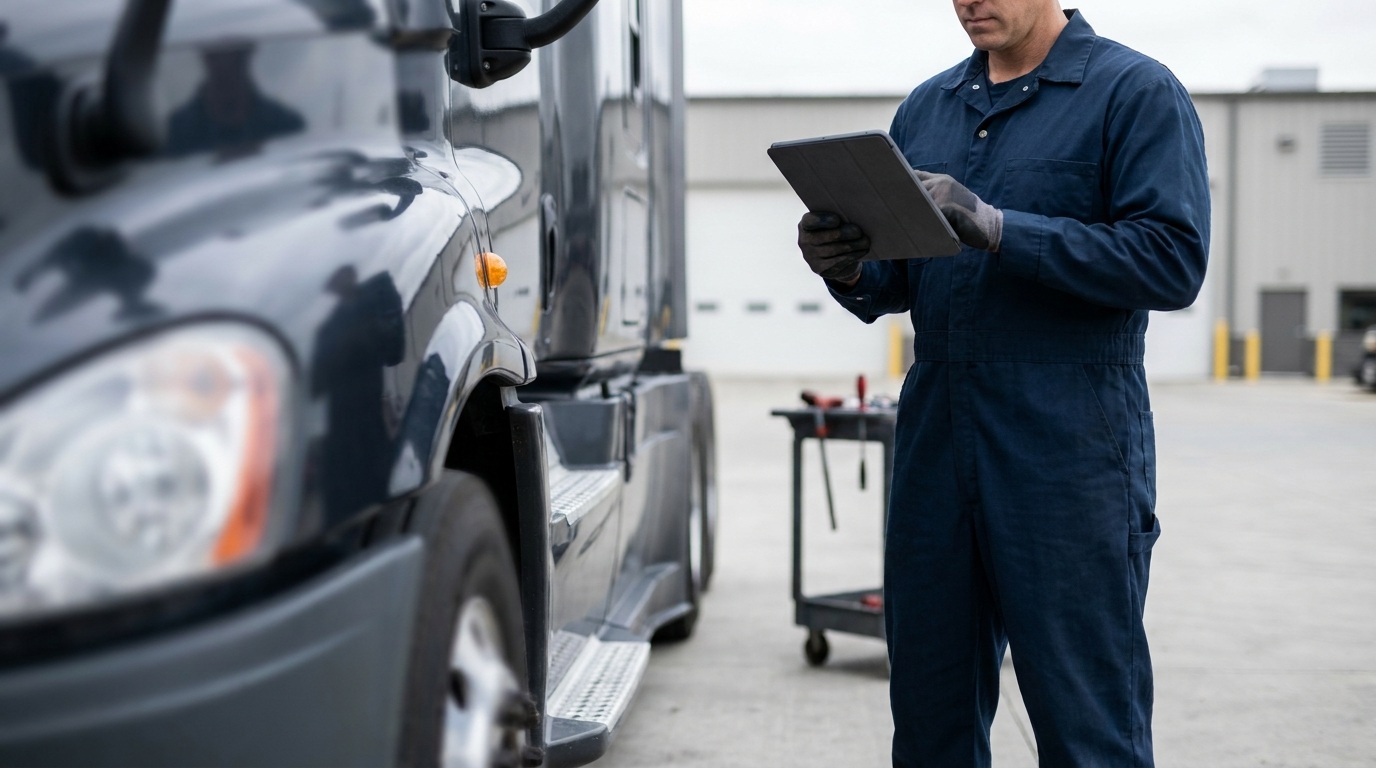
AI-generated editorial illustration; not a documentary photograph.
PACCAR's amended filing for recall 26V744 identifies 6,185 potentially involved 2027 Kenworth and Peterbilt vehicles with a forward-radar software issue. A detail matters when planning follow-up: the filing lists January 10, 2027, as the date VINs will become searchable. A search performed before that planned date should not be treated as proof that a particular truck is outside this campaign.
The manufacturer campaign number is 26PACL. Keep both identifiers in the service file and ask the appropriate dealer to reconcile the vehicle against the campaign. The model list is a screening aid, not confirmation that every vehicle bearing one of those badges needs the remedy. An owner needs a vehicle-specific answer and a documented next step.
Which models appear in the amended report
The filing covers certain model-year 2027 Kenworth T680, T880 and W990 vehicles and Peterbilt 567, 579 and 589 vehicles. The production ranges differ by model. Reading one broad date range from a headline cannot replace the matching vehicle information in the report or the manufacturer's campaign check.
The T680 entry lists 2,790 potentially involved tractors, while the Peterbilt 579 entry lists 2,708. Those two entries account for most of the total. Smaller entries remain part of the campaign; their size does not make an individual vehicle less important to verify. Record the model year from the vehicle documentation rather than assuming it matches the year the truck entered service.
The issue is in the radar's vehicle parameters
PACCAR describes a software data set that is not correctly written into radar memory. If the vehicle-specific parameters are not learned correctly, the radar can use a lateral-position value too far left of its actual position. The report says stationary or slow-moving objects in the adjacent left lane may then be treated as relevant objects, producing unintended braking.
This is a description of the campaign, not a diagnosis of every braking complaint. The report identifies no warning that necessarily appears. A clear dashboard alone therefore does not answer whether the campaign applies. Do not turn this article into instructions to disable assistance, adjust a sensor or load software independently.
What the manufacturer says will be changed
The remedy described in the amended report is a field software update to correct the radar memory issue. The filing says production software was updated October 19. That production milestone does not certify a truck already delivered to an owner as completed. The service record for the specific VIN must establish what work was actually performed.
NHTSA's acknowledgement describes the dealer software update as free of charge. Its owner-letter paragraph contains an inconsistent year, while the amended manufacturer's schedule lists January 10, 2027, for dealer notification, owner notification and VIN search availability. Use the amended schedule as a planned date, confirm current arrangements with the dealer and avoid promising that an appointment is already available.
Prepare the call around an identifiable vehicle
A small fleet can make the inquiry more useful by collecting information before contacting service. This is an administrative checklist, not a repair procedure or a finding that the vehicle is affected. Keep the inquiry within the manufacturer and dealer campaign process, especially while the public VIN search date remains in the future.
- Record the VIN, model, model year and the vehicle's current service contact.
- Identify both NHTSA 26V744 and manufacturer campaign 26PACL.
- Ask whether the dealer can confirm applicability and the current remedy process for that vehicle.
- Ask what information is needed before an appointment can be confirmed.
- Keep the response date, service reference and agreed follow-up in the vehicle file.
- After any work, retain the completion record rather than treating a booking as a completed update.
If applicability cannot yet be confirmed, record that uncertainty and the dealer's next step. Do not convert an unavailable search result into a negative result. Equally, do not mark an entire fleet affected solely because some units share a model name with the report.
Keep campaign work separate from general maintenance
A normal inspection, unrelated repair or software discussion does not automatically close this recall. When a truck is already visiting a workshop, ask who is responsible for checking the campaign and how any authorized work will be documented. This avoids a handoff in which each person assumes another party verified it.
For other equipment-service planning, Truck Saver Finder can help locate businesses. A directory listing does not establish authorization to perform this campaign or confirm remedy availability. Keep that confirmation with the manufacturer/dealer process, and leave the file open until the specific vehicle's outcome is documented.
Original source: PACCAR amended Part 573 report filed with NHTSA, campaign 26V744.