Own or Lease Your Truck? The Tax Math Can Change the Answer
For owner-operators, buying versus leasing a truck depends on more than the payment. Depreciation, Section 179 and cash flow can change the real cost.
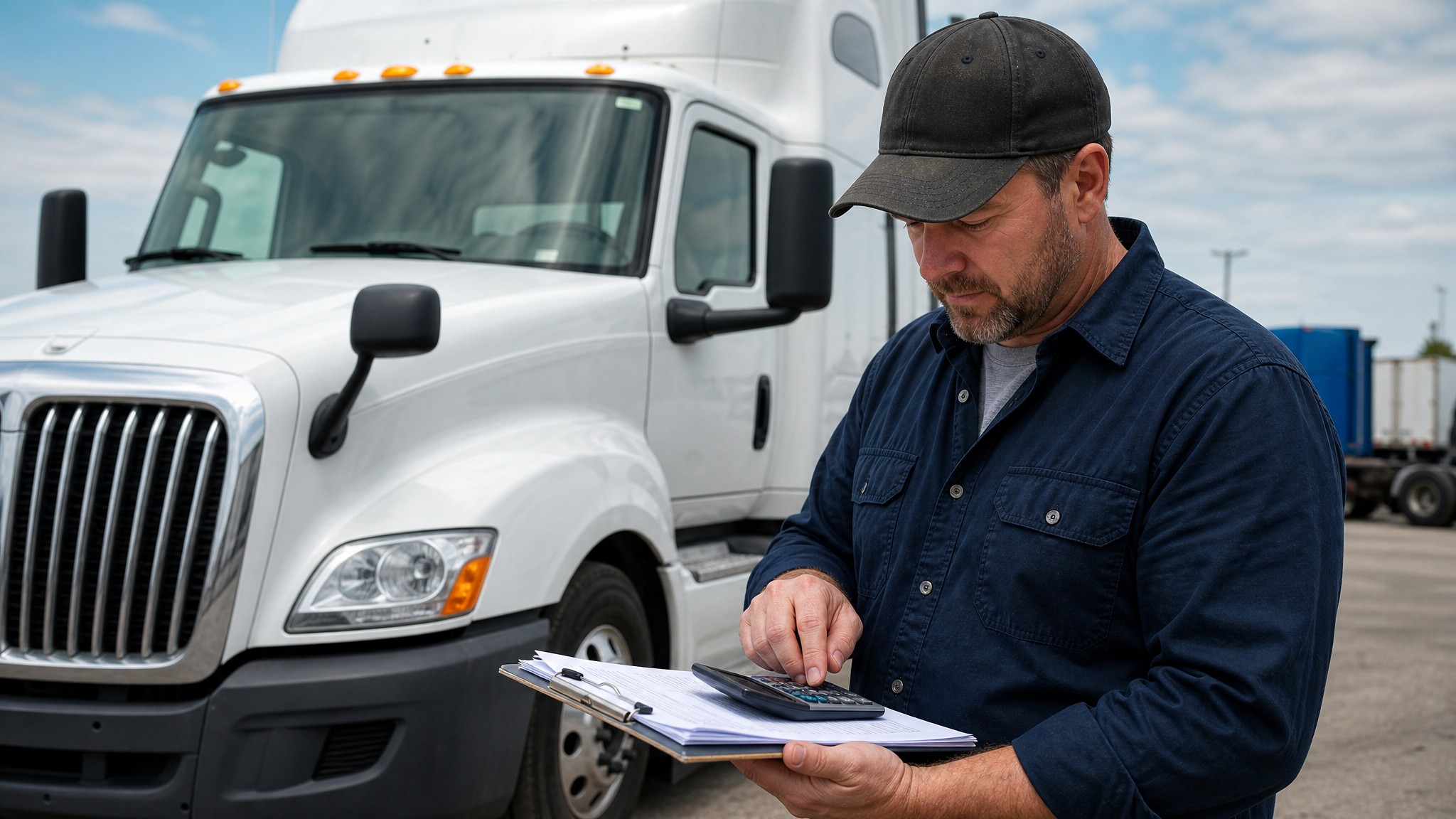
For owner-operators, the question of whether to own or lease a truck is not only about monthly payments. The tax treatment can change the real math.
A new FreightWaves analysis explains why depreciation, Section 179 and bonus depreciation matter when a trucking business buys equipment. A Class 8 tractor is a major asset, and the IRS generally treats it differently than everyday operating expenses like fuel, tires or repairs.
Under a basic depreciation approach, the cost of a truck can be spread over multiple years. But tax tools such as Section 179 may allow qualifying businesses to deduct much more of the purchase price in the year the truck is placed in service. FreightWaves notes that the 2026 Section 179 limit is $2.56 million, though actual eligibility depends on the business, taxable income and current tax rules.
That does not automatically mean every owner-operator should buy. Leasing may preserve cash, reduce upfront risk or fit a fleet’s operating strategy. Buying may create equity and tax advantages, but it can also increase debt, maintenance exposure and resale risk.
The practical takeaway is not to make the decision from a truck payment alone. Drivers and small fleets should compare cash flow, taxes, depreciation, maintenance, interest, residual value and business structure before signing.
This is also not a place for generic advice. Every carrier’s books are different. The smart move is to take the real numbers to a CPA who understands trucking, then decide whether owning or leasing protects the business better.
Resources for operators: Truck Savers for service, inspections and diesel maintenance support; and Go Green APU for idle-reduction, fuel-savings and APU information.