NTEA Summit: Prepare Chassis Questions
NTEA brings chassis specialists to Sandusky. Prepare a project brief for the October 13–14 technical gathering.
A work truck specification starts with the job, not the equipment brochure. For fleets considering a body installation, the approaching Commercial Vehicle Upfitting Summit offers a reason to organize the questions that remain unanswered before a chassis or equipment order. The useful preparation is a short project brief that an engineer can actually review.
The confirmed event and its scope
NTEA lists October 13–14, 2026, at Kalahari Resorts & Conventions in Sandusky, Ohio. The technical event connects upfitters and chassis specialists. Its program includes weight analysis, hydraulic fundamentals and OEM presentations. Activities use Eastern Time. Verify registration, current program and travel terms directly with the organizer before committing.
For a small fleet, the choice is whether a technical conversation serves an actual project. Attending without a defined question can produce an impressive folder and little usable information. A team preparing a service body, lift or other installation can instead bring the unresolved requirements that stand between its intended job and a complete specification.
Write the job description before the specification
Start a one-page brief with what the truck will carry, what equipment it will power and where it will work. Separate known information from estimates. Identify who supplied each equipment weight and which figures still need confirmation. An empty field is more useful than a precise-looking number borrowed from another vehicle.
Consider a hypothetical service-truck project. The team knows which tools it uses today but has not selected the storage body or auxiliary equipment. The brief should show those open choices rather than imply a finished design. Its first question is what additional information is needed to evaluate the proposed combination, not whether an unidentified truck can handle everything.
Keep the chassis identifier, configuration and relevant documents with the brief. A model family alone is an incomplete description of the unit being discussed. If the project is still a comparison between candidates, label each candidate separately. This article supplies no payload, axle-load calculation or approval for an installation; those decisions require the applicable engineering information.
Turn broad concerns into answerable questions
Instead of asking whether a body is “too heavy,” ask which completed-vehicle information the reviewer needs and who should verify it. Instead of asking whether accessories will “work with the truck,” identify the accessory and ask for the applicable integration documentation. The point is to make the missing input visible before someone answers a different question.
For an electrical or hydraulic question, describe the equipment’s intended job and provide its supplier documentation. Do not substitute a guessed load, connection method or operating requirement. Ask which requirements belong to the chassis supplier and which belong to the equipment installer. Assign a follow-up owner to each item so the conversation can continue after the event.
A useful question list can have three columns: the decision to make, the evidence still missing and the person expected to provide it. Add a fourth column for the answer received. Keep a distinction between a general explanation and guidance that explicitly applies to the project being reviewed.
Plan attendance around the project
Read the current program before arranging the visit. Select discussions that address the project’s open questions, and leave room to organize notes between them. The published time zone matters when sharing a calendar with colleagues in another state. Record the event’s local time rather than relying on an unlabeled message or an old calendar invitation.
Use the current registration page to resolve access and purchasing questions. An event announcement does not prove that a particular registration, hotel room or travel arrangement is available. Before paying, compare the applicable terms with the trip your team actually intends to take. This guide makes no booking or availability promise.
Bring the answer back into the purchasing process
After a technical discussion, record the document referenced, the project identifier and any qualifications attached to the answer. A presentation about a product family does not automatically approve a specific body installation. Keep unanswered questions open until the responsible supplier or professional provides the necessary evidence.
Before issuing an order, give the decision maker a brief showing what changed: a requirement confirmed, a document located, a supplier response still pending or an option that needs further review. This creates a usable handoff between operations, purchasing and the installer without claiming that conference attendance replaces engineering work.
- Define the truck’s intended job.
- Identify chassis and equipment candidates separately.
- Label estimates and missing supplier information.
- Prepare questions tied to actual purchasing decisions.
- Check the current program and registration terms.
- Record references and assign follow-up responsibilities.
The practical benefit is a clearer specification conversation. Take the unresolved project questions to the appropriate technical contacts, then carry their documented answers back into the purchasing file. A well-organized brief helps the fleet distinguish progress from an attractive presentation before it commits to equipment.
Continue exploring practical fleet guides at Truck Savers News.
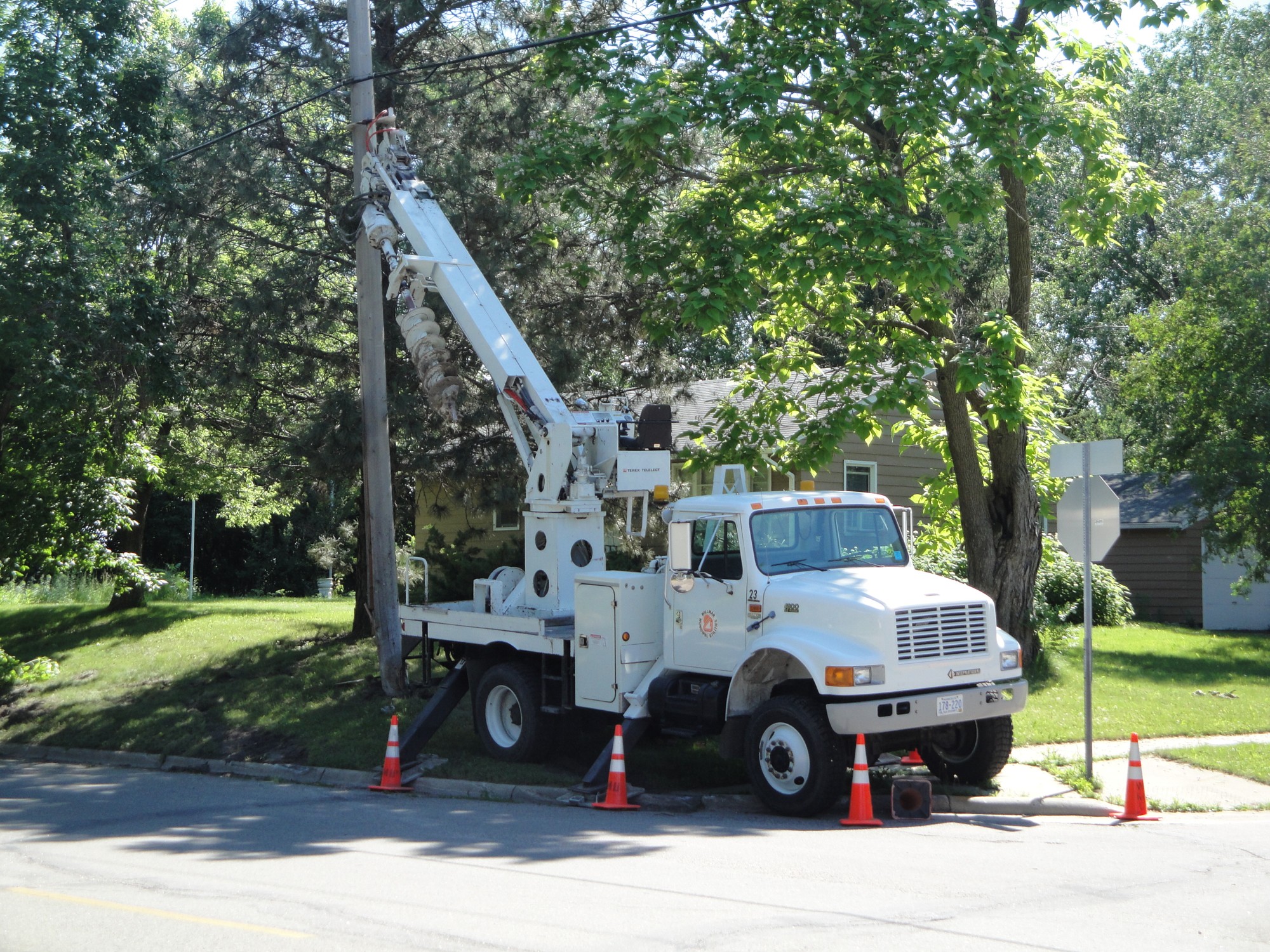
Illustrative archive photo: International utility truck, 2011; not this NTEA event. Greg Gjerdingen from Willmar, USA, CC BY 2.0. Resized and JPEG re-encoded.
