NHTSA: Check Up to 100 VINs for Open Recalls
NHTSA offers a lookup for up to 100 VINs at once. Keep each vehicle’s result separate from the repair record when reviewing your fleet.
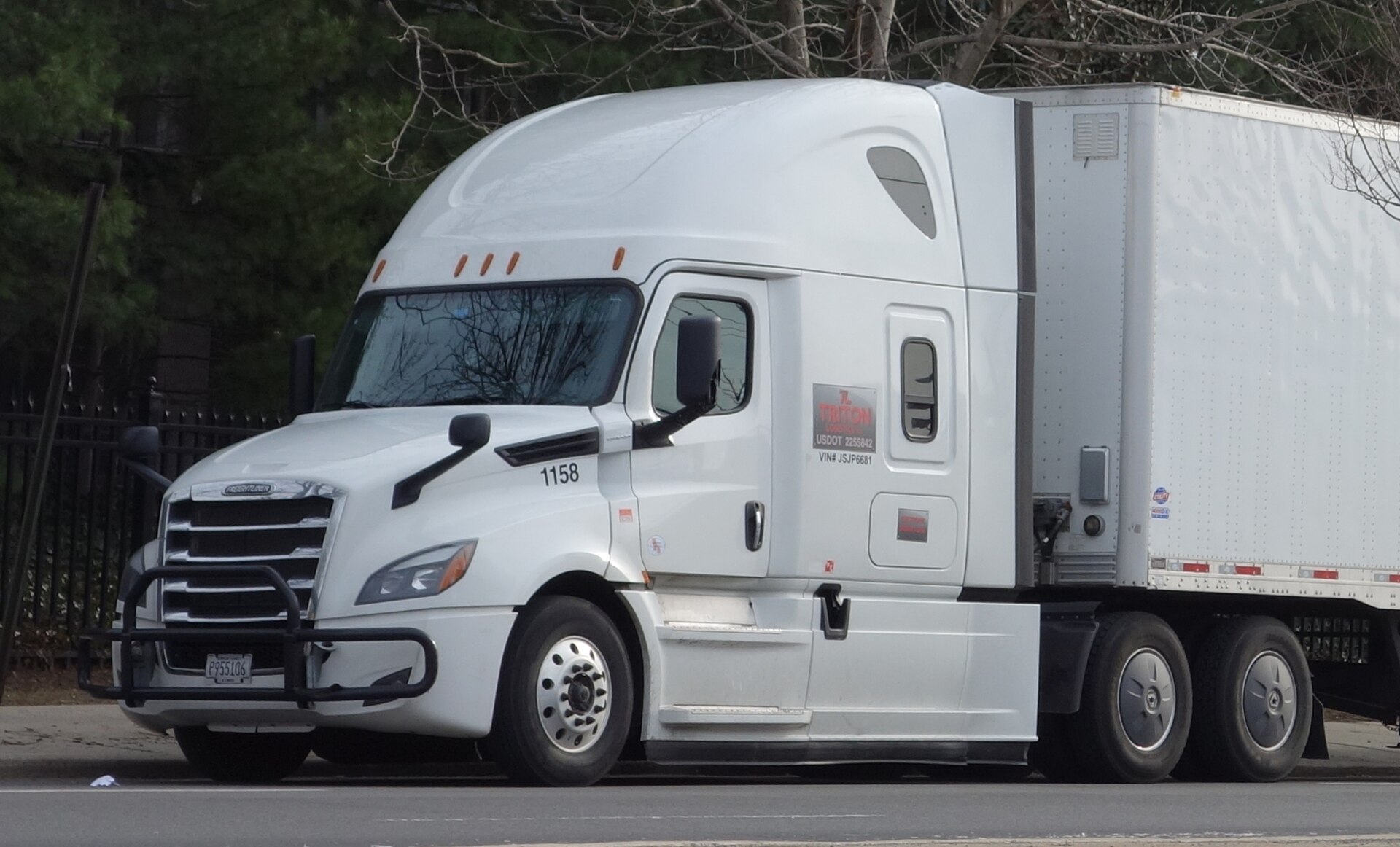
Illustrative archive: Freightliner Cascadia parked in Queens, April 1, 2018; Tdorante10 / Wikimedia Commons, CC BY-SA 4.0. No recall status is attributed to this vehicle or operator. Unmodified image. Photo record · CC BY-SA 4.0.

A batch search for the fleet list
NHTSA now offers a way to search up to 100 VINs at once for open safety recalls. Its November 5, 2026, prepared remarks for the Recalls Next meeting describe the bulk tool, and the agency’s recall page links to the same option. For a small fleet, the practical opportunity is reviewing multiple vehicle identifiers together while keeping the result tied to each unit.
Start with the right inventory
Before a review, prepare the VIN beside your own equipment number. Keep an entry for each vehicle instead of relying on a nickname, plate or a photograph from an older sale listing. Compare the identifiers with your actual records and correct a mismatch before treating the search as a fleet-wide answer. These are editorial recordkeeping suggestions, not a claim that a particular truck has a defect.
What an empty result leaves unanswered
NHTSA explains that VIN results cover unrepaired recalls from participating manufacturers. They do not show recalls already repaired, some newly announced campaigns whose VINs are still being identified, non-safety campaigns or international vehicles. Older recalls and some small manufacturers also have coverage limits. An empty search should therefore be read within the tool’s stated scope, rather than relabeled as a complete vehicle condition report.
Keep the search and the remedy in separate fields
A useful internal sheet can hold the unit identifier, date checked, returned campaign reference and next follow-up. Give an actual repair document its own field. A search, a service appointment and a completed remedy are different events. If a result needs clarification, take the VIN and campaign reference to the manufacturer or its authorized dealer rather than guessing from a model-year headline.
When arranging work, ask what is available for that exact unit and what documentation will identify completion. Do not turn a proposed appointment into a completed repair in the fleet record. Follow any campaign-specific interim instructions from the manufacturer; this article supplies no substitute repair procedure or clearance to operate.
The limit is capacity, not a compliance certificate
The announced capacity is up to 100 VINs in one search. It does not establish how many of your vehicles have open campaigns or confirm that every make and year in your inventory is covered. We have not submitted a fleet list, tested a particular VIN or measured time savings. No vehicle or business shown in the illustration is identified here as subject to a recall.
The next step
Open NHTSA’s recall page and review its “Other search options” and coverage notes before using the bulk lookup. Retain the date and the per-vehicle result in your own review. Return unresolved unit-specific questions to the manufacturer. The primary links below establish the announced feature and its published limitations; they do not replace your repair documentation.
Original sources: NHTSA lookup and coverage notes · November 5 prepared remarks