New Tires: Confirm the Registration Before Filing the Bill
New tires need a contact record for recall notices. Confirm the registration and keep the complete tire identifiers.
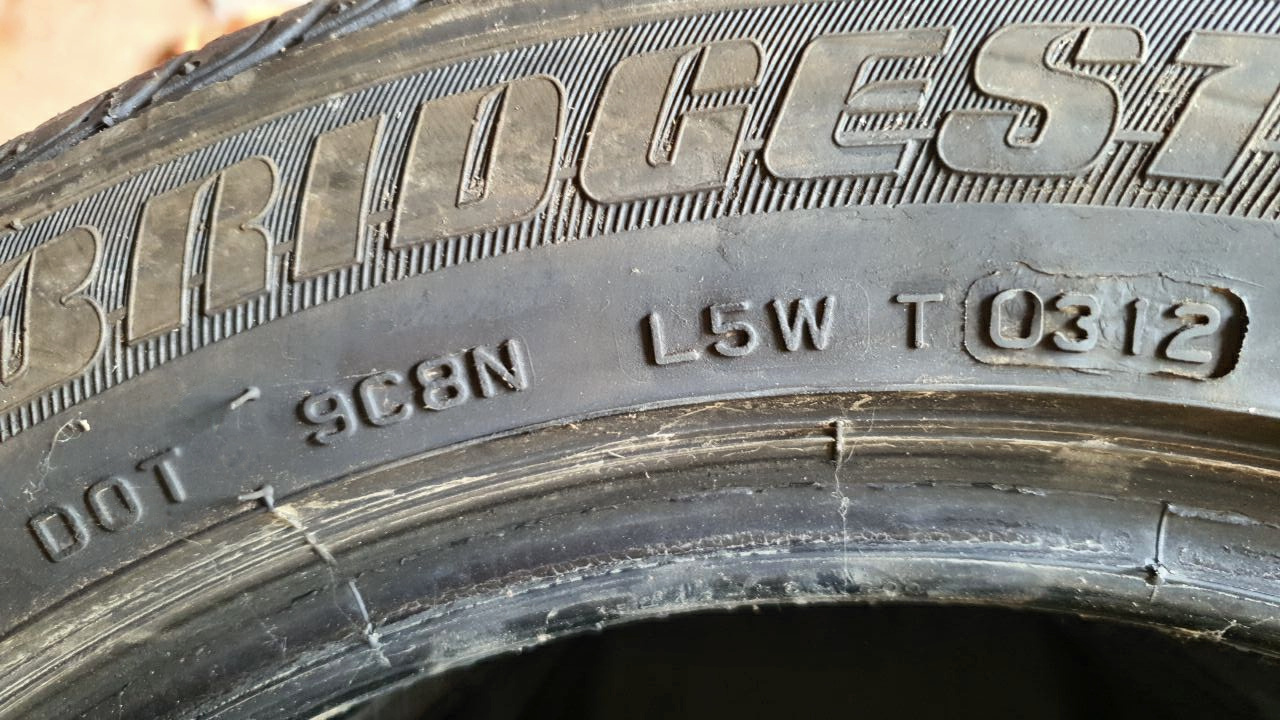
A tire purchase can leave the office with an invoice, a payment receipt and a work order, yet one question may remain unanswered: who registered the tires with the manufacturer? NHTSA’s tire-registration guidance connects that record to the manufacturer’s ability to contact the buyer about a recall. For an owner-operator or a small fleet, the practical task is to confirm the handoff while the purchase details are still easy to retrieve.
This is an evergreen purchasing checklist, not an announcement of a new recall. Registration does not establish that a tire is currently affected by a campaign, prove that it suits a particular application or replace its maintenance requirements. It creates a contact record associated with the purchase. The workflow below separates that task from filing a bill and from deciding whether a vehicle needs service.
Ask a specific question at the counter
Instead of assuming that the sale completed every administrative step, ask the seller whether the tires have been registered with the manufacturer. If the retailer did not handle registration, ask for the registration form or the manufacturer’s registration instructions. NHTSA recommends checking with the retailer and making sure the required tire information accompanies the registration. Keep any confirmation supplied through that process with the purchase record.
The distinction matters when different people buy, collect and install the tires. The driver may receive the paperwork while someone in the office maintains the equipment file. An internal note should say who will complete the registration and what evidence will close the task. A work order marked paid establishes a payment status; it does not answer the registration question by itself.
Keep the complete tire identification number
NHTSA’s guidance identifies the Tire Identification Number, or TIN, as information used for registration. It may be supplied on the registration form or purchase paperwork, and it is marked on the tire sidewall. Use the complete identifier requested by the manufacturer. Do not substitute a stock number, an invoice number or a shorthand description such as the brand and size.
As an office control, compare the identifiers on the purchase documents with those used for registration. If a character is unclear or the paperwork appears incomplete, resolve it with the seller before copying the uncertainty into another file. A photograph can support the record, but a blurred image is a prompt to clarify the information, not a reason to guess. This guide does not ask anyone to access an unsafe position to obtain a photograph.
Choose a contact that can receive the notice
Confirm which name and contact details are being entered in the manufacturer’s process. In a small operation, the purchaser, driver and person monitoring business correspondence may be different people. Decide who will review an incoming notice and where the purchase record will live. Use the manufacturer’s own process for any registration questions rather than assuming that a note in fleet software reaches the tire maker.
A useful local record can group the purchase date, seller, invoice, manufacturer, tire description, complete TINs and available registration confirmation. Those are suggested filing fields, not a claim that every manufacturer requires the same form. Keep personal contact information in the appropriate business record rather than posting a completed registration card or an unredacted invoice on social media.
Close the handoff with evidence
Consider a hypothetical purchase of four replacement tires. The office has one invoice and the driver says that the seller handled everything. The next step is simply to confirm what happened: did the seller submit the registration, or provide a form for the buyer to complete? Record the answer and retain the confirmation available. Do not manufacture a submission receipt when the only evidence is an unanswered request.
A fleet can use three internal states: confirmation retained, buyer action pending, or clarification requested from the seller. These are suggested workflow labels, not official registration statuses. They help the next person distinguish a finished task from an assumption. Keeping the question visible also makes it easier to follow up when paperwork arrives separately from the tires.
Keep a notice separate from a repair decision
If a notice later arrives, compare its identifiers and instructions with the actual purchase and equipment records. Direct questions about coverage and the required remedy to the manufacturer or authorized service contact named in the notice. The registration file helps locate the right information; it is not a technical diagnosis or an instruction to perform a particular repair.
The immediate purchasing action is modest: confirm who registered the tires, preserve the complete identifiers and retain the evidence that is actually available. That gives the next office or maintenance handoff a clear starting point. It does not promise that every notification will arrive or that a receipt alone resolves a manufacturer’s requirements.
Browse more practical trucking business guides.
Illustrative tire-sidewall archive photograph, September 2020; not a current recall notice or a commercial-tire specification. Richard Huber, CC BY-SA 4.0. Unmodified image.

Source: NHTSA tire registration guidance. Reviewed October 8, 2026.