New rail park aims to make Laredo more than a trucking gateway
A newly authorized 2.6-mile short line will connect a large Laredo industrial park to Union Pacific, adding truck-to-rail options without displacing the border gateway’s core trucking role.
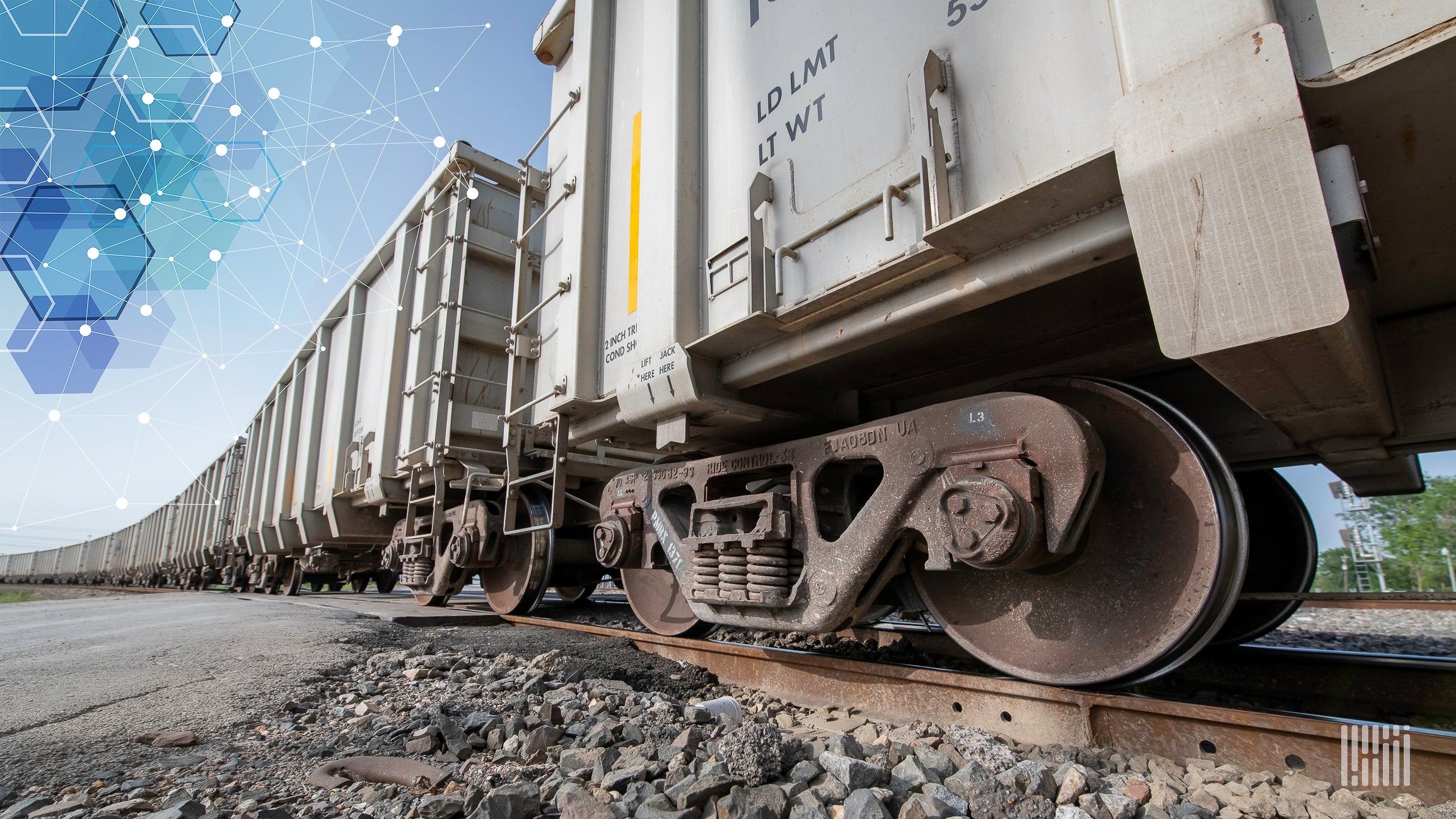
A newly authorized short-line railroad is intended to give Laredo shippers a local rail option while preserving the truck network that makes the city the leading U.S.-Mexico inland trade gateway. Kraus Development and Ironhorse Resources plan a 2.6-mile line inside Gateway International Rail Park, north of Laredo. Construction is expected to begin within three to six months of the authorization, with initial train service targeted about a year after work starts.
A direct Union Pacific connection
The Surface Transportation Board authorized construction and operation on June 17. The approximately 13,707-foot common-carrier line, named Laredo Gateway Industrial Railway, will connect the park directly with Union Pacific’s Laredo Subdivision. Ironhorse Resources will operate the railroad, while Kraus continues developing the surrounding property. The authorization followed about 15 months of regulatory and environmental review, turning a real-estate concept into a rail project with a defined operator and network interchange.
The railway is planned to serve roughly 1,900 rail-capable acres within the 3,314-acre Gateway Industrial Park near Interstate 35 and State Highway 255. The development is expected to offer more than 40 rail-served and non-rail-served sites for warehouses, manufacturing, finished-vehicle distribution, cross-docks and transloading. Target cargo includes vehicles, consumer products, aggregates, steel, paper, fuel and other bulk commodities. That mix matters because the economics and handling requirements differ sharply by commodity.
Complementing trucks rather than replacing them
Laredo’s World Trade and Colombia-Solidarity bridges process an estimated 14,000 to 18,000 commercial trucks per day. In April, the port handled $33.35 billion in trade, 21% more than a year earlier, and represented nearly 39% of U.S.-Mexico trade by value. Developers explicitly expect trucks to retain the dominant role. The park’s value proposition is to keep cross-border drayage, warehousing, transloading and long-haul rail within one local platform.
Initial rail capacity is projected above 12,000 cars per year. Developers estimate that a railcar can carry four to five times a standard 53-foot trailer, making that capacity equivalent to approximately 62,000 truckloads. The comparison describes carrying capacity, not a forecast that 62,000 existing truck moves will disappear. Many loads will still cross the border by truck, and the park itself will create drayage between bridges, plants, warehouses and rail tracks.
Resilience use case
Finished vehicles provide a concrete example. A manufacturer facing railcar shortages or disruption south of the border could truck vehicles through the Colombia-Solidarity Bridge and load them onto railcars in Laredo. The same design could support inbound materials or bulk cargo that arrive by rail and finish by truck. This optionality can reduce dependence on a single mode or loading point, but only if shippers prequalify facilities, equipment, routes and customs procedures before a disruption occurs.
What operators should prepare
Shippers should model the total landed cost lane by lane, including Mexican line-haul, bridge drayage, border wait, transload labor, railcar supply, demurrage, switching and final delivery. Compare that result with all-truck and through-rail options using realistic dwell assumptions. Commodity owners should begin discussions early about track layout, storage, hazmat rules, vehicle ramps, lifting capacity and inventory visibility; a generic warehouse site will not serve every proposed cargo class.
Motor carriers should view the project as a source of short-haul and specialized work, then assess appointment systems, chassis or trailer pools, driver hours and congestion around Interstate 35, Highway 255 and the Colombia route. Rail customers should negotiate service windows, interchange data, car ordering and disruption protocols with the short line and connecting carrier. Customs brokers must define where export, import and in-bond events occur when cargo changes mode.
The construction and service dates remain targets, so contracts should use milestones rather than assume capacity is available. Operators should request verified opening schedules, tariff and switching terms, site completion dates and contingency plans. Used selectively, the new line can broaden Laredo from a truck gateway into a multimodal transfer point; its success will depend less on headline acreage than on dependable interchange, disciplined terminal operations and fast truck turns.